Tilt And Turn Aluminum Windows: Technical Engineering, Global Procurement & Future Market Trends
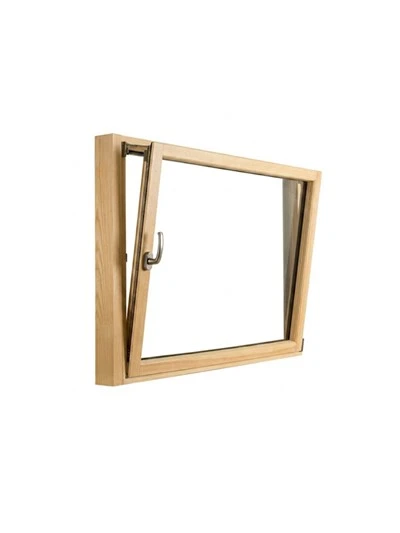
For modern commercial developers, architectural specifiers, and window distributors, selecting Tilt And Turn Aluminum Windows represents a decisive leap forward in building envelope efficiency, indoor environmental control, and structural longevity. Unlike traditional single-action casements or sliding units, European dual-action tilt and turn windows offer two distinct functional positions engineered into a single heavy-duty handle: tilting inward at the top for continuous, draft-free micro-ventilation, and swinging fully inward 90 degrees for maximal airflow and effortless glass maintenance.
Manufactured by Crestor Door Manufacturing Co., Ltd. since 1997, our high-precision thermal break tilt and turn systems combine multi-cavity PA66 polyamide insulating bridges, seamless laser cold-welded corner joints, and multi-point perimeter locking hardware. Whether you are specifying low-energy residential villas in Australia, multi-family housing in Europe, or high-wind commercial facades in North America, this guide delivers actionable technical insights, verified performance benchmarks, and forward-looking procurement intelligence to optimize your fenestration supply chain.
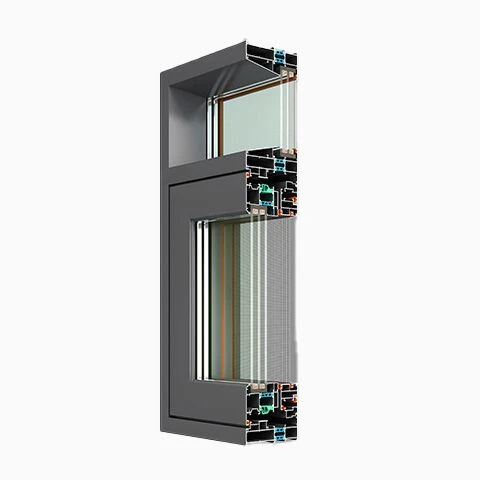
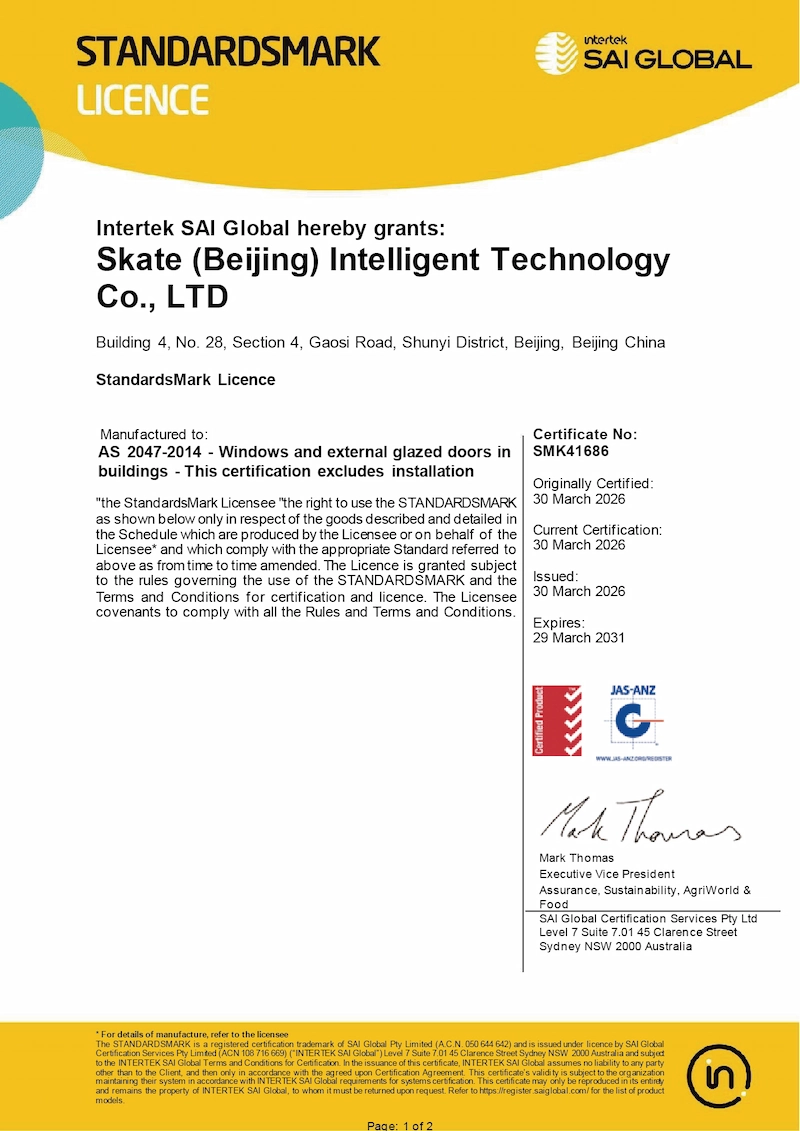
Our flagship AS 2047 certified 76M series features extra-thick profile wall construction, multi-cavity PA66 insulation, and heavy sash capacity for large architectural glass spans.
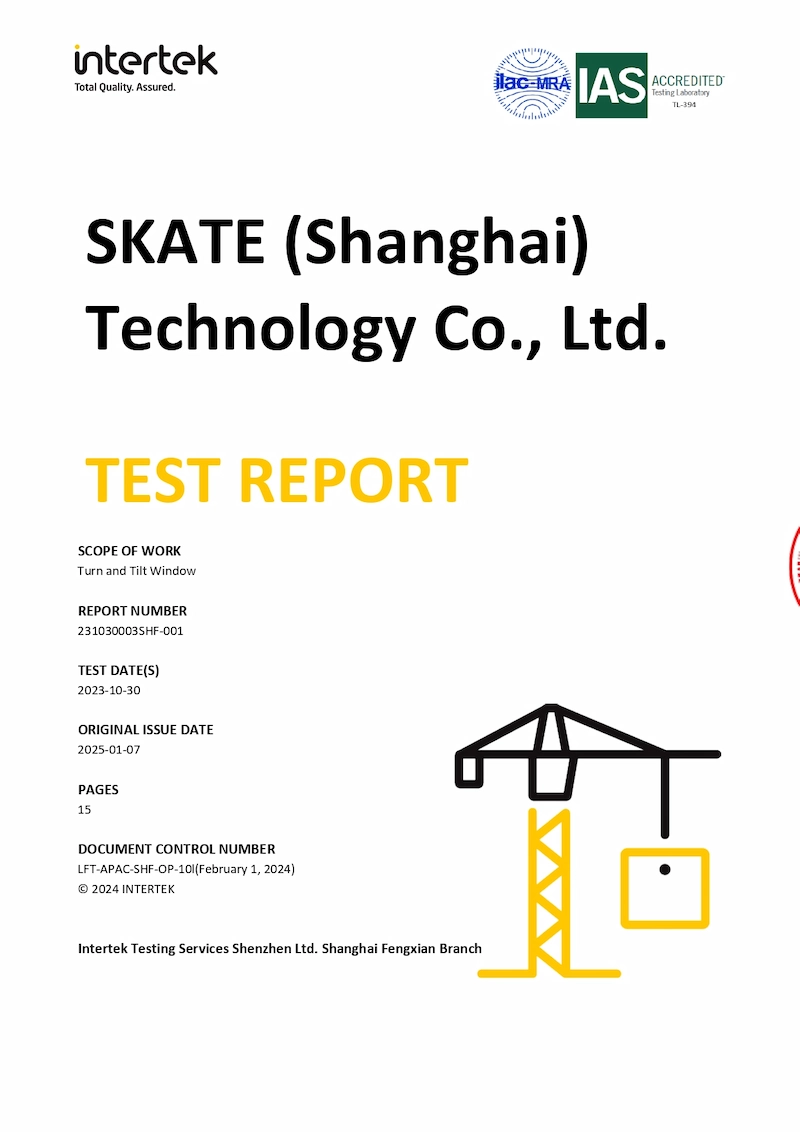
Comprehensive performance parameters evaluated at China National Window Test Centers under GB/T 31433 and benchmarked against international ASTM, EN, and AS 2047 criteria.
Crestor tilt and turn aluminum window technical performance data
Performance Property
Tested Rating / Metric
Standard Grade
Engineering Impact & B2B Application Value
Wind Load Resistance
5.0 kPa (5000 Pa)
Grade 9 (Top Class)
Prevents sash deflection and structural failure in ultra-high-rise residential towers and exposed coastal architectural developments.
Water Tightness
700 Pa
Grade 6 (Top Class)
Eliminates water ingress under severe tropical storm and hurricane-force driving rain conditions, protecting internal wall finishes.
Air Permeability / Tightness
q1 ≤ 0.5 m³/(m·h)
Grade 8 (Top Class)
Provides an airtight building envelope seal, preventing energy loss, HVAC leakage, and draft discomfort.
Thermal Insulation (Uw)
U ≤ 0.8 – 1.2 W/m²K
Grade 10 (Passive Level)
Utilizes 24mm–34mm PA66 polyamide thermal breaks and triple Low-E insulated glass units to meet strict carbon-reduction codes.
Acoustic Sound Insulation
Rw = 42 – 44 dB
Acoustic Class A
Dampens urban noise pollution, high-frequency highway traffic, and flight corridor noise for luxury hotels and residential projects.
Mechanical Operation Durability
> 50,000 Cycles
Heavy Commercial Grade
Multi-point gear drives and corner transmissions tested for long-term operational smooth performance without hardware sagging.
Engineering Note: Data represents official laboratory test configurations. Custom profile wall thickness (1.6mm–2.0mm), glass makeup (e.g., 6mm+12Ar+6mm Low-E), and hardware selection can be adjusted to meet localized structural engineering calculations. Full original test reports are provided upon request via [email protected].
Enterprise Advantages
Why Crestor is the Trusted B2B Manufacturing Partner
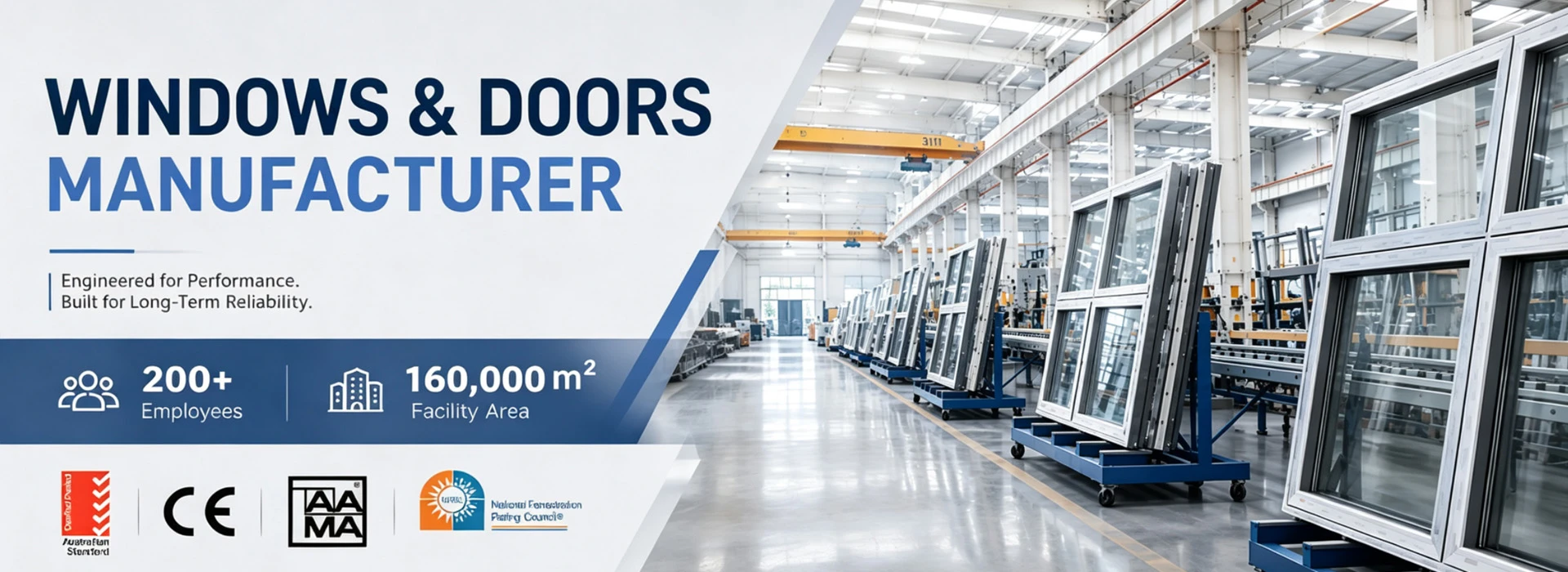
Founded in 1997 as a specialized aluminum processor, Crestor Door Manufacturing Co., Ltd. has expanded into an integrated global manufacturer of high-end thermal break windows and doors. Spanning a 100,000 m² smart manufacturing base in Dongying, Shandong, and supported by a dedicated R&D center in Beijing, Crestor bridges high-capacity factory output with European-level engineering precision.
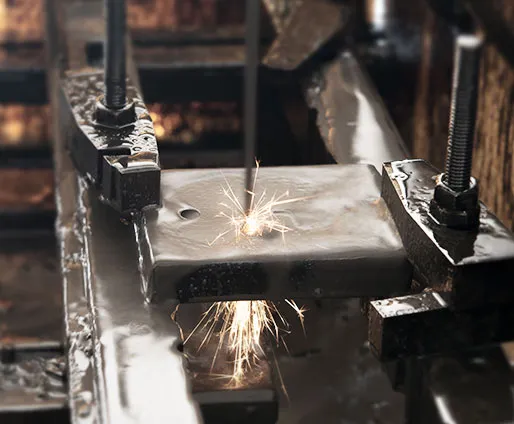
Unlike assembly operations that outsource critical processes, Crestor maintains total in-house control over the entire production cycle: precision profile machining, surface powder coating/PVDF treatment, insulating glass unit (IGU) fabrication, automated corner jointing, and final sash alignment. This vertically integrated manufacturing model eliminates third-party quality discrepancies and guarantees strict compliance with client specifications.
Laser Cold-Welding Corner Technology for seamless structural joint strength
Automated In-House IGU Lines producing double/triple glazed Low-E units
219+ Granted Patents in window thermal break and seal designs
Digital ERP Order Tracking from architectural CAD shop drawings to container packing
Discover how Crestor mitigates risk and optimizes profitability for global window importers, project contractors, and brand owners.
In-House Complete Production
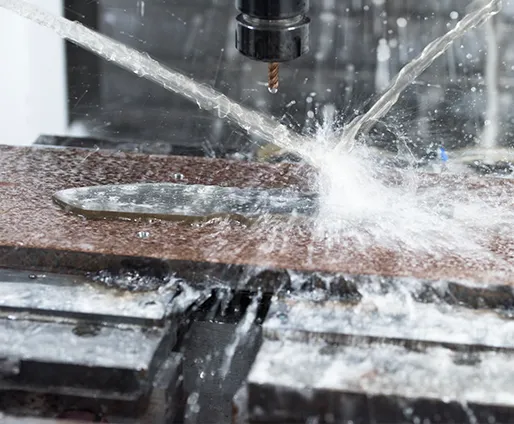
From aluminum alloy extrusion cutting to surface anodizing, powder coating, PA66 thermal strip insertion, glass tempering, and assembly, everything occurs inside our 100,000 m² facility. No subcontracting, complete quality control.
4In-House Process Units
100%Single-Source Accountability
Comprehensive Engineering
Our 200+ technical experts transform structural blueprints and schedule BOQs into detailed CAD/BIM shop drawings. Profile wall thickness, wind load calculations, and hardware thermal compatibility are verified prior to production.
100%Drawing Sign-Off
200+R&D Technicians
Certified Lab Testing
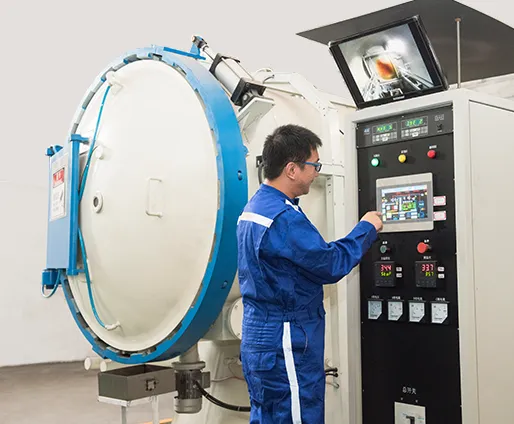
Every tilt and turn profile model undergoes extreme pressure testing for water tightness, air infiltration, structural wind load, and hardware cycle fatigue at national accredited test centers before mass production authorization.
5.0 kPaWind Load Rating
700 PaWater Ingress Limit
Global Export Compliance
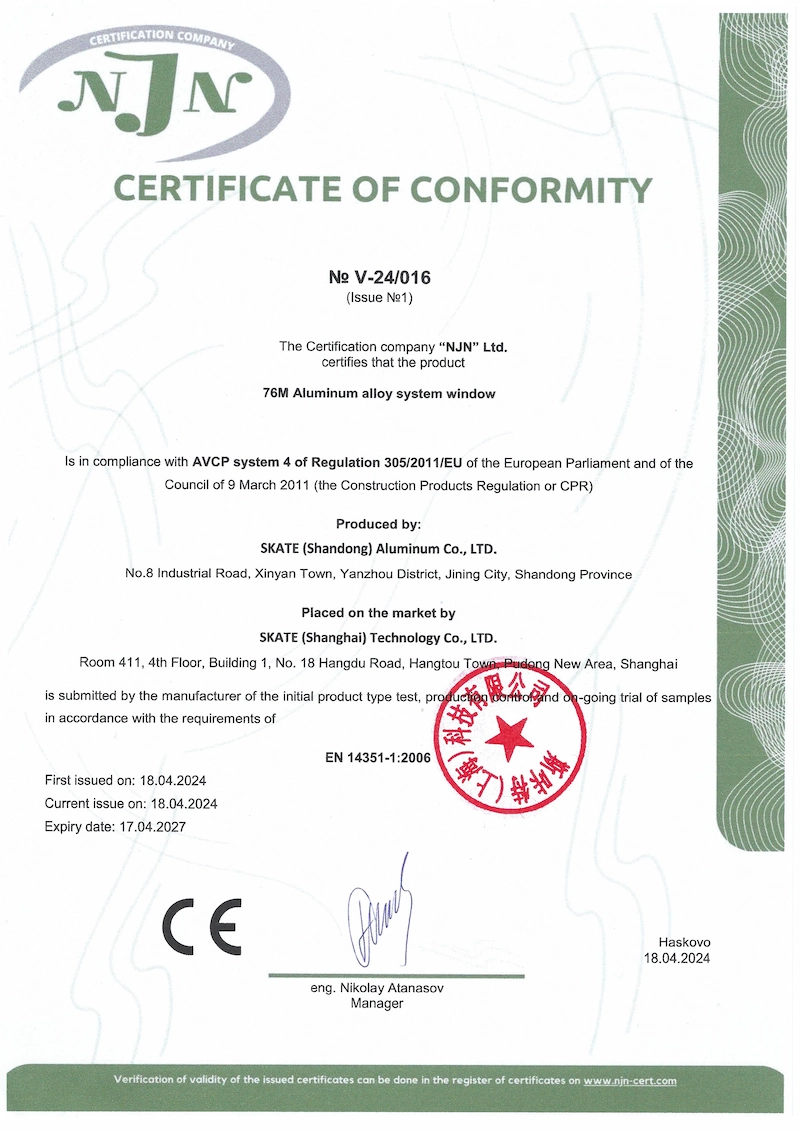
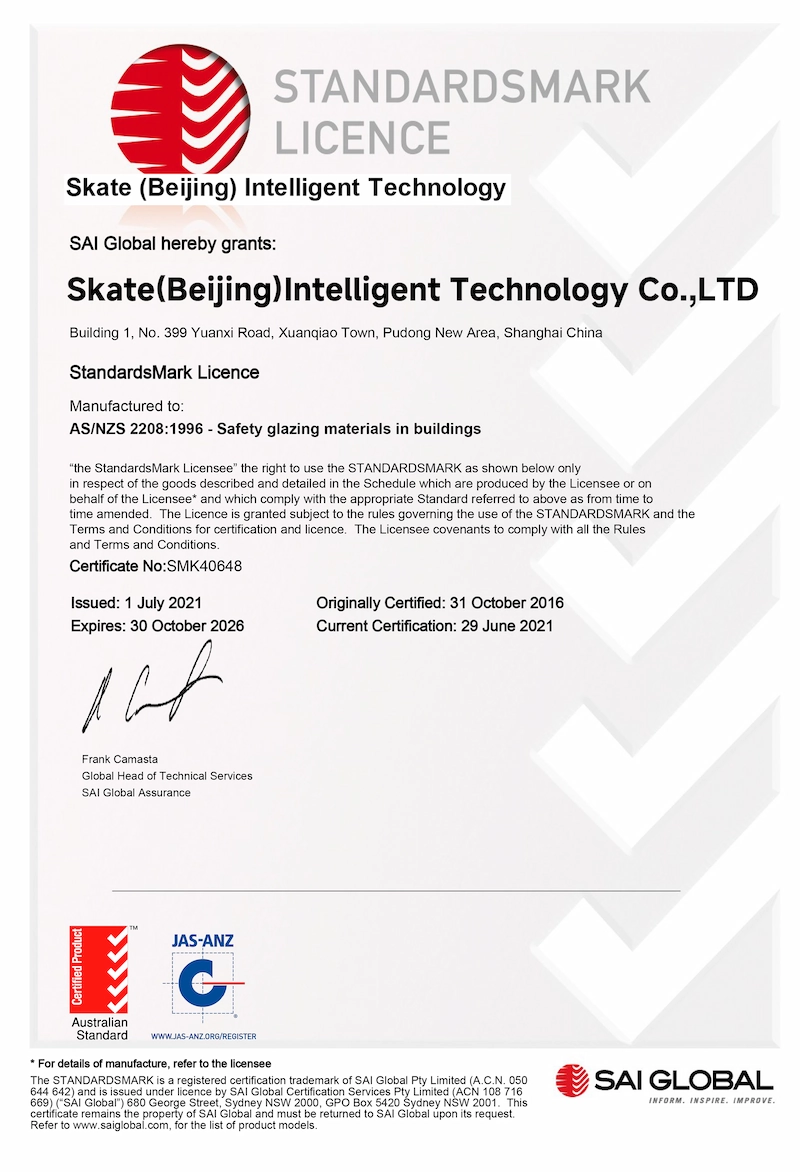
Holding AS 2047 StandardsMark™ Licence (SMK41686), ISO 9001:2015 accreditation, and CE conformity, Crestor systems meet technical requirements across North America, Europe, Australia, and the Middle East.
AS 2047Australia Compliant
ISO 9001Certified Standard
CNC Precision Machining
Automated 5-axis CNC machining centers perform lock-hole routing, corner miter cutting, and drainage channel punching to tolerances within ±0.05 mm, guaranteeing flawless corner alignment and effortless hardware operation.
±0.05 mmCNC Precision
3-LevelEPDM Seal Line
OEM/ODM Private Labeling
We supply custom profile extrusions, customized hardware branding, protective film branding, and specific export packaging for established window distributors, building material brands, and large real estate developers.
CustomBrand Packaging
FlexibleMOQ Schedules
Strategic Market Insights
Future Procurement & Product Development Trends
As global energy codes tighten and building intelligence evolves, global buyers must anticipate key technology shifts in the tilt and turn aluminum window sector.
01
Future B2B Procurement Trends
1. Mandatory Carbon Footprint Transparency: Sourcing directors are prioritizing vendors providing environmental product declarations (EPDs) and using low-carbon recycled aluminum billets (such as 6063-T5/T6 alloy) to comply with green building programs like LEED, BREEAM, and Green Star.
2. High-Performance Glass Standardizations: Procurement schedules are shifting rapidly from basic double glazing toward triple Low-E insulated glass units (IGUs) filled with 90%+ Argon gas and featuring warm-edge composite spacer bars to achieve total U-factors below 1.0 W/m²K.
3. Prefabricated Unitized Window Modules: To combat rising site labor costs, developers are requesting factory-assembled tilt and turn units integrated with pre-installed sub-frames, flashings, and motorized exterior louvers ready for direct rough-opening installation.
02
Future Product Development Trends
1. Concealed Heavy-Duty Hinge Technology: Architectural aesthetics demand ultra-clean internal sightlines. Next-generation tilt and turn hardware hides all visible hinge components within the frame rebate while supporting heavy triple-glazed sashes up to 180 kg.
2. Ultra-Narrow Frame Profiles with Structural Glass Bonding: By bonding the glass unit directly to the aluminum sash profile using structural silicone adhesive, profile sightlines are minimized while expanding daylight area by up to 15% without sacrificing torsional stiffness.
3. Smart BMS Integration & Micro-Ventilation Actuation: Intelligent tilt and turn systems are incorporating hidden electric chain drives linked to air quality (CO₂) sensors and smart home systems, automatically tilting sashes to refresh indoor air and sealing tight upon detecting rain.
Precision Engineering
Anatomy of a Premium Tilt And Turn Window System
Every individual component is engineered and rigorously matched to guarantee flawless dual-action operation and superior environmental sealing.
PA66 Thermal Strips
Reinforced polyamide 66 insulating strips physically separate inner and outer aluminum frames to stop conductive heat transfer.
6063-T5/T6 Aluminum
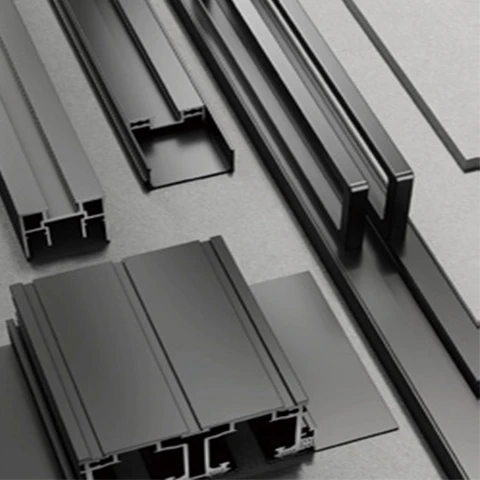
High-tensile virgin aluminum extrusions featuring 1.6mm to 2.0mm wall thickness for structural rigidity under wind pressure.
Low-E Insulated IGU
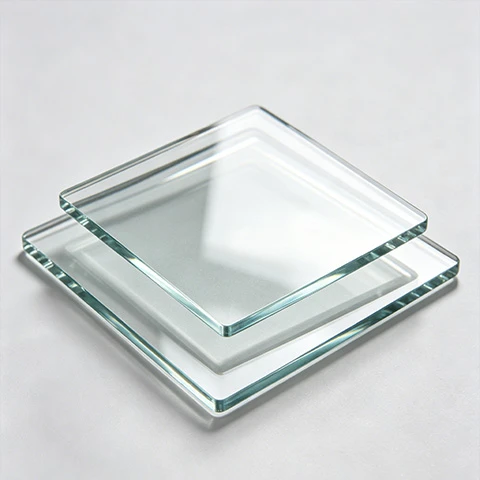
Double or triple tempered glass with Low-E soft coatings, argon gas fill, and warm-edge spacers for thermal retention.
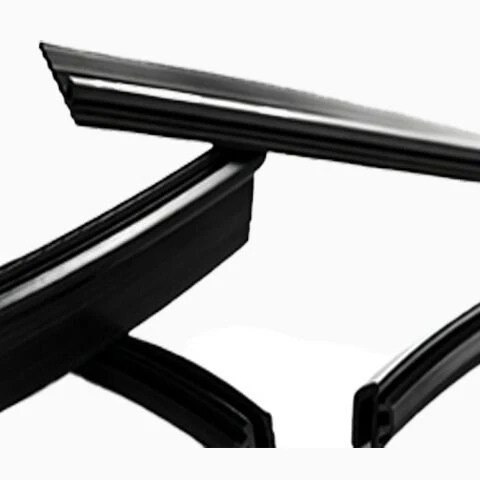
Triple EPDM Gaskets
Continuous synthetic EPDM weatherstripping creates three distinct sealing barriers against wind, moisture, and noise.
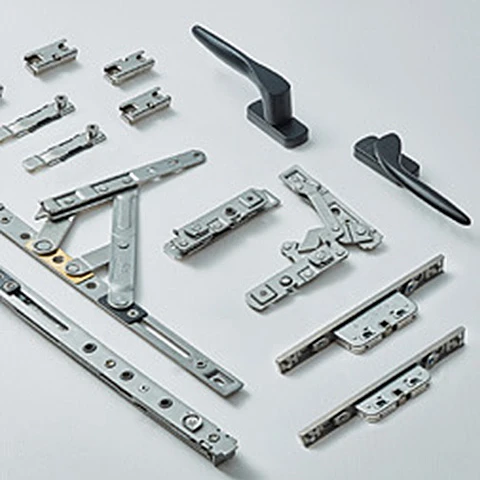
Multi-Point Gear Locking
Heavy-duty European hardware drives mushroom cam locks around the perimeter frame for anti-burglary security.
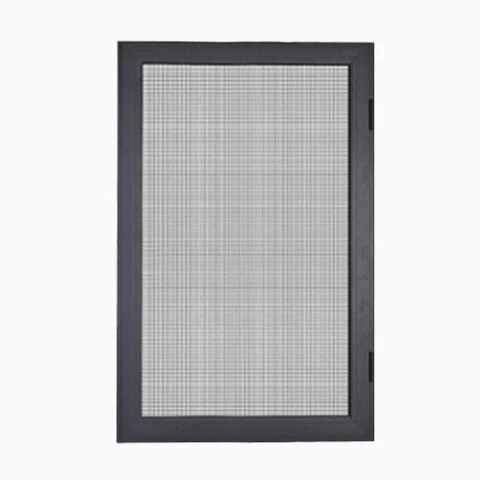
Security Flyscreens
Optional integrated high-clarity 304 stainless steel mesh or retractable screens engineered specifically for inward-opening sashes.
Project Application Portfolio
Tilt And Turn Window Solutions by Building Sector
Tailored fenestration engineering matching structural requirements across residential, commercial, and institutional developments.
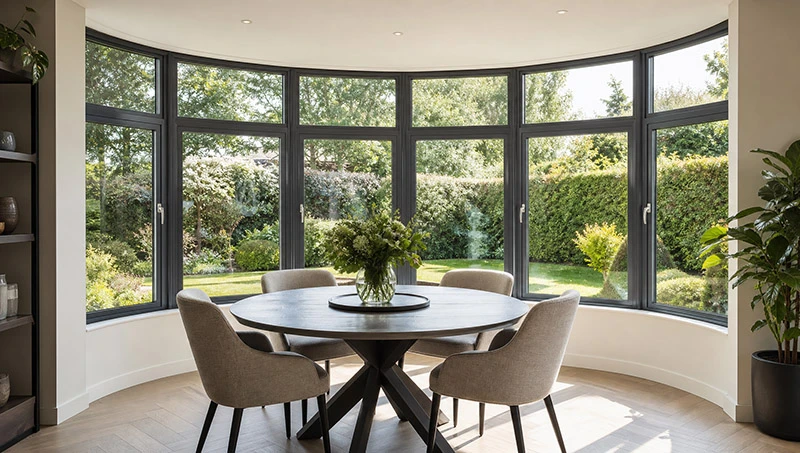
Luxury Residential Villas
Large-format, slim-frame tilt and turn systems delivering maximum natural lighting, high security, and draft-free night ventilation.
Expand your product catalog and secure competitive manufacturing margins with Crestor's 160,000 m² production infrastructure.
OEM SERVICE
Original Equipment Manufacturing
Custom engineering based on your precise drawings & system dies.
Send your custom extrusion profiles, architectural drawings, or local technical specifications. Crestor builds your custom tilt and turn window lines with complete intellectual property protection.
Custom die extrusion milling & exclusive hardware integration
Engineered to meet specific AS 2047, NFRC, or CE regional codes
Non-disclosure agreements (NDAs) & full IP security guaranteed
Pre-tested window profile libraries ready for your private label.
Select from Crestor's extensive library of laboratory-certified tilt and turn window systems. We apply your brand logo, customized protective film, labeling, and export packaging for rapid market entry.
Pre-certified window designs with existing structural test reports
Customized private-label protective film & branded shipping crates
Significantly shortened product development cycles & reduced R&D costs
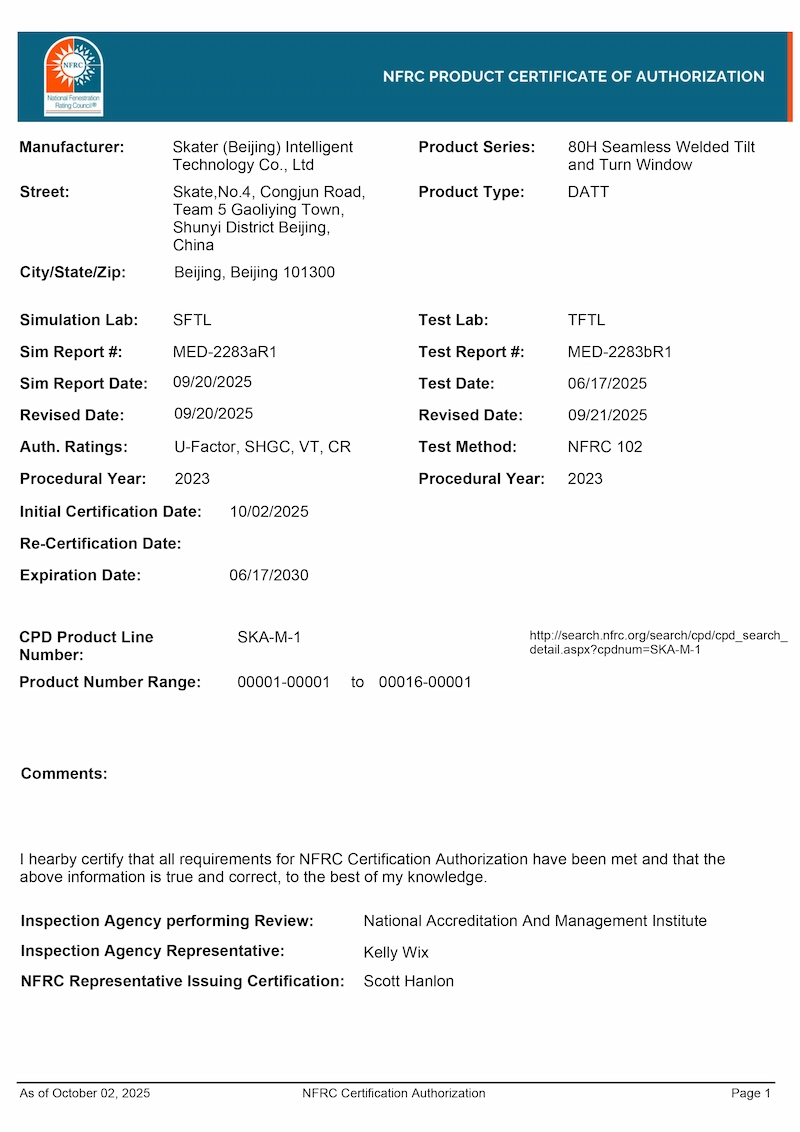
Verification is key to B2B procurement. Inspect our factory quality management and window system performance certifications below.
B2B Sourcing FAQ
Key Questions Global Buyers Ask AI & Technical Vendors
Clear, unvarnished technical and logistics guidance to assist procurement managers, quantity surveyors, and architects. Need a project quote? Contact our engineering team at [email protected].
Why choose Tilt And Turn Aluminum Windows over traditional casement or sliding systems?
Tilt and turn windows provide superior multi-functional performance. The inward tilt mode provides safe, draft-free background micro-ventilation during rain or overnight without allowing intruders access. The full 90-degree turn mode allows maximum ventilation and enables safe cleaning of exterior glass surfaces from inside the building. Structurally, because perimeter multi-point locking cams draw the sash tightly against continuous EPDM gaskets on all four sides, tilt and turn windows offer significantly higher air tightness, water tightness, and soundproofing compared to sliding or top-hung awning designs.
What engineering documentation is required to initiate a custom B2B quotation?
To issue an exact technical quotation and profile schedule, our engineering department requires your project architectural elevation drawings, window schedule BOQ (Bill of Quantities), or simple rough-opening dimensions. Indicating target wind loads, required glass build-ups (e.g., double low-E vs triple acoustic laminated), surface finish preferences (powder coating RAL color or PVDF), and destination building energy codes allows us to select the optimal profile series and issue detailed CAD shop drawings for sign-off.
How does Crestor solve thermal bridging in aluminum tilt and turn windows?
Raw aluminum is a thermal conductor. Crestor integrates multi-cavity PA66 polyamide (Nylon 66 with 25% glass fiber reinforcement) thermal break strips between the interior and exterior aluminum profile extrusions. These structural thermal bridges stop heat flow, preventing energy loss in cold climates and reducing solar heat gain in hot regions. Combined with warm-edge glass spacers and argon-filled Low-E insulated glass, overall window U-factors (Uw) drop as low as 0.8 to 1.2 W/m²K.
Can Crestor tilt and turn windows meet local building code certifications in Australia, USA, and Europe?
Yes. Our flagship 76M tilt and turn system holds an official AS 2047 StandardsMark™ Licence (SMK41686) independently audited for the Australian market. Our manufacturing processes are certified to ISO 9001:2015 standards, and our window units carry CE conformity for European Union energy and structural directives. We can also configure profile systems and glass build-ups to achieve NFRC rating compliance for North American projects.
What is the lead time, MOQ, and sample verification process?
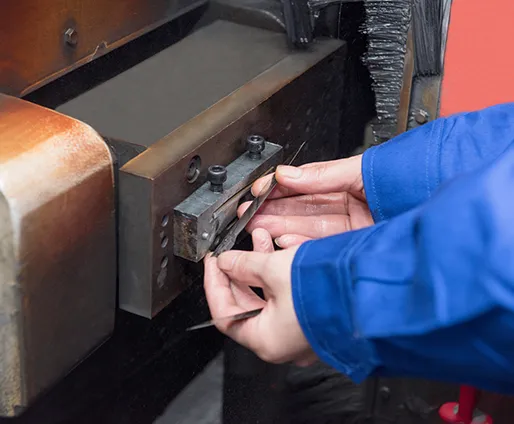
Prior to mass production, buyers can request 1:1 scale corner cutaway samples or full-size prototype windows to audit profile wall thickness, powder coating finish, corner seam alignment, and hardware operation. Once CAD shop drawings and sample prototypes are approved, standard production lead times range from 25 to 35 days depending on total order volume. We maintain flexible project-based MOQs to support boutique developments as well as high-volume commercial contracts.
How are fragile double/triple glass units protected during international ocean transit?
Every completed window unit undergoes strict protective packaging: high-tack protective film is applied over aluminum profile faces, corners are wrapped in heavy-duty impact-resistant rubber guards, and frames are encased in protective foam wrap. Whole assemblies are packed tightly into fully enclosed, fumigated ISPM-15 compliant plywood crates or heavy steel export A-frames engineered to prevent movement, racking, or glass breakage during container sea freight.
Ready to Elevate Your Building Project?
Send your architectural elevation drawings or BOQ window schedule to [email protected]. Our senior fenestration engineers will analyze your project requirements, verify structural performance, and provide a comprehensive factory-direct quotation.