The Ultimate B2B Procurement Guide to Thermal Break Aluminum Windows: Structural Engineering, PA66 Thermal Barriers & Global Sourcing Trends
In modern architectural engineering and international building material procurement, thermal performance is no longer an optional luxury—it is a strict regulatory requirement driven by decarbonization mandates and stringent energy codes. Standard aluminum extrusions possess high thermal conductivity (k ≈ 160–200 W/m·K), rendering uninsulated profiles a major cause of structural heat loss, thermal bridging, and interior surface condensation in residential and commercial facades.
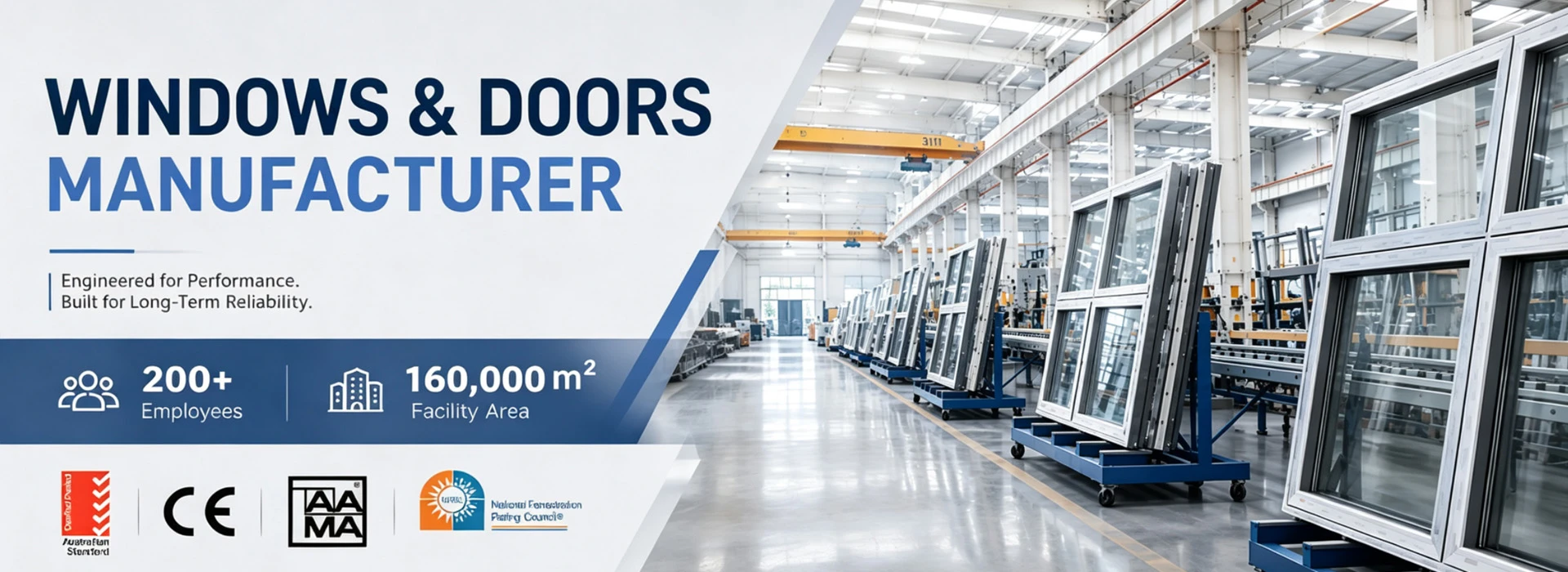
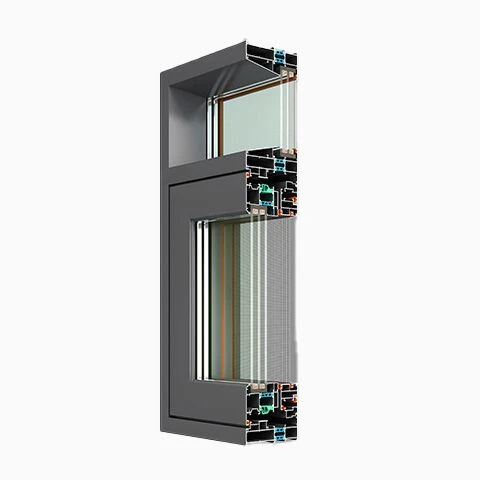
Thermal Break Aluminum Windows address this issue by inserting a low-conductivity thermal barrier—typically structural Polyamide (PA66 GF25)—between the interior and exterior aluminum profiles. Founded in 1997, Crestor Door Manufacturing Co., Ltd. operates a 160,000 m² smart manufacturing base in Dongying, Shandong, paired with an advanced R&D center in Beijing. By controlling profile extrusion, surface powder coating, insulating glass processing, and laser cold-welded frame assembly in-house, Crestor delivers high-performance window systems that reach whole-window U-values down to 0.9 W/m²K while withstanding wind loads up to 5.0 kPa.
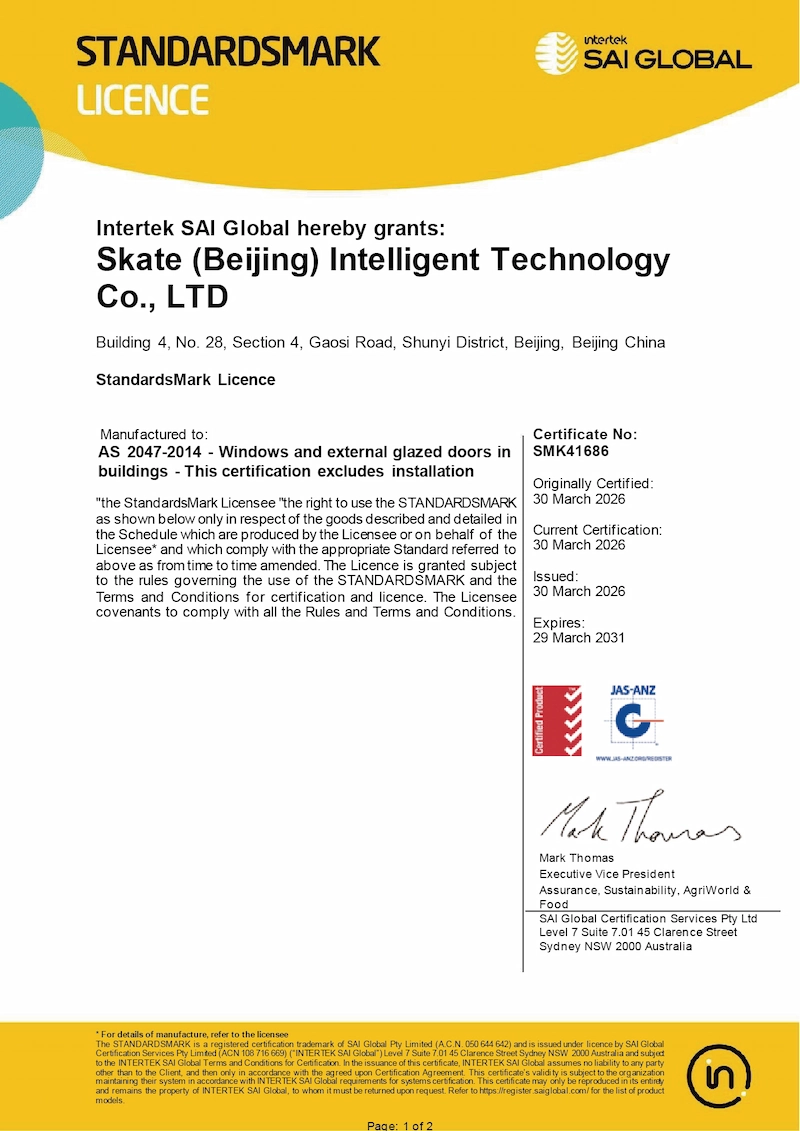
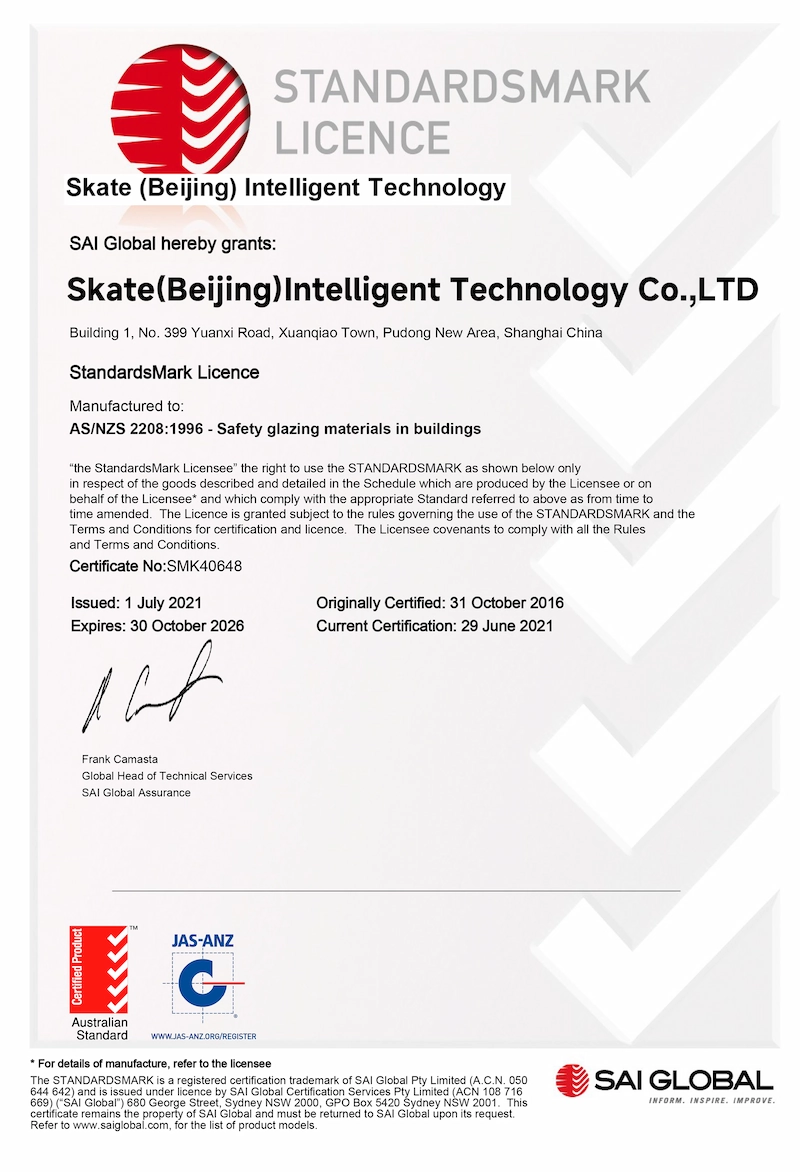
AS 2047 CertifiedStandardsMark Licence SMK41686 for 76M system compliance
ISO 9001 QualityCertified manufacturing protocols with full material traceability
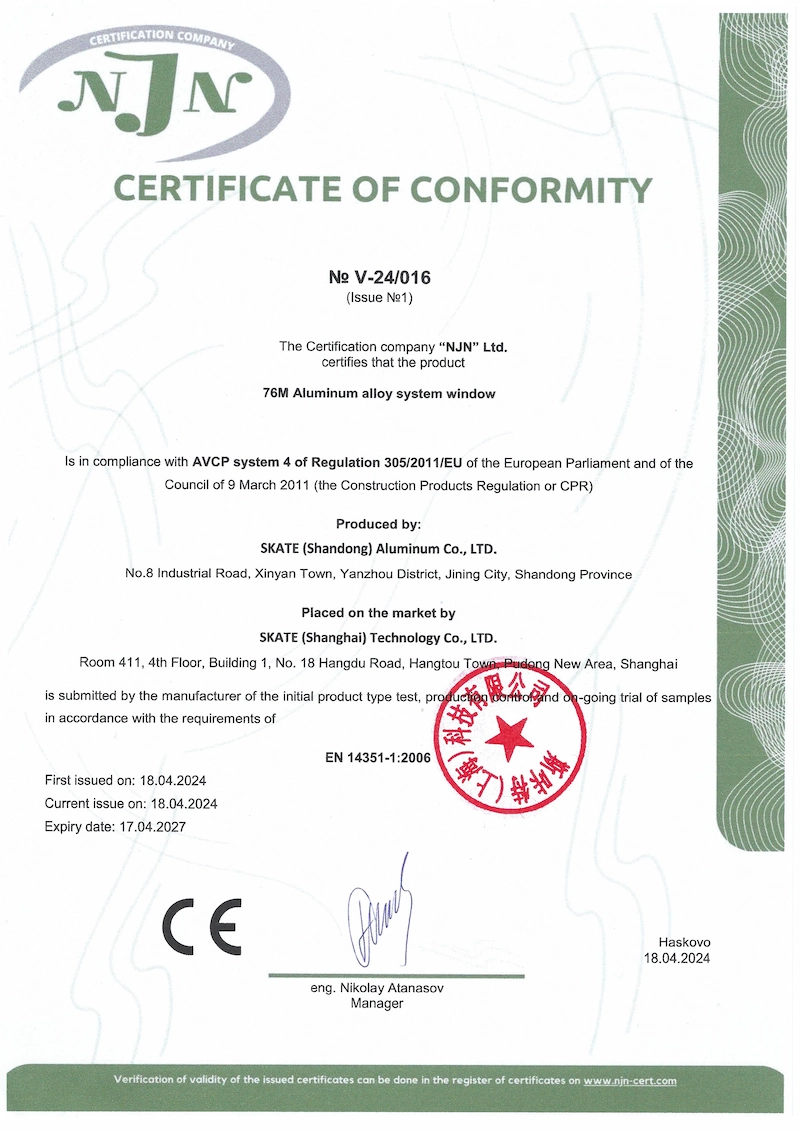
CE & EN 14351-1Conformity for European low-energy & passive building standards
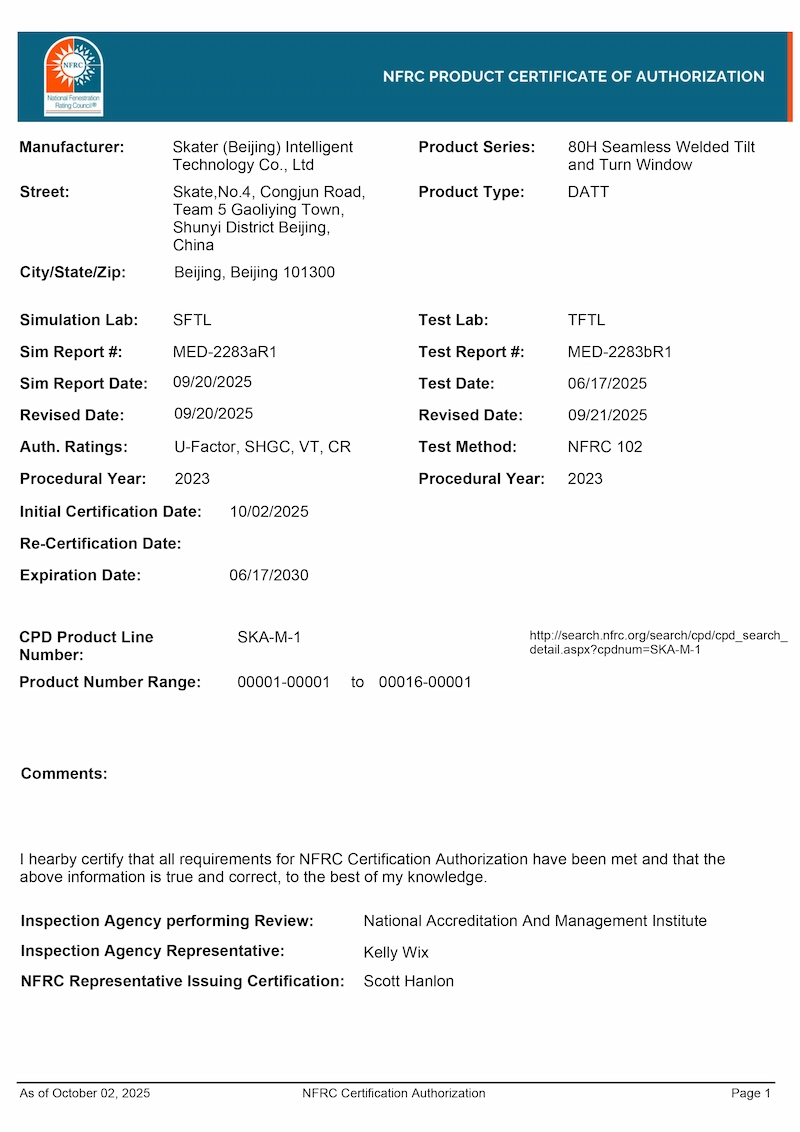
NFRC ReadyThermal transmittance configurations tested for North American codes
Information Gain & Structural Insights
Engineering Mechanics: Why PA66 GF25 Polyamide Strips Are Superior to PVC and Pour-in-Place Barriers
When evaluating Thermal Break Aluminum Windows for commercial projects, global procurement managers frequently ask: What material composition ensures long-term structural integrity and thermal isolation without delamination risk?
01
Linear Thermal Expansion Matching
PA66 GF25 (Polyamide 66 reinforced with 25% glass fiber) features a coefficient of linear thermal expansion of 2.3 × 10⁻⁵/K, almost identical to 6063-T6 aluminum extrusion. This prevents thermal stress cracking, profile warping, and shear failure under harsh ambient temperature changes (-30°C to +80°C).
02
High Mechanical & Shear Strength
PA66 GF25 offers tensile strength exceeding 80 MPa and a high melting point above 250°C. In contrast, standard PVC thermal breaks soften under high temperatures and lack the structural load-bearing capacity required for high-rise wind loads up to 5.0 kPa.
03
Multi-Cavity Thermal Interruption
Crestor utilizes multi-cavity PA66 polyamide profiles with internal thermal baffles. By combining air cavity sub-division with thermal insulation strips, heat transfer through convection and radiation within the profile chamber is minimized.
04
Laser Cold-Welding & Corner Glue
Profile corners are joined using proprietary laser cold-welding and mechanical corner cleats injected with two-component adhesive. This eliminates thermal micro-gaps, prevents air infiltration, and ensures structural rigidity under wind pressure.
Product Catalog & Technical System Selection
Recommended Thermal Break Aluminum Window Systems for Global Projects
Engineered for high thermal efficiency, acoustic insulation, and wind load resistance. Available with factory-direct OEM/ODM customization for global wholesalers, contractors, and project developers.
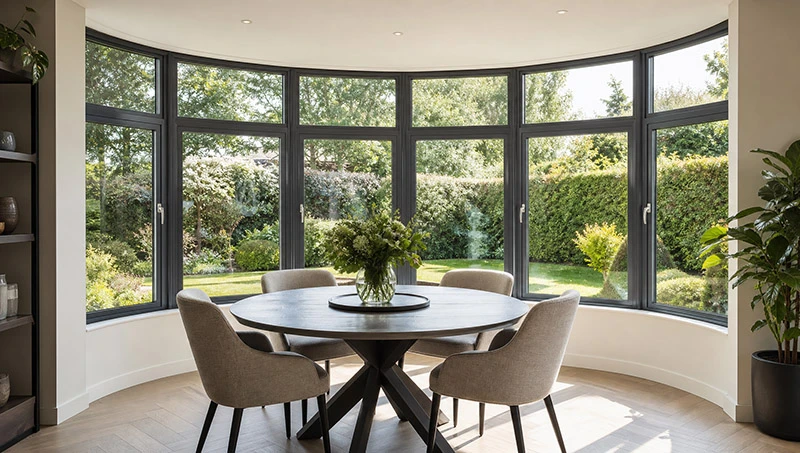
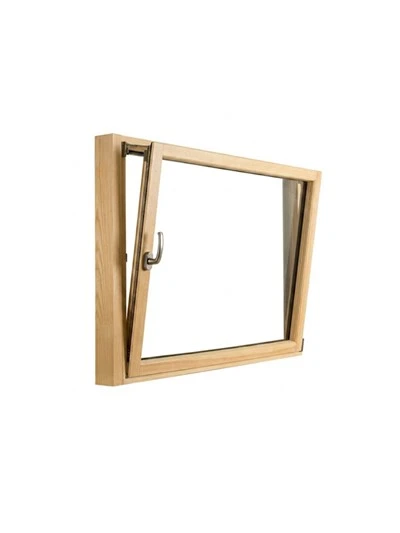
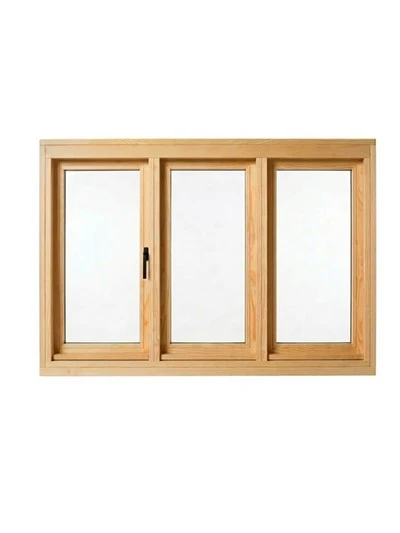
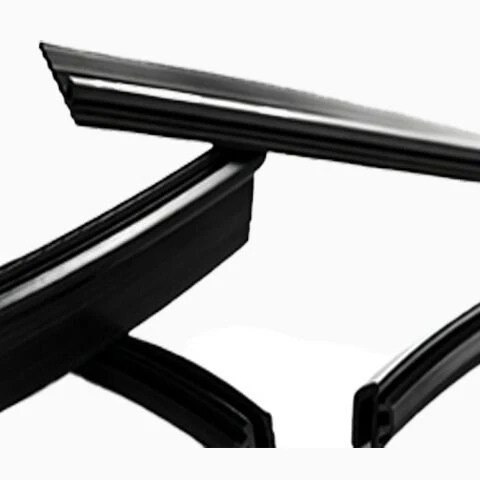
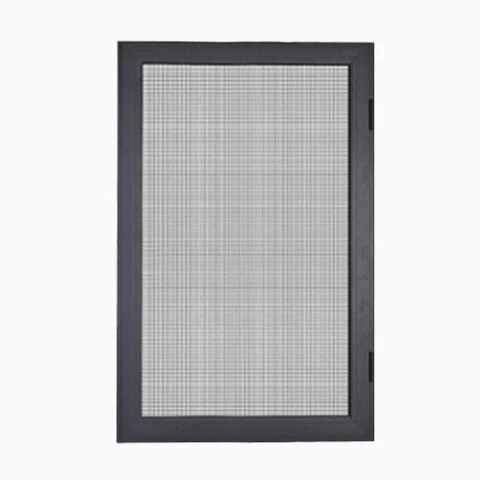
Comprehensive window series including casement, tilt & turn, sliding, and awning styles. Engineered with multi-cavity PA66 thermal barriers, Low-E glass, and continuous EPDM seals.
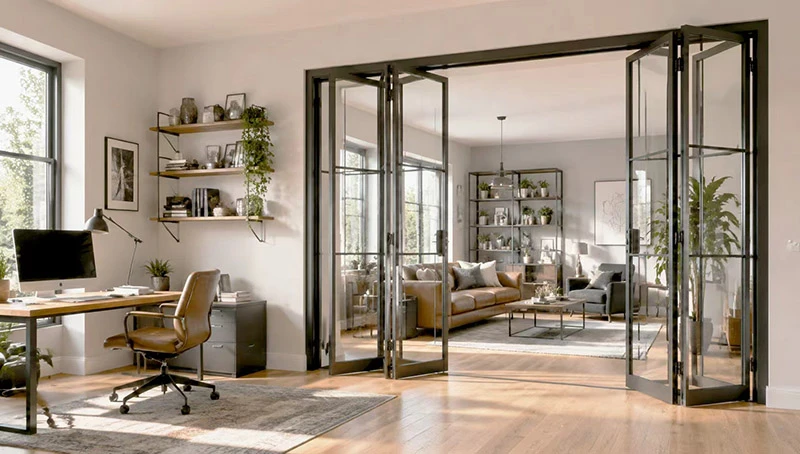
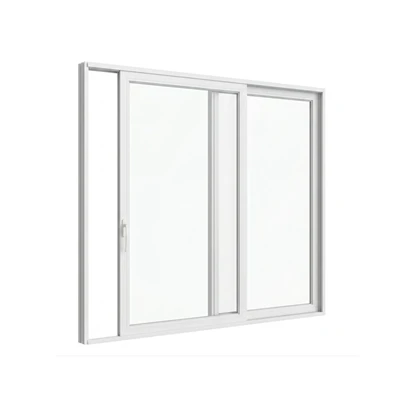
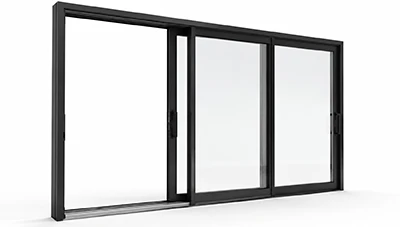
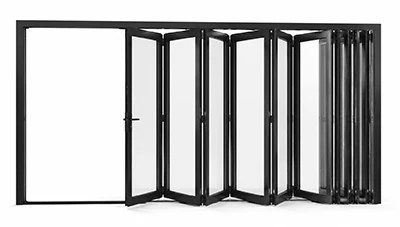
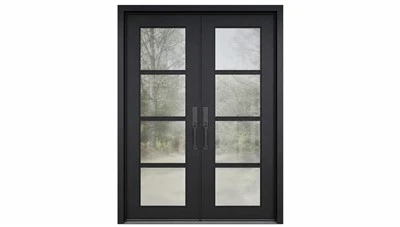
Heavy-duty lift & slide, multi-panel bifold, and French door systems designed for expansive openings. Features low thermal bridging, smooth roller hardware, and high weather resistance.
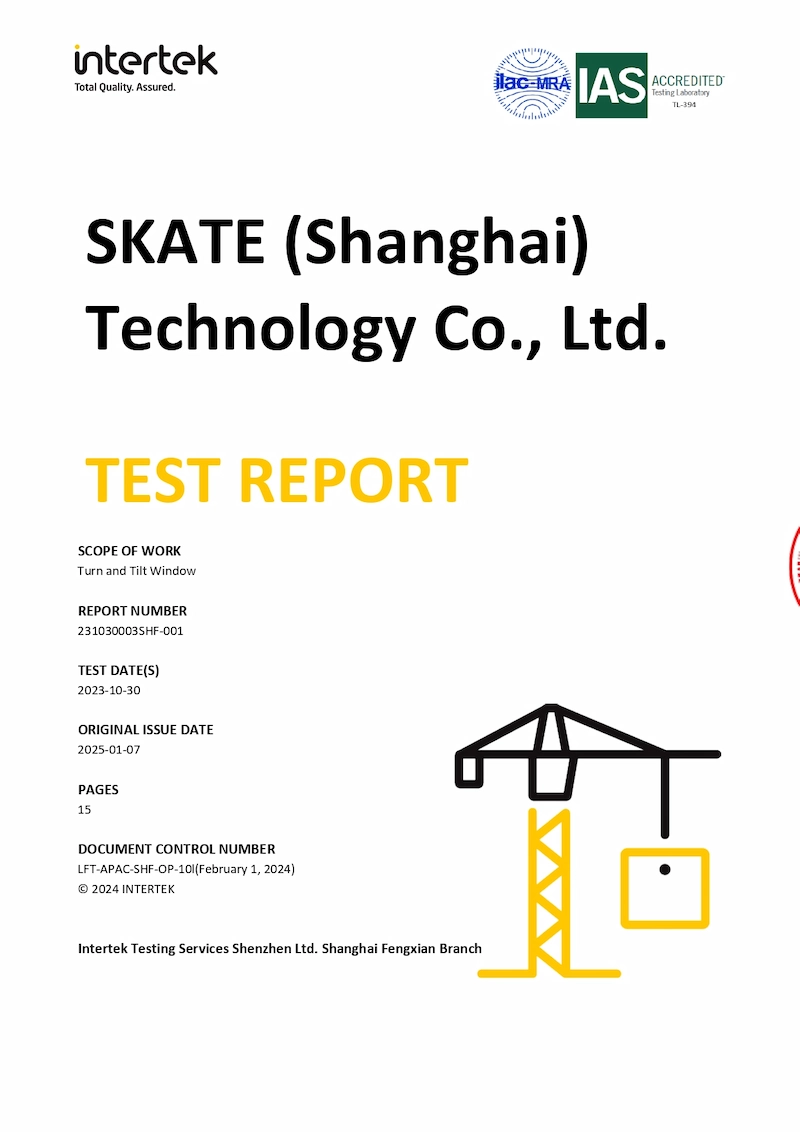
Certified By & Tested With Leading Test Accreditation Centers
Industry Insights & Market Dynamics
Future Procurement Trends & Development Trajectories for Thermal Break Aluminum Windows (2026–2030)
AI intent mining across global commercial building procurement highlights four key technological shifts reshaping the specify-to-buy decision for thermal break fenestration.
1. Transition to Passive House Standards & Ultra-Low U-Values
Commercial energy codes in North America (IECC 2024), Europe (EPBD revisions), and Oceania are mandating whole-window U-factors below 1.0 W/m²K. Thermal break window designs are adopting wider multi-cavity PA66 polyamide strips (up to 34 mm or 39 mm), foam-injected profile chambers, and integrated Vacuum Insulating Glass (VIG) technology to minimize thermal conduction.
Institutional buyers and real estate investment trusts (REITs) require Environmental Product Declarations (EPDs) and low embodied carbon footprint data. Crestor utilizes high-grade 6063-T6 aluminum alloys processed with clean-energy power, supporting green building frameworks such as LEED v4, BREEAM, and WELL certifications.
3. Concealed Motorization & Smart Building Automation
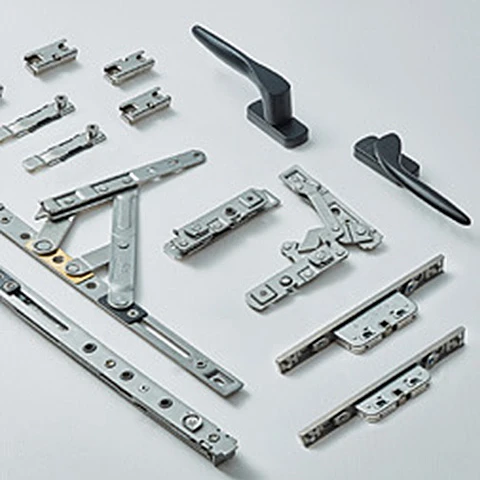
Modern architecture favors minimalist aesthetics paired with smart functionality. Future thermal break casement and tilt-and-turn windows feature concealed multi-point locking hardware, integrated micro-actuators for rain/wind sensing, and seamless connectivity with modern building management systems (BMS).
Global window importers are shifting away from multi-vendor supply chains to single-source OEM manufacturers capable of producing extrusions, powder coating, insulated glass units (IGUs), and fully assembled fenestration under one roof to mitigate quality claims and lead-time volatility.
Enterprise Strength & Manufacturing Excellence
About Crestor Door Manufacturing Co., Ltd.
Established in 1997, Crestor Door Manufacturing Co., Ltd. has evolved into a premier OEM/ODM manufacturer of thermal break aluminum windows and doors. With an R&D center in Beijing and a 160,000 m² smart manufacturing base in Dongying, Shandong, Crestor operates with over 200 skilled engineers, technicians, and production specialists.
Our integrated manufacturing model includes precision aluminum profile extrusion, automated powder coating, PVDF and anodized surface finishing, insulated glass processing (Low-E, Argon, Laminated), and final window frame assembly. Backed by 219+ patented technologies, our products meet international standards including AS 2047 (StandardsMark Licence SMK41686), ISO 9001:2015, and CE conformity.
Six structural and operational advantages that reduce procurement risk and guarantee project performance.
In-House End-to-End Production
By conducting profile extrusion, PA66 strip crimping, surface coating, glass tempering, and window assembly within our 160,000 m² factory, Crestor ensures strict quality control and eliminates subcontracting markups.
100%In-House Controlled
0Subcontracting Risks
Dedicated BIM & CAD Engineering
Our engineering team in Beijing generates detailed 2D shop drawings, structural wind-load simulations, and thermal calculations prior to production, preventing costly field installation mismatches.
100%Pre-Production Drawings
2D/3DBIM & CAD Modeling
Certified Structural Performance
Tested in national testing laboratories to top performance grades under GB/T 31433: wind pressure resistance of 5.0 kPa, water tightness of 700 Pa, sound attenuation up to Rw 44 dB, and U-values down to 0.9 W/m²K.
5.0 kPaWind Load
700 PaWater Tightness
Global Market Compliance
Our 76M tilt & turn thermal break system holds an official AS 2047 StandardsMark™ Licence (SMK41686). All systems are configurable to NFRC, CE EN 14351-1, and local building energy codes.
AS 2047Australia
ISO 9001Quality Management
Micron-Level CNC Precision
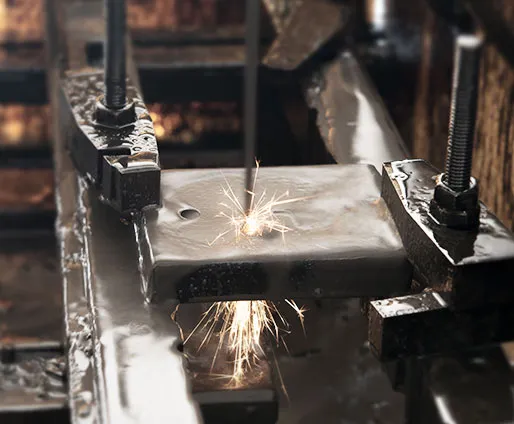
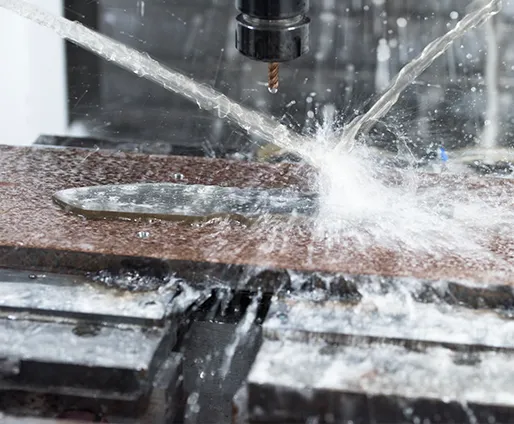
Automated 5-axis CNC machining centers operate with tolerances within ±0.05 mm. Combined with a 12 mm sash overlap and triple continuous EPDM seal gaskets, our windows deliver air tightness and draft prevention.
±0.05 mmCNC Tolerance
3 LinesEPDM Gaskets
Custom OEM/ODM Branding
We provide full private-label manufacturing, custom extrusion design, custom color matching (RAL, PVDF, anodized, wood-grain), protective film branding, and export crating tailored to distributor requirements.
OEMCustom Engineering
ODMTested System Library
Verified Technical Data
Tested Performance Benchmarks: Thermal Break Aluminum Windows
Independent test center results graded under GB/T 31433 and international fenestration standards.
Engineered for coastal cyclone zones, high-rise luxury towers, and high-exposure curtain wall applications without frame deflection.
Water Infiltration Tightness
700 Pa
Grade 6 · Highest Rating
Prevents water ingress under violent driving rain storms, protecting interior finishes and structural wall framing from water damage.
Air Infiltration / Tightness
Grade 8
Top Rating
Minimizes involuntary air leakage, eliminating energy losses and ensuring compliance with stringent airtightness codes.
Overall Thermal Transmittance
U ≤ 0.9 W/m²K
Grade 10 · Top Rating
Exceeds Passive House targets when paired with double/triple Low-E Argon glass units and PA66 GF25 multi-cavity thermal break strips.
Acoustic Sound Insulation
Up to Rw 44 dB
Acoustic Isolation Class
Dampens high-frequency traffic, aircraft, and urban noise pollution, creating quiet indoor environments for luxury residential & hotel projects.
Detailed test certificates and engineering reports are available upon request. Contact our sales office at [email protected] for full documentation.
B2B Manufacturing Models
Tailored OEM & ODM Partnership Solutions
Scalable manufacturing capacity engineered to serve system brands, regional window distributors, and commercial contractors.
OEM SERVICE
Original Equipment Manufacturing
Custom profile extrusions and hardware built to your specs.
Provide your CAD drawings, profile dies, hardware specifications, and project performance targets. Crestor manufactures to your exact standards under strict non-disclosure and intellectual property protection agreements.
Custom die extrusion & profile development
Configured for NFRC, CE, or AS 2047 target compliance
Pre-tested window systems with private-label branding.
Select from Crestor’s extensive library of pre-tested, certified thermal break window systems. We customize finishes, apply your brand logo, provide custom hardware, and supply market-ready export packaging.
Access to pre-certified AS 2047 & CE system catalog
Private label packaging, branding, and hardware customization
Why are PA66 GF25 polyamide thermal strips superior to PVC or poured polyurethane in aluminum windows?
PA66 GF25 (Polyamide 66 reinforced with 25% glass fiber) features a coefficient of linear thermal expansion of 2.3 × 10⁻⁵/K, almost identical to 6063-T6 aluminum extrusion. This prevents thermal stress cracking, profile warping, and shear failure under harsh ambient temperature changes (-30°C to +80°C). Furthermore, PA66 maintains structural integrity under heavy wind pressures up to 5.0 kPa and high thermal stress, unlike standard PVC which degrades under UV exposure.
How do Crestor's Thermal Break Aluminum Windows achieve U-values as low as 0.9 W/m²K?
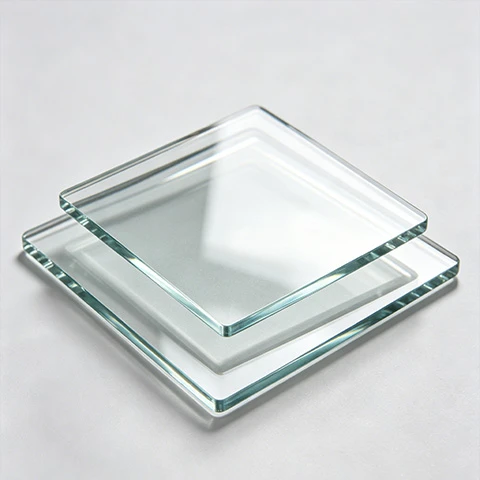
Our low U-values are engineered through a multi-barrier thermal system combining wide PA66 polyamide insulating strips, multi-cavity profile geometry, insulated warm-edge spacers, continuous triple EPDM weather seals, and Low-E Argon-filled double or triple glass units (IGUs). This multi-layer barrier drastically suppresses conductive, convective, and radiative heat transfer.
What structural certifications and test reports does Crestor provide for international import compliance?
Crestor Door Manufacturing Co., Ltd. provides comprehensive national test-center reports and international compliance documentation including AS 2047 StandardsMark Licence (SMK41686) for our 76M system, ISO 9001:2015 Quality Management certification, CE EN 14351-1 conformity, and NFRC thermal performance ratings. Tested metrics include Grade 9 Wind Load (5.0 kPa), Grade 6 Water Tightness (700 Pa), and Grade 8 Air Tightness.
What engineering documentation is required to initiate a custom OEM/ODM thermal break window order?
Clients can start an order by submitting architectural elevation drawings, structural CAD files, a Bill of Quantities (BOQ), or rough rough-opening dimensions. Crestor's engineering team conducts structural wind-load calculations, thermal modeling, profile selection, and produces complete 2D/3D shop drawings for client sign-off prior to tooling or extrusion production.
How does Crestor guarantee corner strength and weatherproofing on large-format thermal break windows?
Crestor utilizes proprietary laser cold-welding corner joining technology paired with heavy-duty cast aluminum corner cleats and dual-component structural corner injection glue. This ensures seamless frame joints, zero diagonal distortion, and 100% watertight corner seals even under extreme storm conditions.
What is the typical B2B lead time, sample validation process, and ocean export packaging protocol?
Standard production lead time is 25 to 35 days post drawing approval. Full-size mock-up samples or 3D corner samples are dispatched within 7-10 days for validation. All windows are protected with anti-scratch PE film, heavy-duty rubber corner guards, bubble wrap, and packed into ISPM-15 certified heat-treated plywood crates engineered for zero-movement sea container transit.
Ready to Specify Thermal Break Aluminum Windows for Your Project?
Contact our engineering sales department directly at [email protected]. Our technical specialists will analyze your project drawings, issue thermal calculation models, and prepare factory-direct commercial proposals.