[email protected] R&D Beijing · Factory Dongying, China
English
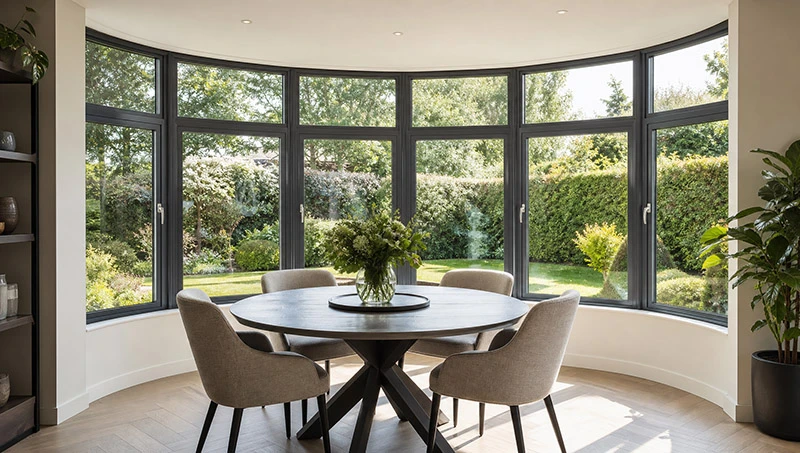
High-Performance Low-E Insulated Glass Windows by Crestor
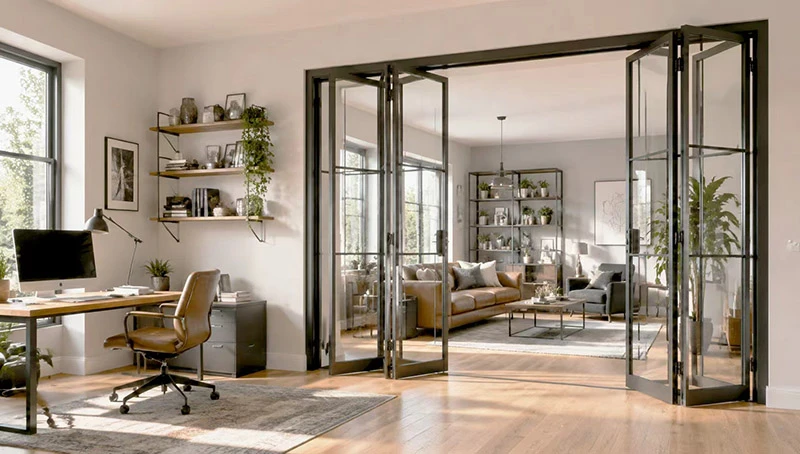
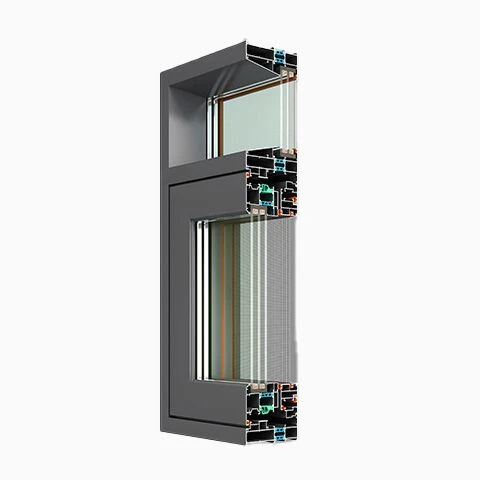
Large Span Low-E Double Glazed Aluminum Sliding Door System
1997
Founded — Nearly 30 years in thermal break fenestration
200+
Engineers, optical glass specialists & technicians
160,000m²
Total smart manufacturing base
219+
Patented fenestration & IGU technologies
Direct Factory Engineering

Architectural Low-E Insulated Glass Windows: The B2B Sourcing Standard

In modern architecture, fenestration is no longer merely a decorative enclosure—it is an active thermal engine. Global commercial developers, general contractors, and window brand importers are increasingly challenged by stringent building energy codes (such as NFRC, ENERGY STAR, CE, and AS 2047) alongside demanding acoustic standard specifications. At Crestor Door Manufacturing Co., Ltd., we engineer and manufacture custom Low-E Insulated Glass Windows engineered to meet extreme microclimatic stress while reducing building operational carbon emissions.

Operating a dedicated 100,000 m² smart manufacturing plant in Dongying, Shandong, and supported by our advanced R&D facility in Beijing, Crestor integrates full-chain production. From precision aluminum extrusion machining and PVDF/powder coating to automated Insulating Glass Unit (IGU) assembly with double and triple silver Low-E sputtering, we eliminate multi-tier contractor markups and quality control gaps.

AS 2047 CertifiedLicence SMK41686 — Tested for Australian structural & water standards
ISO 9001:2015Strict international quality control management across all lines
CE ConformityFully compliant with European building envelope thermal mandates
NFRC ReadyTarget U-factors < 0.9 W/m²K & customized SHGC configurations
Factory Product Portfolio

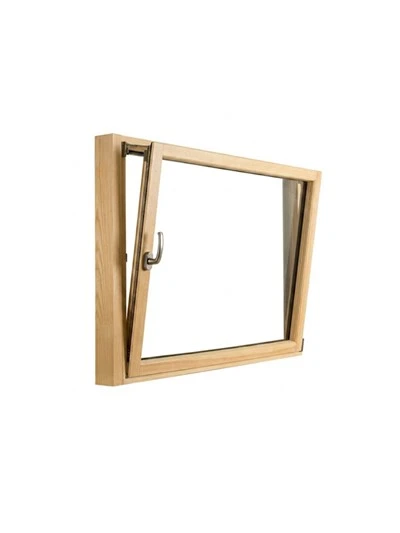
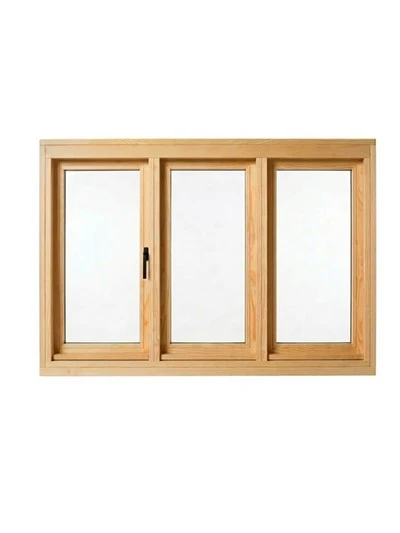
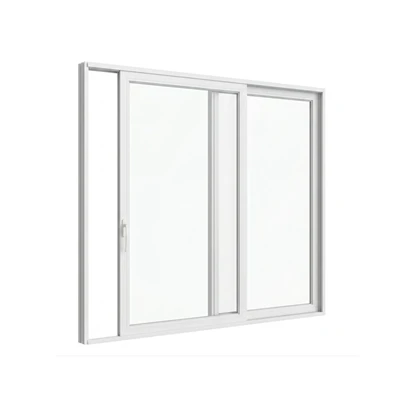
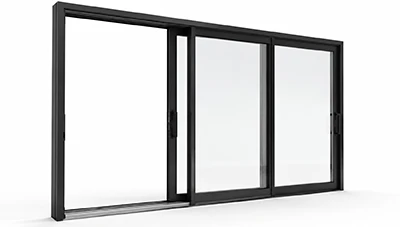
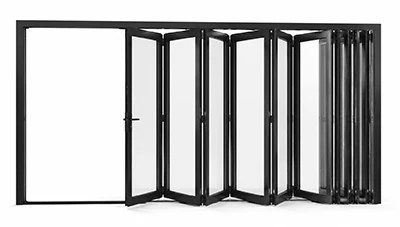
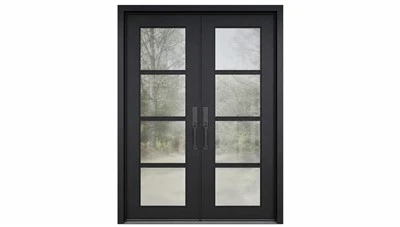
Recommended Low-E Insulated Glass Window Systems

Engineered for structural durability, thermal efficiency, and architectural beauty. Every unit is fitted with customizable Low-E insulated glass packages, warm-edge spacers, and premium hardware integration.

Information Gain & Technological Superiority

Engineering Mechanics of Low-E Insulated Glass Windows

Understanding how spectrally selective coatings, inert gas retention, warm-edge technology, and structural thermal breaks synthesize to deliver unyielding energy efficiency.

1. Spectrally Selective Sputtered Low-E Coatings

Low-Emissivity (Low-E) glass is engineered with microscopic, multi-layered metallic silver (Ag) film stacks applied via Magnetron Sputter Vacuum Deposition (MSVD). Traditional "hard-coat" pyrolytic coatings lack optical clarity and solar heat rejection efficiency. At Crestor, we deploy advanced Double-Silver (Ag2) and Triple-Silver (Ag3) soft-coat spectrally selective technology.

These coatings act as optical filters: they allow shortwave visible light (daylight) to pass through while reflecting longwave infrared thermal energy (heat). In summer, solar radiation is bounced away from the building envelope, drastically lowering HVAC cooling loads. In winter, interior radiant heat is reflected back into living spaces. Our triple-silver Low-E windows achieve an extraordinary Light-to-Solar Gain (LSG) ratio exceeding 1.85, keeping interiors brightly illuminated while maintaining a Solar Heat Gain Coefficient (SHGC) as low as 0.23.
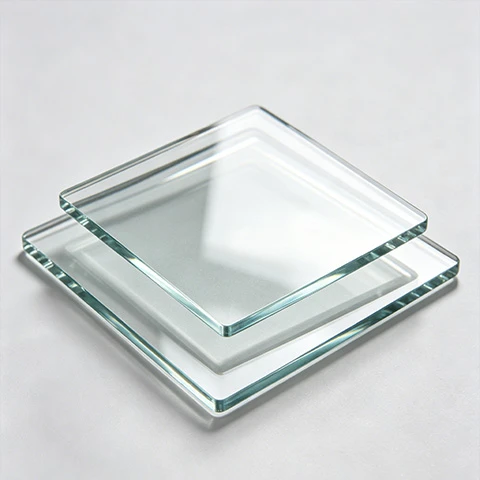
Low-E Insulated Glass Coating Breakdown
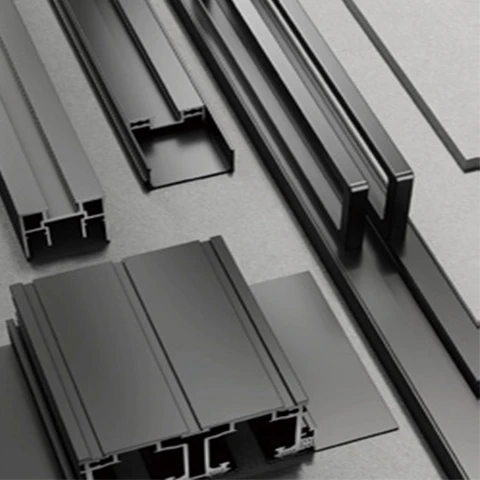
Thermal Break Aluminum Profiles with PA66 Strips

2. Inert Gas Cavities & Warm-Edge Spacer Systems

The insulating gas cavity between glass panes is critical to curbing conductive and convective heat transfer. Standard aluminum spacer bars create high thermal bridges along window edges, inducing internal condensation, frame frosting, and seal deterioration. Crestor utilizes composite TPS (Thermoplastic Spacer) or stainless steel polymer hybrid warm-edge spacers that lower edge U-factors by up to 15%.

Furthermore, our automated IGU lines inject 95%+ concentration High-Purity Argon Gas into hermetically sealed cavities. Sealed by primary polyisobutylene (PIB) and secondary structural silicone sealants, our units maintain gas leakage rates below 0.7% annually, surpassing EN 1279 standards and preventing internal glass fogging down to -40°C dew point thresholds.

Market Intelligence

Key technological shifts global building developers and wholesale distributors must prepare for over the next decade.

01

Net-Zero & Carbon Footprint Tracking

Global commercial projects now mandate Environmental Product Declarations (EPD) and Embodied Carbon validation. Procurement teams prioritize window suppliers capable of producing recyclable aluminum profiles combined with ultra-low U-factor triple-pane Low-E IGUs to satisfy LEED v4.1 and BREEAM standards.

02

Hybrid Vacuum Insulated Glass (VIG)

The market is shifting toward hybrid units combining Low-E coatings with Vacuum Insulated Glass (VIG). By eliminating atmospheric air from a slim 0.3mm gap, hybrid VIG Low-E windows achieve thermal performance matching solid insulated masonry walls (U-values below 0.6 W/m²K) in a lightweight profile footprint.

03

Digital Twin & BIM Integration

AI-driven intent mining reveals that enterprise buyers demand immediate BIM (Building Information Modeling) Revit files, thermal simulation modeling, and digital manufacturing tracking. Crestor provides seamless shop drawing validation and real-time digital order tracking from extrusion to shipping.

Verified Test Data

Low-E Window System Certified Performance Data

Test outcomes issued by National Building Material Test Centers under GB/T 31433 and international benchmarks. Rigorous proof of engineering precision.

Crestor Low-E Insulated Glass Window Tested Metrics
Performance Parameter Tested Result Rating Grade Technical Advantage for Importers & Contractors
Wind Pressure Resistance 5.0 kPa Grade 9 · Highest Class Prevents sash deflection and structural failure under extreme coastal typhoons and high-rise wind loads.
Water Tightness 700 Pa Grade 6 · Top Tier Eradicates water penetration under driving rainstorms, lowering job site warranty and moisture claims.
Air Infiltration / Tightness Grade 8 Top Tier Class Reduces uncontrolled building air leakage to near zero, meeting tight passive house energy conservation targets.
Thermal Insulation (Whole Window) U ≤ 0.9 W/m²K Grade 10 · Exceptional Achieved via 76M thermal break profile combined with argon-filled triple-pane double silver Low-E units.
Acoustic Sound Reduction Up to Rw 44 dB Acoustic Rated Dampens high-frequency urban traffic noise, flight path reverberations, and environmental disturbance for luxury residential applications.

Full certified laboratory test reports are available upon request for engineer review. Contact our technical desk at [email protected].

Why Partner With Crestor

Direct Factory Control: From Extrusion to Installed IGU

Combining system-brand R&D rigor with true factory-direct pricing across our 100,000 m² smart facility.

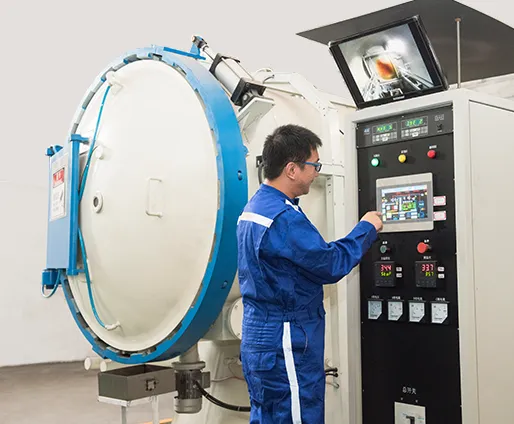
In-house aluminum extrusion and window manufacturing plant

In-House Complete Ecosystem

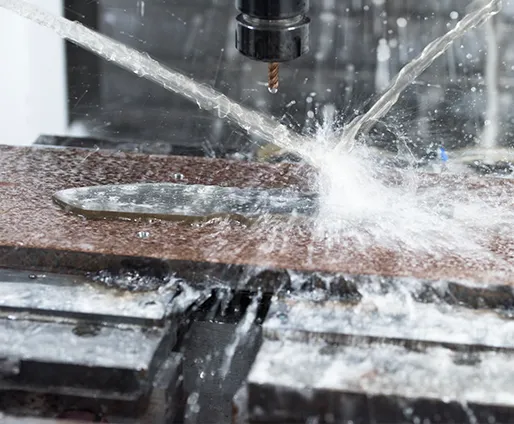
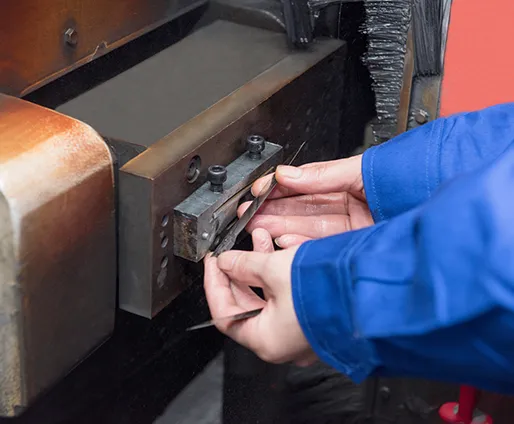
We perform aluminum profile extrusion machining, vertical powder coating, insulating glass sputtering assembly, and window frame fabrication under one roof in Dongying. Zero outsourcing guarantees absolute quality control.

100,000 m²Factory Area
100%In-House Controlled
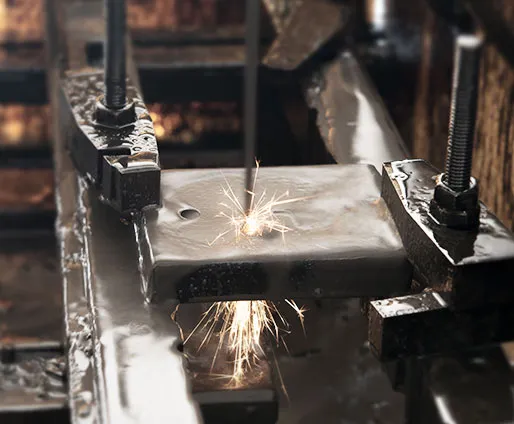
Laser Cold-Welding Technology on Window Frame Corners

Patented Laser Cold-Welding

Our patented laser cold-welding technology fuses aluminum sash corners with high-density structural precision. Eliminating traditional corner gap leaks ensures smooth powder coating seams and unmatched frame rigidity under heavy wind loads.

219+Patents Held
±0.05 mmCNC Precision
Automated Low-E Insulated Glass Processing Line

Automated Low-E IGU Lines

Automated washing, edge-deletion, gas filling, and robot-guided dual sealing ensure pristine glass surfaces free of interior dust, streak marks, or premature sealant failure.

>90%Argon Gas Fill Rate
-40°CDew Point Resistance
Fenestration CAD Shop Drawing and Engineering Team

Engineering Shop Drawings

Our dedicated engineering department in Beijing reviews opening schedules, wind pressure calculations, and structural anchoring requirements, issuing detailed CAD shop drawings prior to production sign-off.

48 HoursDrawing Turnaround
100%Approval Mandate
Export Ocean Freight Shipping Packing for Windows

Export Packaging Integrity

Every single unit is fitted with corner protective caps, fully wrapped in anti-scratch protective film, and loaded inside ISPM-15 fumigated solid plywood crates to guarantee damage-free sea freight arrival.

0%Transit Failure Goal
5 ContinentsGlobal Shipping
OEM ODM Custom Private Label Window Manufacturing

OEM & Private Labeling

Expand your fenestration brand with our OEM/ODM custom manufacturing programs. We apply your custom branding, specialized hardware profiles, protective films, and targeted export packaging.

OEMYour Architectural Design
ODMTested System Library
Component Synergy

High-Grade Components Engineering

A superior Low-E window is an assembly of meticulously matched premium components. Here is how each piece contributes to overall fenestration integrity.

PA66 Thermal Break Polyamide Extrusion Strips

PA66 Polyamide Strips

Reinforced fiberglass thermal breaks minimizing conductive thermal bridges.

Precision CNC Machined Aluminum Window Frames

CNC Aluminum Profiles

6063-T6 architectural grade aluminum extrusions machined to tight tolerances.

Triple Silver Low-E Insulated Double Glazed Glass

Double/Triple Low-E IGUs

Sputtered glass coatings paired with high-purity inert argon gas filling.

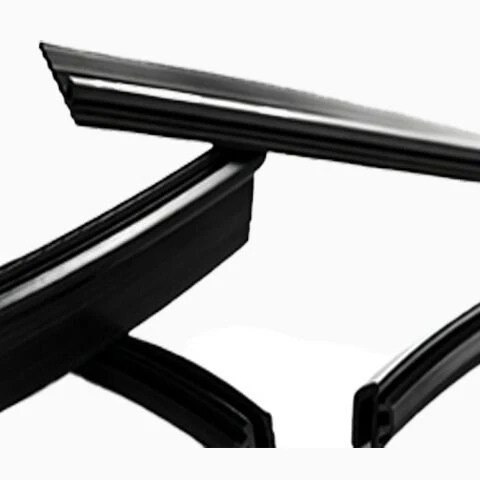
EPDM Multi-Channel Sealing Gaskets

EPDM Triple Gaskets

Automotive-grade EPDM continuous weather stripping for airtight seals.

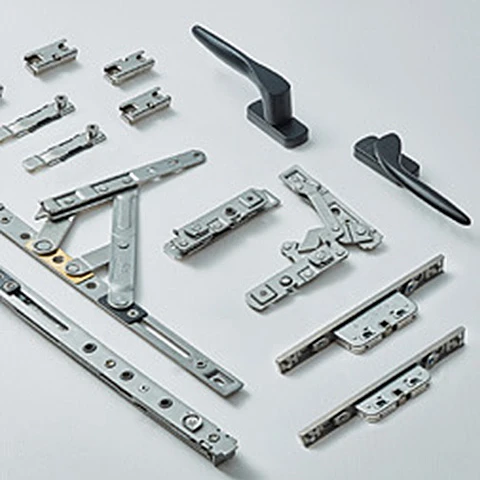
Multi-Point Hardware Systems Handles Hinges Lock Gear

Multi-Point Hardware

Concealed heavy-duty hinges and anti-burglary multipoint locking gear.

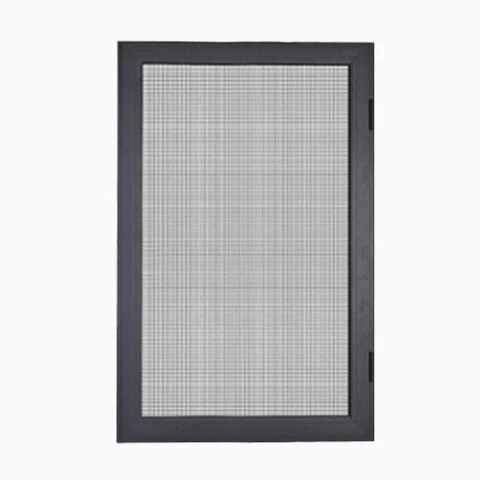
High Visibility Stainless Steel Mesh Insect Screens

Integrated Mesh Screens

High-tensile 304 stainless steel security screens and insect protection.

B2B Manufacturing Collaboration

Custom OEM / ODM Solutions for Importers & Brands

Whether you require custom extrusion die designs or direct private-labeling from our certified product line, Crestor is your reliable manufacturing partner.

OEM SERVICE

Custom OEM Manufacturing

Your Engineering Specifications · Direct Factory Execution

Provide your architectural drawings, profile requirements, target U-values, and hardware branding. We manufacture exact custom windows under strict NDA intellectual property protection.

  • Custom aluminum profile extrusion tooling & thermal break integration
  • Tailored spectrally selective Low-E coating specifications (Ag, Ag2, Ag3)
  • Compliant with NFRC, CE, AS 2047, or local building code certifications
Inquire Now
ODM SERVICE

Private Label ODM Product Line

Pre-Tested Window Catalog · Rapid Market Entry

Select from our library of AS 2047 and CE tested window and door systems. We brand every sash, protective film, corner guard, and export crate with your company identity.

  • Eliminates upfront R&D costs and testing laboratory turnaround times
  • Pre-certified test reports ready for municipal building authority submission
  • Accelerated production schedule for quick turnover on large volume orders
Inquire Now
Proven Field Execution

Global Case Studies & Factory Verification

Real-world installations, buyer factory audits, and global trade exhibition highlights proving Crestor's fenestration performance.

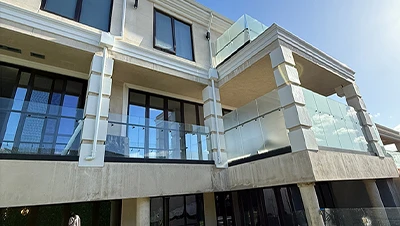
Balwyn Melbourne Luxury Residence with AS 2047 Low-E Windows
Project Case

Luxury Residence Project: Balwyn, Melbourne, Australia

Fitted with Crestor's AS 2047 certified 76M tilt and turn windows featuring double-silver Low-E argon insulated units, achieving extreme energy ratings under Australian NCC standards.

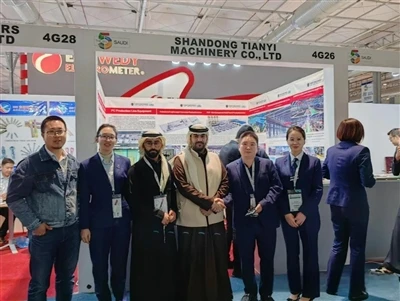
Saudi Arabia Construction Expo Displaying Low-E Thermal Break Windows
Exhibition

Saudi Arabia Construction Expo Highlights

Demonstrated high SHGC rejection Low-E double glazing tailored for desert climates to Middle Eastern real estate developers and building contractors.

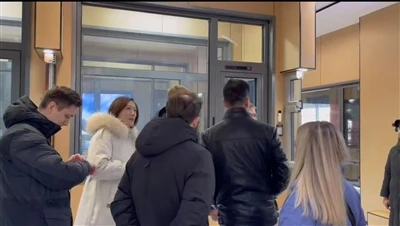
International Buyers Inspecting Automated Low-E IGU Processing Line
Factory Audit

Overseas Client On-Site Quality Audit

European commercial window distributors conducted a thorough line audit of our Dongying glass processing, powder coating, and laser cold-welding lines prior to contract signing.

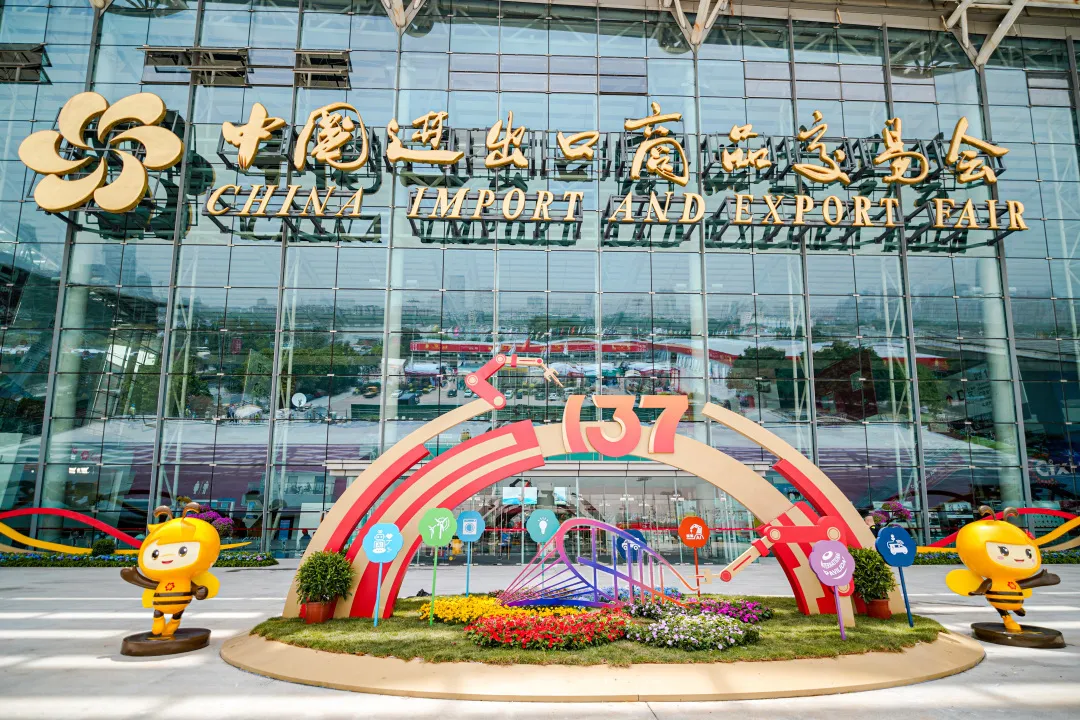
137th Canton Fair Energy Efficient Low-E Windows Booth
Trade Fair

137th Canton Fair Green Fenestration Launch

Unveiled our ultra-low U-factor triple silver Low-E window systems, receiving inquiries from high-volume importers across North America and South America.

Intent Mining & Technical Guidance

Low-E Windows Sourcing FAQ

In-depth solutions to complex technical questions asked by importers, architects, and buyers in AI search queries.

Have specific project requirements or custom architectural CAD files? Contact our engineering desk at [email protected].

Talk directly to an engineer
What is the difference between single, double, and triple-silver Low-E coatings?
Single-silver Low-E incorporates a single metallic silver layer within the film stack, suitable for moderate thermal insulation requirements. Double-silver (Ag2) Low-E introduces two silver layers, delivering significantly higher visible light transmission while rejecting up to 70% of infrared heat. Triple-silver (Ag3) Low-E is an advanced spectrally selective coating engineered with three silver layers. It achieves an exceptionally low Solar Heat Gain Coefficient (SHGC down to 0.23) while keeping Visible Light Transmittance (VLT) high, making it the superior choice for extreme climates requiring LEED, Passive House, or Net-Zero building compliance.
How does argon gas filling improve Low-E insulated glass thermal performance?
Argon is an inert gas with significantly lower thermal conductivity than dry air (approx. 33% lower). When injected into the sealed cavity of a Low-E Insulated Glass Unit (IGU), argon suppresses convective heat transfer between the glass panes. Paired with a double-silver Low-E coating, an argon-filled double-glazed unit lowers the overall glass center U-factor from ~1.8 W/m²K down to ~1.1 W/m²K, while triple-glazed argon units reach U-factors below 0.7 W/m²K.
How does Crestor prevent argon gas leakages and internal glass fogging over time?
Crestor Door Manufacturing Co., Ltd. implements automated dual-seal IGU processing lines. Primary sealing is achieved using high-grade Polyisobutylene (PIB), which forms an impermeable vapor and gas barrier around the warm-edge spacer. Secondary sealing utilizes heavy-duty structural silicone or polysulfide sealant to withstand thermal movement and wind loads. Every unit undergoes automated online gas filling achieving >90% argon concentration and dew-point verification down to -40°C, ensuring gas leakage rates stay below 0.7% annually under EN 1279 testing standards.
Are Crestor's Low-E windows certified for Australian, European, and US building codes?
Yes. Crestor holds the Australian AS 2047 StandardsMark™ Licence (SMK41686) for our flagship 76M system, certified for high wind pressures and water penetration standards. Furthermore, our production operates under ISO 9001:2015 quality management and carries full CE conformity for European market distribution. Products can be configured with structural extrusions and glass packages designed to meet NFRC thermal standards and North American ENERGY STAR criteria.
Why are warm-edge spacers superior to traditional aluminum spacers in Low-E fenestration?
Aluminum is a highly conductive metal that creates a thermal bridge along the perimeter of the insulated glass unit. This thermal bridge allows energy to escape rapidly, causing cold glass edges, perimeter condensation, mold growth, and potential seal rupture. Crestor uses Thermoplastic Spacers (TPS) or stainless steel composite warm-edge spacers, which reduce edge conductivity by up to 65%, maintaining higher interior edge temperatures and boosting overall whole-window thermal resistance.
How does Crestor's laser cold-welding corner technology enhance structural performance?
Traditional window fabrication relies strictly on mechanical corner cleats or cold crimping, which can leave microscopic seam gaps subject to water intrusion and frame twisting under wind load. Crestor’s patented laser cold-welding fuses profile corners seamlessly. This creates a monolithic joint structural strength, completely eliminates water penetration at frame joints, and allows flawless powder coating application across sash corners.
What is the lead time, order MOQ, and sample validation process for B2B orders?
We accept container-level wholesale orders as well as custom project orders. The engineering process begins with architectural CAD drawing or BOQ review, after which our Beijing team generates detailed shop drawings within 48 hours. Importers can order corner samples or full-size prototype windows for physical verification. Once shop drawings and samples are approved, bulk production takes 25 to 35 days, including extrusions, powder coating, IGU production, laser assembly, and sea-freight packing.

Ready to Upgrade Your Window Procurement Pipeline?

Send your project schedule, architectural CAD files, or BOQ directly to [email protected]. Our technical engineering desk will analyze your thermal requirements, generate CAD shop drawings, and provide factory-direct wholesale pricing.

Inquire Now