Featured Low-E Glass Front Doors for Seattle Architecture
Factory-direct entrance door configurations featuring multi-chamber thermal breaks, double/triple tempered Low-E glazing, and hurricane-rated weatherproofing designed for Seattle residential and commercial developments.
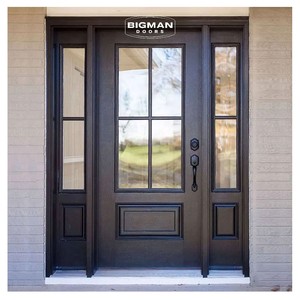
American Residential House Traditional French Style Tempered Glass Solid Wooden Front Entry Door Double Sidelite for Villa Hall
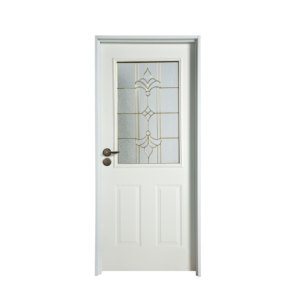
New Arrival Contemporary Front Door Right Hand Inswing Exterior French 9 Lite Low-E Glass Fiberglass Outdoor for Villas
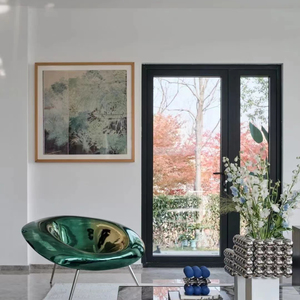
Low E Glass Energy Efficient Exterior Aluminum Swing Door for USA Canada New Home Construction Slim Frame Design
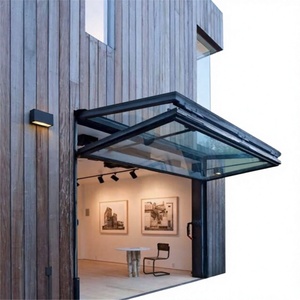
Lolands Custom Modern Aluminum Entry Door with Low-E Double Tempered Glass for Residential Villa and Supermarket Front Entrance
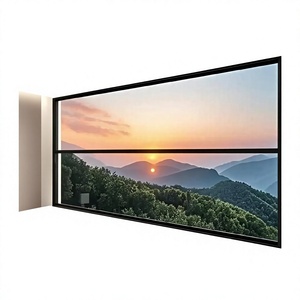
135 Panoramic Front Entry Door Thermal Break Aluminum Alloy Frame Tempered Hollow Low-E Glass Folding Glass Door for Villa Hotel
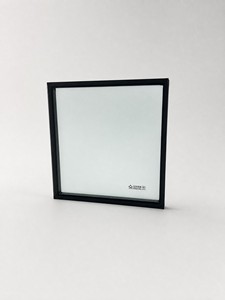
Factory Laminated Low E Insulated Glass 6+16A+6mm for Entrance Door
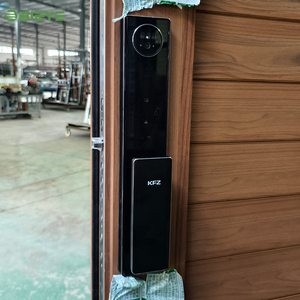
Thermal Break 85 Aluminum Offset Pivot Door Double Glazed Low E Glass for High End House Front Entry Decoration
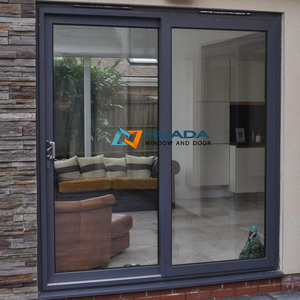
High-End Waterproof Entry Front Door Hurricane Impact Sliding Glass Windows and Doors Energy Efficient Lifting and Sliding Door
Tailored Low-E Front Door Applications Across Greater Seattle
Seattle’s unique marine climate (IECC Climate Zone 4C) demands exterior entrance doors engineered specifically to withstand relentless wind-driven rain, atmospheric humidity, and overcast winter conditions while preventing thermal energy loss.
Modern Craftsman & Historic Queen Anne Homes
Renovating classic Seattle residential architecture in neighborhoods like Capitol Hill, Queen Anne, and Wallingford requires entrance doors that preserve historical aesthetic charm while integrating 21st-century thermal performance. Crestor’s Low-E French doors and sidelite configurations combine warm wood-grain textured powder coatings with dual-pane Low-E glass, preventing frame sweating and draft leakage without compromising period details.
Waterfront Luxury Estates (Mercer Island & Bellevue)
Coastal properties situated along Lake Washington and Puget Sound face harsh marine air, high relative humidity, and severe wind pressure. Our offset pivot doors and heavy-duty lift-and-slide entry systems feature 6063-T6 architectural aluminum framing with 25-micron PVDF fluorocarbon coatings. Coupled with argon-filled triple Low-E insulated glass, these doors resist salt-air corrosion and marine gale wind loads up to 5.0 kPa.
Urban Infill & High-Density Mixed-Use Developments
With rapid urban growth in South Lake Union, Belltown, and Ballard, acoustic insulation and security are top procurement requirements for commercial front entrances and luxury apartment lobbies. Crestor’s laminated Low-E glass doors deliver Sound Transmission Class (STC) ratings up to 44 dB, effectively filtering out ambient city traffic and sound while meeting high-traffic structural durability standards.
Meeting the Washington State Energy Code (WSEC) & Seattle Mandates
The Pacific Northwest leading the United States in decarbonization and ultra-efficient building envelopes. Understanding local code dynamics is crucial for developers, architects, and fenestration importers.
1. Stringent U-Factor Targets (WSEC 2021 / Seattle Energy Code)
The 2021 Washington State Energy Code (WSEC) sets some of the strict fenestration efficiency requirements in North America. Fully glazed exterior entrance doors in Seattle residential and commercial projects must typically achieve an overall assembly U-factor of U-0.24 BTU/h·ft²·°F (approx. 1.36 W/m²K) or lower. Crestor’s thermal break aluminum front doors utilize multi-cavity PA66-GF25 (polyamide reinforced with 25% glass fiber) thermal barriers, delivering whole-door U-values down to 0.9 W/m²K (U-0.16 BTU/h·ft²·°F), easily outperforming local code baselines for energy compliance credits.
2. Solar Heat Gain Coefficient (SHGC) Optimization for Climate Zone 4C
Unlike southern sun-belt regions that require ultra-low Solar Heat Gain Coefficients (SHGC) to block solar radiation, Seattle experiences over 150 overcast days per year. Local architectural design strategies prioritize High Visible Light Transmittance (VLT) paired with moderate-to-high SHGC (0.35–0.45) on south-facing entrances to allow passive solar heat gain during cold winters. Crestor custom-engineers double-silver and triple-silver spectator-selective Low-E coatings (such as PPG Solarban series equivalents) to maximize natural indoor illumination while preventing interior radiant heat from escaping outward.
3. Advanced Moisture Management & Rain-Screen Sill Integration
With Seattle averaging 38 inches of annual precipitation—mostly characterized by prolonged, light-to-moderate rain accompanied by wind—water intrusion at the entry sill is the primary cause of residential envelope failure. Modern Seattle building practice requires continuous rain-screen sill flashings. Crestor entry doors feature engineered weep-hole drainage channels, pressure-equalized sill cavities, and triple EPDM perimeter gasket seals certified to withstand 700 Pa static water pressure testing without leakage.
4. Passive House & High-Performance Glazing Demand
Driven by the regional popularity of PHIUS (Passive House Institute US) design principles in King County, custom homebuilders are migrating away from traditional uninsulated timber or non-thermal aluminum doors. Crestor’s triple-glazed, argon-filled entrance doors with Techniform warm-edge spacers drastically minimize perimeter thermal bridging, eliminating the cold draft feeling near front foyers during sub-freezing winter spells.
Technical Comparison Matrix: Standard vs. Crestor Low-E Doors
Verifiable test data performed at national window and door test centers under rigorous GB/T 31433 and NFRC testing standards.
| Performance Metric | Standard Wooden Entry Door | Standard Non-Thermal Aluminum | Crestor Thermal Break Low-E System | Seattle Code Compliance Status |
|---|---|---|---|---|
| Thermal Transmittance (U-Value) | U-0.45 BTU/h·ft²·°F (2.55 W/m²K) | U-0.80 BTU/h·ft²·°F (4.50 W/m²K) | U-0.16–0.21 BTU/h·ft²·°F (0.9–1.2 W/m²K) | Exceeds WSEC 2021 (U ≤ 0.24 Mandate) |
| Water Tightness (Pa) | 250 Pa (Moderate leak risk) | 350 Pa (Basic threshold) | 700 Pa (Grade 6 Top-Tier Rating) | Ideal for Seattle Maritime Storms |
| Wind Load Resistance (kPa) | 2.0 kPa | 3.0 kPa | 5.0 kPa (Grade 9 Maximum Rating) | High-rise & Coastal Waterfront Tested |
| Condensation Resistance Index (CR) | CR 35 (Prone to indoor fogging) | CR 20 (Severe sweat condensation) | CR 72+ (Warm-edge Techniform spacer) | Prevents mold growth in 85%+ humidity |
| Acoustic Attenuation (STC) | STC 28 dB | STC 26 dB | STC 38 – 44 dB (Laminated IGU) | Urban Infill & Airport Noise Control |
| Air Infiltration Rate | 0.30 cfm/ft² | 0.25 cfm/ft² | ≤ 0.05 cfm/ft² (Grade 8 Air Tightness) | Meets Blower-Door Airtight Standards |
Why Importers & Contractors Choose Crestor Door Manufacturing Co., Ltd.
Founded in 1997, Crestor Door Manufacturing Co., Ltd. has grown into a premier global fenestration manufacturer with a 100,000 m² smart manufacturing base in Dongying, Shandong, and an advanced R&D center in Beijing. With over 200 engineers and 219 patented technologies, we bridge the gap between custom system-brand engineering and direct factory pricing.
In-House Vertical Integration
From raw aluminum alloy profile extrusion, CNC precision machining (±0.05 mm tolerance), and powder coating/PVDF surface finishing to double-sealed Low-E Insulating Glass Unit (IGU) assembly—every manufacturing phase takes place within our facility under ISO 9001:2015 quality control protocols.
Laser Cold-Welding Corner Technology
Unlike conventional mechanical crimping that opens up micro-gaps over years of thermal expansion, Crestor utilizes seamless laser cold-welding for profile corners. This guarantees permanent structural rigidity, zero water penetration at frame joints, and flawless miter aesthetics.
Global Export & Testing Certifications
Our products hold international certifications including AS 2047 StandardsMark™ Licence (SMK41686) for our 76M system, CE conformity for European markets, and custom configuration capabilities matching NFRC 100/200/400 guidelines for North American building permits.
Engineering & CAD Shop Drawings
We do not start production based on rough estimates. Our 200+ engineering team provides complete 2D/3D BIM shop drawings, structural glass load calculations, and rainscreen attachment details for client sign-off before mass production begins.
Flexible OEM / ODM Partnership
Whether you are a window brand needing OEM private-label manufacturing or a Seattle general contractor requiring custom-dimensioned ODM entrance doors for a commercial multi-family project, we offer scalable production with low minimum order thresholds.
Direct Export Logistics to Seattle Ports
All exported door assemblies are protected with corner edge guards, plastic film wrap, and heavy-duty IPPC ISPM-15 heat-treated plywood crates. We coordinate direct ocean freight shipping to the Port of Seattle and Port of Tacoma with DDP/FOB terms.
Frequently Asked Questions by Seattle Importers & Builders
Detailed answers covering technical specifications, code compliance, moisture control, and logistics for procuring Low-E glass front doors.
1. What U-factor rating is required for exterior front doors under the Seattle Energy Code?
2. How does Low-E glass prevent internal glass fogging during wet Seattle winters?
3. Which Low-E glass coating (Soft-Coat vs. Hard-Coat) is recommended for Pacific Northwest climate conditions?
4. How do aluminum thermal break front doors withstand Seattle’s continuous rain compared to solid timber or fiberglass?
5. What documentation do you supply for local Seattle building permit approval?
6. What is the typical lead time and ocean shipping duration from Crestor’s factory to the Port of Seattle?
7. Can Crestor Low-E entrance doors be integrated with modern smart locks and automated access controls?
Ready to Upgrade Your Seattle Building Projects with High-Performance Low-E Entrance Doors?
Whether you are an architect drafting specifications, a general contractor managing a luxury residential build, or a building material importer seeking factory-direct OEM/ODM pricing—our engineering team is ready to analyze your drawings and provide detailed shop drawings and technical quotes.
Send an Inquiry