Precision Engineered Smart Door & Window Systems
Explore our certified thermal break aluminum frames, biometric smart locks, and hurricane-rated architectural glass systems engineered for Osaka's rigorous urban codes.
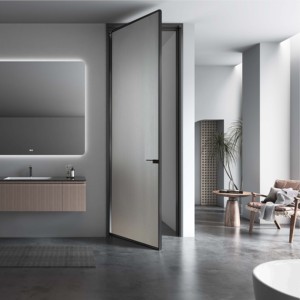
Professional Modern Invisible Aluminium Glass Swing Door for Villa House Interior Windproof Finished Surface
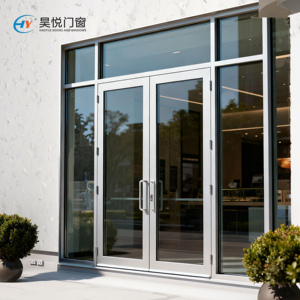
High Quality Factory Price Customized Double Aluminum Alloy Glass Door French Doors Entrance System
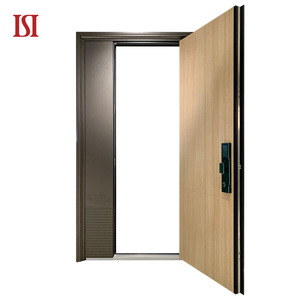
Top Brand Front Door Lock Apartment Residential Aluminium Front Entrance Security Doors
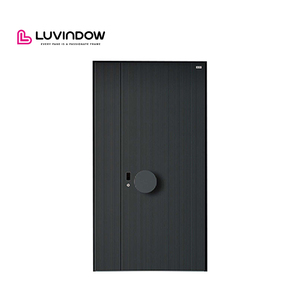
Luvindow Aluminum Doors for House Security Front Entrance Door With Smart Fingerprint Lock
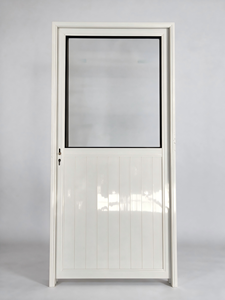
CE Certified Aluminum Alloy Bathroom Swing Door Anti-Corrosion & Waterproof Profile with Frame
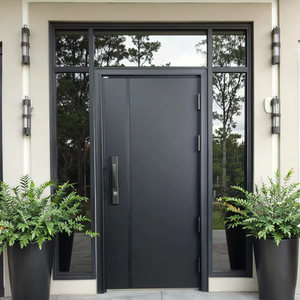
Exterior Security Entry Front Door Heavy Duty Aluminum Alloy Outdoor Security Gate

Large Size Soundproof Impact Resistant Typhoon-Proof Thermal Break Aluminum Folding Door
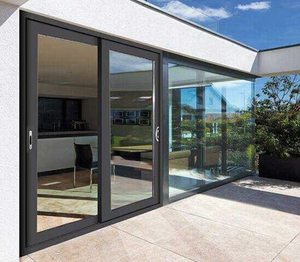
RG93.6 High Performance Durable Thermal Insulation Exterior Aluminum Glass Sliding Doors
Strategic Market Insights: Fingerprint Lock Aluminum Door Sourcing in Osaka
The urban architecture of Osaka—spanning dense modern residential infills in Namba and Umeda to expansive waterfront developments along Osaka Bay—presents a highly specialized set of structural, environmental, and technological requirements for external fenestration. As real estate developers, general contractors (Zenecon), and architectural firms modernize commercial and residential portfolios across the Kansai region, the demand for high-security, thermal-break aluminum entrance systems embedded with semiconductor fingerprint biometrics has surged.
Navigating the Japanese construction supply chain requires strict adherence to local building codes, including the Building Standard Law of Japan (BSLJ) and localized JIS (Japanese Industrial Standards) frameworks such as JIS A 4702 (Doorsets) and JIS A 4706 (Windows). Furthermore, Osaka’s geographic vulnerability to severe coastal typhoons originating from the Pacific Ocean, alongside high seasonal humidity and earthquake risks, dictates that entry doors must satisfy far more than aesthetic criteria—they must function as structural shields.
Information Gain Key Takeaway: Unlike standard commercial doors, architectural smart entry systems engineered for the Osaka market must integrate 6063-T6 structural aluminum extrusion alloys, PA66-GF25 thermal insulation strips, high-grade C4/C5 anti-corrosion PVDF coatings to withstand Osaka Bay salt spray, and multi-point mortise locksets compatible with Japanese FeliCa IC card and biometric standards.
Semiconductor Biometrics & Multi-Modal Access Integration
Technical breakdown of industrial-grade fingerprint locksets customized for thermal break aluminum profile depth and security requirements.
Capacitive Live-Skin Biometrics
Utilizing high-density 508 DPI semiconductor capacitive sensors capable of evaluating sub-dermal live tissue profiles. Delivers a False Acceptance Rate (FAR) of < 0.0001% and False Rejection Rate (FRR) of < 0.1% within 0.3 seconds.
Anti-Tamper Multi-Point Locking
Forged 304/316 stainless steel mortise lockbodies equipped with triple anti-saw deadbolts, anti-panic quick release inner handles, and automatic latching mechanisms built for heavy thermal aluminum frames.
Kansai IoT & Smart Home Alignment
Seamless encrypted communication modules supporting AES-128 wireless protocols (Zigbee 3.0, Wi-Fi 6, BLE 5.2) and local Japanese protocols like ECHONET Lite, compatible with Miwa/Goal hardware footprints.
Structural Test Metrics & Regulatory Compliance
Comprehensive engineering performance data based on national test center results aligned with Japanese GB/T and JIS fenestration benchmarks.
| Performance Parameter | Certified Test Value | JIS / GB Standard Grade | Architectural Application Relevance |
|---|---|---|---|
| Wind Load Resistance | 5.0 kPa (510 kgf/m²) | Grade 9 (Top Tier) | Crucial for high-rise residential towers in Umeda & coastal waterfront structures exposed to Osaka Bay typhoons. |
| Water Tightness | 700 Pa | Grade 6 (Top Tier) | Prevents severe wind-driven rain penetration during peak monsoon weather and tropical storms. |
| Air Tightness | q1 ≤ 0.5 m³/(m·h) | Grade 8 | Minimizes internal HVAC thermal loss; conforms to Japanese zero-energy housing (ZEH) performance goals. |
| Thermal Insulation | U ≤ 0.9 W/m²K | Grade 10 | High-density polyamide PA66 strips block exterior heat gain during Osaka’s humid summers and contain indoor winter warmth. |
| Acoustic Isolation | Rw = 44 dB | Class 4 Acoustic | Filters urban noise pollution from Osaka’s Hanshin Expressway and busy railway corridors in core metropolitan districts. |
Structural Extrusion Chemistry & Environmental Shielding
Crestor Door Manufacturing utilizes primary T6-treated 6063 aluminum alloy profiles featuring wall thicknesses ranging from 2.0mm to 3.0mm for load-bearing entrance frames. Unlike lightweight residential doors, our structural profiles undergo continuous salt spray testing (ASTM B117) exceeding 3,000 hours without surface pitting or finish degradation. This provides absolute peace of mind for properties located along the Osaka Bay shoreline where atmospheric sodium chloride accelerates metal oxidation.
Localized Osaka Application Scenarios
Customized configuration blueprints designed for specific regional development topologies across the Osaka prefecture.
Osaka Bay Coastal Luxury Condominiums
Integrated heavy-duty lift-and-slide or thermal swing aluminum entrance systems fitted with PVDF coastal coatings, laminated hurricane glass, and battery-backed biometric locksets impervious to ocean salt humidity.
Urban Infill & Modern Machiya Renovations
Slim-profile invisible thermal aluminum swing doors featuring smart fingerprint mortises, optimized for space-constrained residential plots in historical districts like Fukushima-ku and Abeno-ku.
Boutique Hotels & Commercial Facilities (Shinsaibashi)
Automated smart glass entry doors featuring dual-biometric access (Face ID + Fingerprint) and remote cloud access logging for boutique hospitality suites and high-security executive offices.
Multi-Family Apartment Complexes (Chintai Manshon)
Uniform OEM batch production of keyless entry door packages designed for real estate asset managers seeking low maintenance, tamper-proof hardware, and long tenant turnover durability.
Why Sourcing Direct from Crestor Delivers Unmatched ROI
Combining 27+ years of fenestration engineering with a state-of-the-art 160,000 m² smart manufacturing base.
End-to-End Vertical Control
From aluminum billet extrusion, precision CNC 5-axis machining (±0.05mm tolerance), laser cold-welding corner joints, to automated insulating glass (IGU) line assembly—every phase takes place in-house.
Full OEM & ODM Customization
Whether you require custom frame colors matching Japanese Munsell color notation, custom mortise dimensions, or customized private label packaging for Japanese distribution, our R&D engineers handle all shop drawing approvals.
Osaka Port Export Logistics
Direct containerized shipments routed from our export facility to Nanko / Osaka Port with specialized heavy wooden crate packaging, corner foam protectors, and vacuum foil wraps protecting electronics from maritime salinity.
Frequently Asked Questions for Osaka Sourcing
Direct answers to critical technical, regulatory, and logistics queries from Japanese project managers and importers.
Do your smart fingerprint aluminum doors meet Japanese Building Standard Law (BSLJ) codes?
How do your biometric locksets perform during typhoon power outages in Kansai?
What surface treatment is recommended for projects near Osaka Bay to prevent salt air corrosion?
Can your factory manufacture custom sizes matching non-standard Japanese door openings?
What is the typical shipping lead time from your factory to Osaka Port (Nanko)?
How can we verify door build quality before placing a container-level order?
Accelerate Your Osaka Fenestration Project Today
Send your architectural drawings, bill of quantities (BOQ), or opening schedules to our senior engineering team. Get custom factory-direct pricing, shop drawing support, and technical advice within 24 hours.