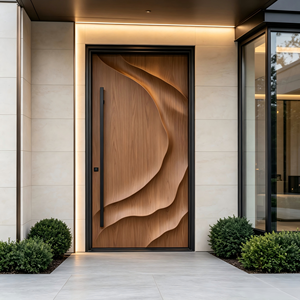
Export Catalog Selection
Featured Custom Pivot & Entrance Door Systems
Precision-machined architectural pivot doors engineered for residential, commercial, and urban luxury real estate projects in Tokyo, Yokohama, and the Kanto region.
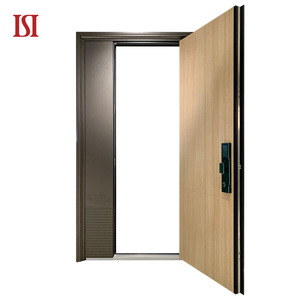
Top Brand Front Door Lock Apartment Wooden Fire Door Residential Aluminium Front Entrance Doors
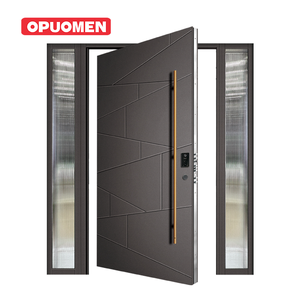
Elegant Aluminum Structure Inside Armored Security Door Entry Doors Modern Aluminum Security Door
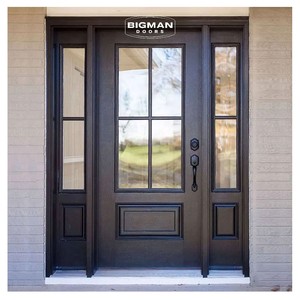
American Residential House Traditional French Style Tempered Glass Solid Wooden Front Entry Door Double Sidelite
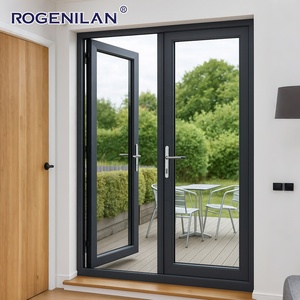
Customized Size Aluminum Doors And Window Double Large Glass Fixed French Door For Houses
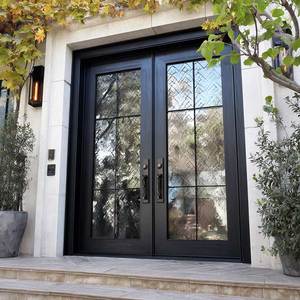
Luxury Main Entrance Security Frosted Glass Exterior Doors Europe Wrought Iron Entry Double Doors
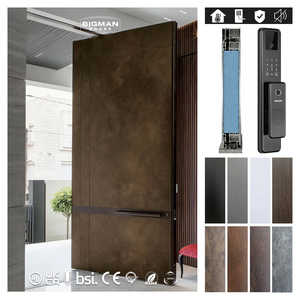
Australia Villa Exterior Front Entrance All-weather Rustic Antique Patina Texture Aluminum Security Door With Pivot Hinge
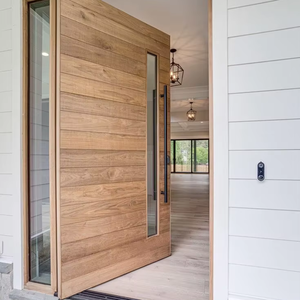
Customized Direct Factory Price Wooden Frame Pivot Entrance Front Door Wood Front Entry Doors & Exterior Doors For Home
100,000 m²
Smart Production Base
5.0 kPa
Wind Load Rating (Grade 9)
U ≤ 0.9 W/m²K
Thermal Insulation Rating
29+ Years
Manufacturing Excellence
Architectural Whitepaper
Navigating the Tokyo Pivot Door Market: Structural Engineering, Seismic Resilience, and B2B Procurement
The urban landscape of Greater Tokyo—spanning prime residential enclaves such as Setagaya, Minato, Shibuya, and Den-en-chofu alongside commercial hubs like Ginza and Roppongi—demands entry door systems that synthesize uncompromising aesthetics with rigorous structural resilience. As luxury residential developers, architectural design firms, and general contractors transition from traditional butt-hinge doors to high-tonnage grand entry pivot doors, selecting an experienced OEM/ODM manufacturer becomes a critical risk-management decision.
Unlike standard entryways, heavy oversized aluminum pivot doors shift the structural rotational axis inward, redistributing immense panel weight onto floor-mounted hydraulic pivot spindles rather than side jambs. In Tokyo’s dense, seismically active climate, executing this mechanism requires specialized profile engineering, thermal isolation technology, and strict adherence to the Japanese Building Standard Law (BSL) and Japanese Industrial Standards (JIS A 4702).
1. Seismic Shear Displacement & Mechanical Axis Engineering
Tokyo sits directly above complex tectonic plate boundaries, subjecting high-rise and luxury low-rise structures to vertical and horizontal seismic sway. Standard heavy entry doors hung on lateral hinges are prone to frame racking and latch binding during minor tremors. Custom aluminum pivot door systems exported by leading factories utilize offset pivot spindles (commonly calibrated between 100mm and 250mm from the jamb), which reduce rotational cantilever torque by up to 60%.
Our engineered systems incorporate high-load hydraulic pivot hardware (compatible with top global standards such as FritsJurgens System M/M+ and Dormakaba BTS series) capable of carrying leaf weights from 250kg up to 1000kg. To withstand dynamic earthquake drift, profile corner joints utilize laser cold-welding technology combined with heavy internal cast-aluminum corner cleats, guaranteeing frame squareness under shear loads up to 5.0 kPa.
Seismic Drift Resistance
Engineered pivot geometry accommodates frame displacement without binding, ensuring emergency egress integrity during seismic movements.
PA66 Thermal Break
Multi-cavity PA66 polyamide insulating strips prevent condensation in Tokyo's humid summers and cold winters, supporting ZEH standards.
Typhoon Airtightness
Triple-sealed perimeter EPDM weatherstripping engineered to pass 700 Pa water tightness under wind-driven storm conditions.
2. Thermal Performance & Compliance with Tokyo Zero Emission House (ZEH) Guidelines
The Tokyo Metropolitan Government has enacted stringent decarbonization targets, encouraging real estate developers to build to Tokyo Zero Emission House (Tokyo ZEH) guidelines. Standard metal doors without thermal breaks act as thermal bridges, resulting in interior thermal energy loss and interior frame frosting during Tokyo’s winter months.
To overcome this performance deficit, direct factory custom pivot door systems designed for export to Japan feature multi-cavity thermal break extrusions integrated with 24mm to 34mm fiberglass-reinforced polyamide (PA66) thermal barrier strips. Combined with Low-E triple-glazed insulated glass units (IGU) filled with 90% argon gas, these assemblies achieve overall U-values as low as 0.9 W/m²K, fulfilling strict building envelope requirements across Japan’s Climate Zones 5 and 6 (covering Greater Tokyo and Kanagawa).
Performance Verification
Technical Specification Matrix: Crestor Pivot Systems vs. Standard Entry Doors
Independently tested performance data evaluated under GB/T 31433 and cross-referenced with JIS A 4702 standards for export to Japan.
| Performance Metric | Crestor Custom Pivot Door | Standard Commercial Door | Tokyo Project Application Gain |
|---|---|---|---|
| Wind Pressure Resistance | 5.0 kPa (Grade 9) | 2.0 kPa (Grade 4) | Withstands typhoon-force winds in coastal Tokyo Bay and high-rise developments. |
| Water Tightness | 700 Pa (Grade 6) | 250 Pa (Grade 2) | Prevents water ingress during heavy Japanese monsoon rains and typhoon seasons. |
| Thermal Insulation (U-Value) | U ≤ 0.9 W/m²K | U ≥ 2.8 W/m²K | Reduces energy consumption; aligns with CASBEE and Tokyo ZEH energy benchmarks. |
| Acoustic Isolation | Rw 44 dB | Rw 28 dB | Blocks urban traffic noise in high-density districts (Shinjuku, Roppongi, Ginza). |
| Corner Structural Joint | Laser Cold-Welding | Mechanical Screwed Corners | Eliminates corner sagging; preserves door leaf alignment over decades of heavy usage. |
| Corrosion Resistance | PVDF / Anodized 25μm | Standard Powder Coat 12μm | Resists airborne salt and moisture degradation in Tokyo Bay coastal zones. |
Architectural Use Cases
Localized Application Scenarios in Greater Tokyo
Modernist Residential Villas in Setagaya & Den-en-chofu
Luxury multi-story private residences in Setagaya Ward frequently demand oversized entry portals that seamlessly connect exterior courtyards with internal minimalist foyers. Our custom 3D fluid wave carved aluminum pivot doors provide a dramatic architectural statement while maintaining sound insulation (Rw 44 dB) against street noise and superior thermal comfort during winter months.
Commercial Luxury Flagships in Ginza & Omotesando
High-end retail flagships in Ginza require wide-clearance, high-traffic ingress points that incorporate automated floor closer mechanisms and smart access control (FeliCa card readers and biometric scanning). Crestor’s aluminum-armored pivot doors offer customizable glass-to-metal ratios with high structural rigidity to support heavy glass panels up to 3000mm in height.
Waterfront High-Rise Penthouse Entrances in Odaiba & Toyosu
Proximity to Tokyo Bay introduces high saline moisture and strong coastal wind pressure. Our specialized PVDF fluoropolymer coating and 25-micron anodized aluminum surfaces withstand harsh salt spray tests without pitting or fading. The integrated multi-point locking system secures penthouse doors against severe typhoon winds up to 5.0 kPa.
Urban Infill Residences in Shibuya & Shinjuku
Constrained land footprints in Tokyo's central districts demand maximum usable width within narrow entryways. Pivot door spindles placed at a precise 10% offset maximize clear passage space compared to thick inward-swinging traditional frame assemblies, satisfying Japanese universal design guidelines.
Market Analysis
Tokyo Localized Market Trends & B2B Sourcing Economics
The Japanese building construction market is experiencing a structural pivot in supply chain sourcing. Historically dependent on domestic manufacturers with long production cycles and rigid size limitations, Tokyo general contractors (such as Kajima, Taisei, and Obayashi partner networks) and boutique architecture firms are increasingly turning to direct-from-factory OEM/ODM manufacturing partnerships in Asia to achieve custom design flexibility at scale.
Three micro-trends dominate the Tokyo custom entry door sector today:
1. Architectural Minimalists Championing Ultra-Slim Frame Sightlines: Tokyo architects prefer narrow perimeter profiles that hide hydraulic closer hardware within the top frame and bottom floor socket. By recessing the pivot box flush with the finished floor, designers achieve seamless transitions compliant with Japan's Barrier-Free Law (Universal Design standards).
2. Integration of Japanese Domestic Smart Home Systems: Modern Tokyo buyers demand seamless smart access integration. B2B pivot door exporters must engineer lock mortises that accommodate domestic Japanese smart hardware, including electronic keypads, FeliCa contactless cards, interphone system relays, and motorized multi-point drop bolts.
3. Direct B2B Factory Sourcing for Cost Efficiency: Sourcing engineered thermal break pivot doors directly from specialized manufacturing bases eliminates multiple broker margins. This cost reduction allows developers to upgrade project specifications—utilizing premium Low-E triple glazing and custom 3D carved surface textures—while remaining within strict project budget constraints.
Factory Authority & Quality Control
Why Tokyo Importers Trust Crestor Door Manufacturing Co., Ltd.
Founded in 1997, Crestor brings nearly three decades of high-precision aluminum fenestration engineering to global B2B procurement partners.
Integrated 100,000 m² Base
Our smart manufacturing facility in Dongying, Shandong handles profile machining, powder coating, insulating glass processing, and final testing under one roof.
219+ Patented Technologies
R&D centered in Beijing continuously drives structural innovation, including laser cold-welded corner assembly and advanced acoustic perimeter damping.
Verified Certification
ISO 9001:2015 certified quality management system, AS 2047 StandardsMark™ Licence (SMK41686), and complete national lab test reports available for project sign-off.
Logistics Integrity
Seaworthy Export Packaging & Direct Shipping to Tokyo / Yokohama Ports
Shipping custom oversized pivot doors requires specialized crate engineering to prevent frame twist, glass micro-fractures, or surface abrasion during maritime transit. Every custom unit produced for the Tokyo market undergoes a rigorous multi-layer packaging protocol:
1. Protective Surface Film & Corner Guards: Anodized and PVDF coated profiles are wrapped in heavy-duty 0.08mm anti-scratch protective film. All 90-degree frame corners are fitted with reinforced plastic corner protectors.
2. Fully Sealed Fumigated Plywood Crates & Steel A-Frames: Large pivot door leaves are secured onto cushioned steel loading racks or enclosed within ISPM-15 compliant fumigated wooden crates with interior EPDM shock bumpers.
3. Direct Sea Freight Logistics: We manage direct FCL (Full Container Load) and OT (Open Top) container shipments from Qingdao/Shanghai ports to Tokyo Port (Aomi/Ohi terminals) and Yokohama Port, providing complete bill of lading, origin certification, and CAD assembly drawings for rapid Japanese customs clearance.
Procurement FAQ
Frequently Asked Questions by Tokyo Architects & Importers
Detailed answers addressing engineering, compliance, lead times, and customization for Japanese building projects.
How do custom factory pivot doors handle Tokyo's strict seismic movement requirements?
Crestor pivot doors utilize floating hydraulic pivot hardware combined with 12mm sash overlaps and heavy internal cast-aluminum corner cleats joined via laser cold-welding. This structural geometry allows the door leaf and frame to absorb inter-story shear drift up to ±15mm without jam-binding, cracking glass, or disrupting lock operation during seismic events.
Are Crestor pivot door systems compliant with Japanese CASBEE and Tokyo Zero Emission House thermal guidelines?
Yes. Our thermal break pivot door series integrate multi-cavity PA66 polyamide insulating strips and Low-E argon-filled triple glazing. The overall system achieves thermal transmittance values of U ≤ 0.9 W/m²K, which comfortably satisfies CASBEE energy efficiency benchmarks and Tokyo ZEH standards for Climate Zones 5 and 6.
What lead times and shipping logistics apply to bulk orders sent to Tokyo Port?
Standard production time for customized OEM/ODM orders is 25 to 35 days following CAD shop drawing approval. Direct sea freight from our shipping port to Tokyo Port (Aomi/Ohi terminals) or Yokohama Port typically takes 4 to 7 days in transit, ensuring fast delivery for tight construction schedules.
Can foreign pivot door hardware (e.g., European pivot hinges) be integrated into OEM aluminum profiles?
Absolutely. Our CNC machining centers cut profile pockets to exact tolerances (±0.05 mm). We regularly integrate top European floor spring and top-pivot hardware (such as FritsJurgens System M+ or Dormakaba BTS series) as well as Japanese electronic mortise locks directly during factory assembly.
How does anodized aluminum cladding protect entry doors against Tokyo Bay's saline atmospheric corrosion?
For coastal installations (such as Odaiba, Toyosu, or Minato waterfront developments), we apply a 25-micron anodized coating or AkzoNobel PVDF fluoropolymer paint. This surface finish withstands over 3,000 hours of neutral salt spray testing without pitting, blistering, or surface degradation.
What engineering documentation is provided to Tokyo general contractors for architectural sign-off?
We provide full CAD section details, structural load calculations, glass stress analysis reports, and official test lab certificates covering wind load (5.0 kPa), water tightness (700 Pa), and sound insulation (Rw 44 dB) for submittal to project approval boards.
Ready to Specify Custom Pivot Doors for Your Tokyo Project?
Send your architectural drawings, bill of quantities (BOQ), or opening dimensions to our engineering team. Receive detailed CAD shop drawings, technical performance verification, and direct factory pricing within 24 hours.