High-Performance Architectural Glass Entry Doors
Explore our CE-certified, factory-direct aluminum entry door systems configured for typhoon resistance, thermal integrity, and refined Japanese aesthetics.
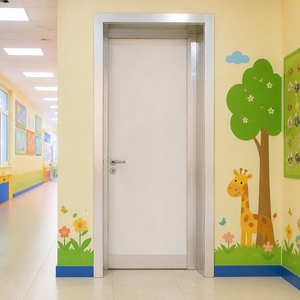
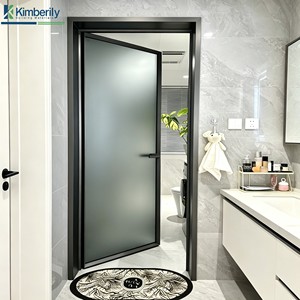
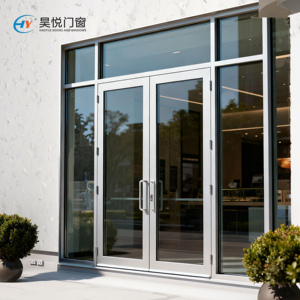
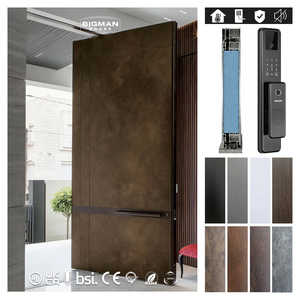
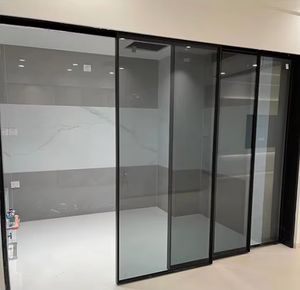
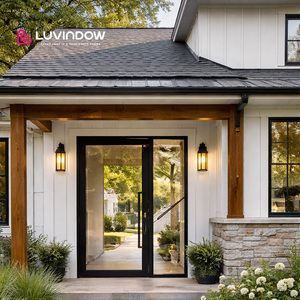
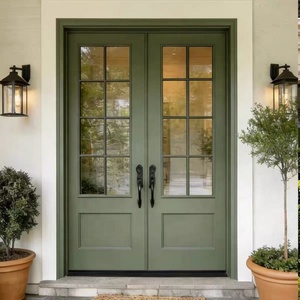
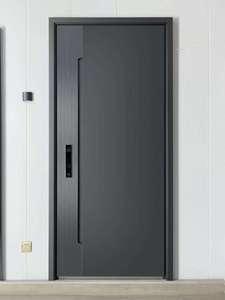
Engineering Architectural Glass Entry Systems for Nagoya’s Built Environment
Technical insights into material science, seismic deformation tolerances, and thermal barrier engineering tailored to Aichi Prefecture’s commercial and residential construction demands.
1. Microclimate Dynamics of Chubu & Nagoya: Structural Imperatives
Architectural fenestration within the Chubu region—specifically Nagoya, Toyohashi, and the surrounding Aichi coastal areas—operates under demanding climatic pressures. Unlike temperate inland environments, Nagoya experiences hot, humid summers driven by Pacific maritime air masses, paired with severe winter winds known locally as Ibuki-oroshi (伊吹降ろし). Furthermore, its coastal exposure near Ise Bay subjects exterior fenestration to high humidity and airborne chloride ions, escalating corrosion risks for metal frames and structural hardware.
For architectural specifiers, general contractors, and door importers in Nagoya, entry doors cannot merely act as static aesthetic portals. They represent critical envelope components responsible for maintaining environmental seal integrity against typhoon-force winds exceeding 5.0 kPa. Crestor Door Manufacturing Co., Ltd. builds CE-compliant and tested thermal break glass entry doors configured with marine-grade PVDF surface coatings, multi-point lock hardware, and PA66 polyamide thermal barriers to conquer these precise regional stressors.
2. European CE Standard Compliance vs. Japanese Industrial Standards (JIS) Alignment
Navigating fenestration compliance in Japan requires a rigorous understanding of overlapping standard frameworks. While local commercial developments historically referenced JIS A 4702 (Sash and door assemblies), international architectural firms and progressive developers across Nagoya’s Sakae and Meieki districts increasingly demand CE Certification (EN 14351-1).
CE marking confirms that an entry door system meets strict European Union regulations governing safety, thermal insulation (U-value), air permeability, water tightness, and structural load capacity. At Crestor, our manufacturing protocols integrate both CE standards and tested national lab parameters under GB/T 31433, ensuring full traceability from raw alloy billet to final packaging. This double-layer compliance assurance eliminates regulatory hurdles for Japanese project developers seeking high-tier imported fenestration.
| Performance Parameter | Tested Value (Crestor Systems) | GB/T & CE Performance Class | Engineering Value for Nagoya Projects |
|---|---|---|---|
| Wind Load Resistance | 5.0 kPa (5000 Pa) | Grade 9 (Highest Rating) | Withstands typhoon gust pressures on coastal and mid-rise structures along Ise Bay. |
| Water Tightness | 700 Pa | Grade 6 (Top Class) | Prevents water penetration during driving rain events and summer monsoon storms. |
| Thermal Transmittance (U-Value) | U ≤ 0.9 W/m²K | Grade 10 (Passive Level) | Aligns with Japan’s ZEH (Net Zero Energy House) energy-saving envelope requirements. |
| Air Tightness | Grade 8 | Grade 8 (Top Class) | Eliminates cold winter drafts caused by Ibuki-oroshi wind shear; optimizes HVAC power consumption. |
| Acoustic Insulation | Rw up to 44 dB | Class A Acoustic Barrier | Blocks urban noise pollution near Nagoya’s heavy transit corridors (Shinkansen / Meitetsu). |
Localized Architectural Application Scenarios in Nagoya
Tailored entry door configurations designed for specific building typologies across Aichi Prefecture.
1. Modern Residential Villas in Chikusa & Yagoto
Luxury residential projects in Nagoya’s upscale Chikusa-ku and Yagoto districts favor expansive, light-filled glass entrances with modern minimalist aesthetics. Crestor’s ultra-narrow profile aluminum casement and heavy-duty pivot doors feature hidden hinges, flush sill transitions, and triple-pane Low-E insulated glass that maximize interior natural light while maintaining complete thermal and acoustic isolation.
2. Commercial Flagships & Boutique Hotels in Sakae
High-footfall retail storefronts and boutique hospitality projects surrounding Meieki and Sakae require door systems capable of high cycle rates without hinge sagging or latch misalignment. Our double swing aluminum glass entry doors use heavy-duty German-engineered multi-point hardware, reinforced corner cleats, and laser cold-welding to support high-use commercial traffic safely.
3. Coastal Waterfront Developments Near Port of Nagoya
Waterfront offices, marine recreation hubs, and industrial administration centers around Nagoya Port demand severe atmospheric corrosion resistance. Crestor coats all exposed structural aluminum profiles with 25-micron PVDF fluoropolymer finishes or Class II anodic oxide layers tested under 3,000-hour salt spray chambers to eliminate oxidation, pitting, and coating delamination.
4. Transit-Adjacent Mixed-Use Developments
Developments adjacent to high-speed rail lines or main arterial thoroughfares suffer from low-frequency structural rumble and ambient traffic noise. Our acoustic glass door assemblies utilize laminated acoustic PVB interlayers coupled with argon gas-filled insulating chambers, achieving acoustic attenuation up to Rw 44 dB to ensure tranquil indoor conditions.
Regional Sourcing Trends: What Nagoya Buyers Prioritize
Key market insights shaping fenestration procurement across the Chubu Economic Zone.
A. ZEH (Net Zero Energy House) Standard Adoption
Japan’s Ministry of Land, Infrastructure, Transport and Tourism (MLIT) continues pushing strict energy reduction targets. Entry doors play a disproportionate role in envelope heat gain/loss. Nagoya builders are replacing single-seal aluminum doors with double PA66 thermal break profiles and Low-E double glazing to lower heating/cooling energy loads.
B. Seismic Deformation Tolerance Design
Nagoya lies within high seismic activity zones. Building envelope components must tolerate lateral shear movement without glass shattering or frame binding. Crestor entry doors integrate floating structural EPDM gaskets and reinforced corner joint brackets capable of absorbing story-drift angles without structural rupture.
C. Barrier-Free Universal Design (Barier-Furī)
Reflecting Japan's aging demographic trends, commercial and multi-family entrances require low-threshold or flush-transition bottom sills. Our entry door systems offer thermal break low-profile sills (under 15mm elevation) with integrated drainage tracks that allow seamless wheelchair access while maintaining water seal integrity during rainstorms.
Why Sourcing Direct From Crestor Empowers Your Projects
Combining nearly 30 years of manufacturing mastery with system-brand engineering and direct factory accountability.
100,000 m² Manufacturing Footprint
Founded in 1997, Crestor operates an expansive modern production base in Dongying, Shandong, backed by a dedicated R&D engineering facility in Beijing. Over 200 skilled engineers and manufacturing technicians oversee every process in-house.
219+ Patented Technologies
Innovation powers our fenestration performance. With 219+ patents, we utilize proprietary laser cold-welding corner technology, precision CNC profile machining to ±0.05 mm tolerances, and a signature 3-seal weatherstripping arrangement.
Fully In-House Value Chain
From raw aluminum extrusion machining and automated powder coating to insulating glass unit (IGU) processing and final assembly, zero processes are outsourced. One single partner handles your quality assurance from shop drawing to export crate.
Global Certification & OEM/ODM Support
Certified to ISO 9001:2015, holding AS 2047 StandardsMark™ Licence (SMK41686), CE compliance, and NFRC-ready system builds, we provide flexible OEM private label manufacturing and rapid ODM catalog customization for global importers.
Frequently Asked Questions by Nagoya Procurement Managers
Clear, expert responses to technical, logistical, and compliance questions common to Chubu region imports.
Are CE-certified glass entry doors legally accepted for construction projects in Nagoya?
How do Crestor doors withstand severe typhoons and coastal salt spray near Ise Bay?
What is the typical lead time and shipping process from your factory to the Port of Nagoya?
What documentation is required to initiate a custom door design and quotation?
Can I order a full-size sample unit before placing a bulk order for a Nagoya project?
How do PA66 thermal break strips assist in meeting Japan’s ZEH energy efficiency targets?
Partner With a Trusted CE Certified Glass Door Exporter
Planning a luxury residential villa, commercial flagship, or multi-family project in Nagoya or the Chubu region? Connect directly with our engineering sales specialists for shop drawings, factory pricing, and technical spec sheets.