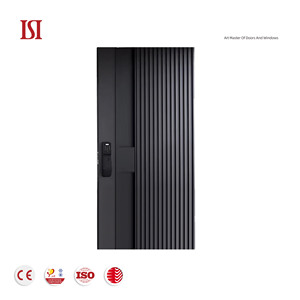
Architectural Access Control & Engineering Standards for Hotel Electronic Lock Doors
In the modern international hospitality sector, door hardware and access control infrastructure are no longer simple physical barriers; they are integral nodes within integrated building automation, guest-experience management, and life-safety ecosystems. As global hotel chains expand, property managers and construction contractors face strict criteria regarding mechanical durability, cyber-physical security, emergency egress compliance, and seamlessly connected property management software (PMS) integration. Selecting a top-tier hotel electronic lock door factory and supplier requires a holistic evaluation of physical metallurgy, lock mortise engineering, microelectronics, RF communication standards, and long-term supply chain resilience.
E-E-A-T Technical Information Gain Note
A hotel room door locking mechanism endures an average of 30 to 70 mechanical operational cycles daily—totaling over 250,000 cycles across a standard 10-year commercial refurbishment window. Inferior electronic locks with cast-zinc latches or non-isolated PCB circuitry experience failure rates exceeding 14% within the first 24 months, resulting in elevated maintenance overhead and compromised guest security. Precision engineering utilizing 304/316 investment-cast stainless steel mortises and isolated optical sensors reduces field failure to under 0.08%.
Anatomy of High-Reliability Hotel Electronic Door Locks
High-grade commercial electronic lock assemblies consist of three critical structural vectors: the exterior/interior escutcheon trim, the heavy-duty mechanical mortise, and the embedded access control PCB module.
1. Mortise Security & Emergency Egress Engineering
The mechanical mortise represents the backbone of structural physical security. Leading B2B OEM factories utilize standardized high-durability formats:
- ANSI 5-Latch Latchbolt Assemblies: Featuring an anti-friction main latchbolt, solid deadbolt, anti-pick auxiliary latch, and mechanical anti-panic egress function. When the interior lever is pressed down, both the latchbolt and deadbolt retract simultaneously—meeting NFPA 101 Life Safety Code requirements.
- EURO DIN EN12209 Standard Mortises: Designed for international architectural door profiles. Engineered with 72mm to 92mm center distances, utilizing solid 304 stainless steel deadbolts capable of withstanding lateral shear forces in excess of 10,000 N.
- Anti-EMP & Anti-Vibration Solenoid Mechanisms: High-security electronic locks feature motor-driven or clutched solenoid drives shielded against magnetic interference. This prevents illicit bypass via high-strength neodymium magnets or high-voltage Tesla coil electromagnetic pulses (EMP).
2. Metallurgy, Surface Finish & Environmental Resilience
Hotel doors operating in coastal resorts, humid tropical locations, or high-traffic urban centers demand superior surface protection against oxidation, salt fog corrosion, and abrasive wear. Premier suppliers utilize Physical Vapor Deposition (PVD) titanium plating or automotive-grade electroplated powder coatings over 304 stainless steel or forged brass substrates. Tested under ISO 9227 salt spray testing protocols for up to 960 hours, these finishes maintain optical clarity and corrosion resistance throughout extended operational lifespans.
Key Technological Vectors in Next-Gen Electronic Locks
RFID 13.56MHz Contactless
Utilizing encrypted Mifare Classic EV1 or Mifare DESFire EV2/EV3 protocols. Prevents keycard cloning while enabling multi-zone access control (guest rooms, elevators, spa, and executive lounges).
BLE 5.0 & Mobile Key Access
Supports direct-to-lock mobile key issuing via iOS Apple Wallet & Android SDKs. Low Energy Bluetooth 5.0/5.2 chips deliver ultra-fast cryptographic handshakes (< 300ms) with minimal battery drain.
Zigbee / Matter Wireless Mesh
Enables real-time online lock management. Front desks can remotely monitor room door statuses, low battery alerts, audit logs, and trigger instant guest room HVAC welcoming scenes.
Future Procurement & Tech Trends in Hotel Electronic Locks (2025–2030)
As hotel brands transition toward contactless guest journeys and automated operation, procurement managers must align their hardware specifications with upcoming technological shifts:
Trend 1: Migration to Unified Cloud PMS & Open API Architectures
Legacy standalone key card encoders are rapidly being replaced by cloud-native Access Control as a Service (ACaaS). Modern electronic lock systems feature open RESTful APIs and SDK integrations with industry-leading PMS platforms such as Oracle Opera, Mews, Cloudbeds, and Infor. Procurement decisions now prioritize locks capable of receiving over-the-air (OTA) firmware updates to continuously patch security vulnerabilities without physically replacing hardware.
Trend 2: Convergence of Energy Management (RMS) & Door Locks
With global ESG sustainability mandates taking effect, door locks serve as the initial trigger for room energy management systems (GRMS). When a guest unlocks the door via RFID or Mobile Key, the lock transmits an encrypted occupancy packet over Zigbee 3.0 or Matter protocols to activate climate control and lighting scenes. Conversely, when the room door closes and interior motion sensors detect absence, the HVAC system automatically enters eco-mode, reducing hotel energy consumption by up to 28% annually.
Trend 3: Multi-Biometric & 3D Structured Light Authentication
For boutique luxury hotels, private VIP suites, and long-stay executive apartments, biometric access is gaining traction. FPC semiconductor capacitive fingerprint sensors combined with 3D structured light facial recognition modules provide touchless, spoof-proof entry. Advanced living-body detection algorithms reject 2D photos, 3D masks, and silicone molds, elevating residential and presidential suite security to bank-vault levels.
Technical Specification Matrix: Access Technology Comparison
Below is a comparative breakdown of key electronic access technologies used in hospitality project specifications:
| Technology Platform | Primary Encryption Standard | Average Battery Life (4x AA) | Audit Trail Capacity | PMS System Compatibility |
|---|---|---|---|---|
| Standalone RFID (Mifare) | AES-128 / DESFire EV2 | 18 – 24 Months (15,000 Unlocks) | Up to 1,000 Offline Events | High (Encoder API) |
| BLE Mobile Key (Offline) | ECDSA / Asymmetric Crypto | 14 – 18 Months | Synchronized via Mobile App | Full Mobile SDK |
| Zigbee 3.0 Online Mesh | AES-128 Online Handshake | 12 – 16 Months (Real-time Pings) | Unlimited Cloud Storage | Real-time Bi-directional |
| 3D Facial + Biometric Pivot | Encrypted Neural Template | Lithium Rechargeable (8-12 Months) | Cloud + Local Flash Memory | Custom API / Smart Home |
Enterprise Advantage: Integrated Door & Hardware Engineering
Sourcing electronic locks separately from door fabricators often leads to field assembly friction—including misalignment between mortise cutouts, structural weakness in core wood/aluminum profiles, compromised thermal break insulation, and voided fire ratings. Working with an integrated manufacturer eliminates these friction points.
Crestor Engineering & Manufacturing Heritage
Founded in 1997, Crestor Door Manufacturing Co., Ltd. brings nearly 30 years of precision aluminum profile machining, thermal break structural design, and custom fenestration expertise to global B2B procurement projects.
Operating a 160,000 m² smart manufacturing base in Dongying, Shandong paired with an advanced R&D center in Beijing, Crestor controls every phase of production in-house: profile extrusion, CNC precision routing (tolerance ±0.05 mm), laser cold-welding, powder coating, low-E insulating glass processing, and final lock hardware assembly.
- 219+ Patented Technologies: Advanced laser corner welding & multi-chamber thermal break profiles.
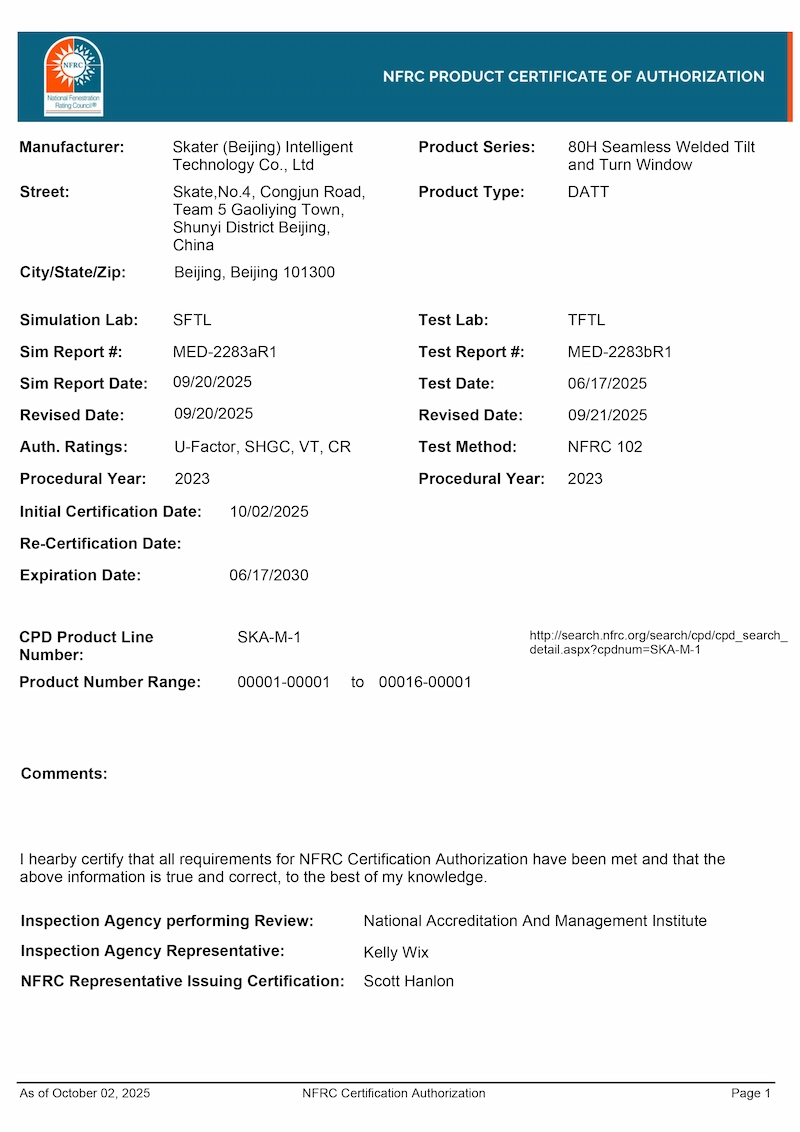
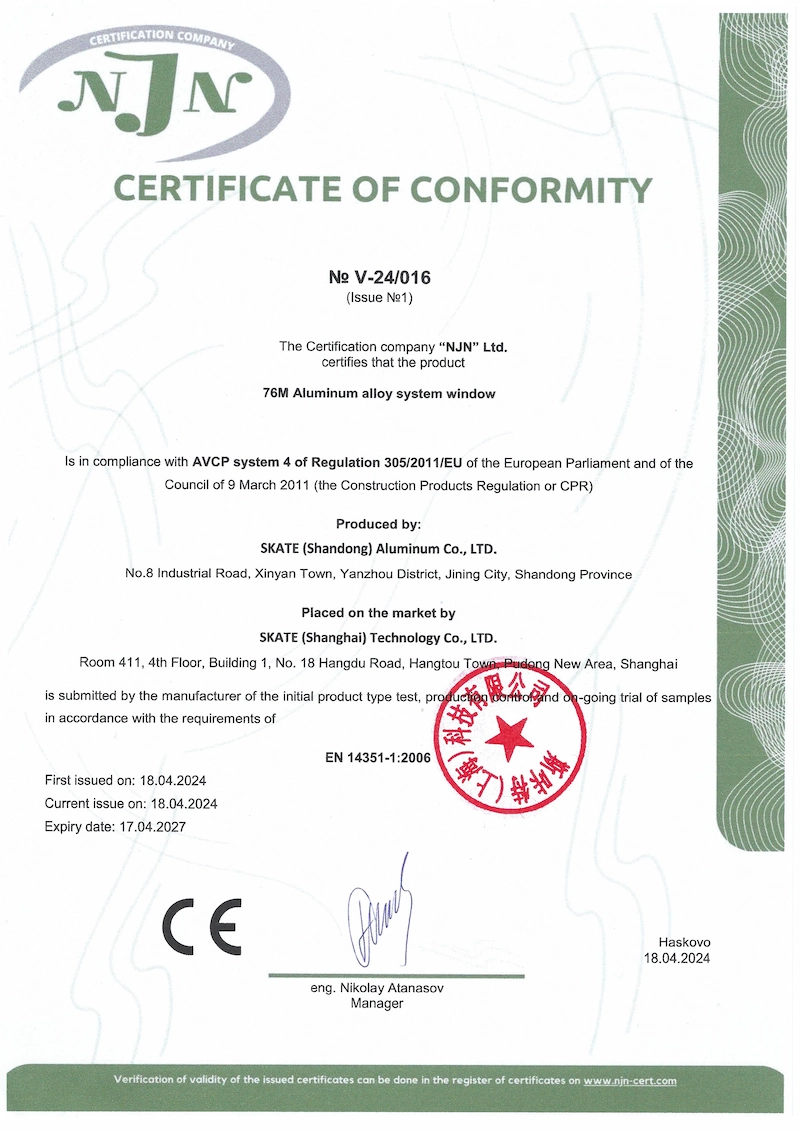
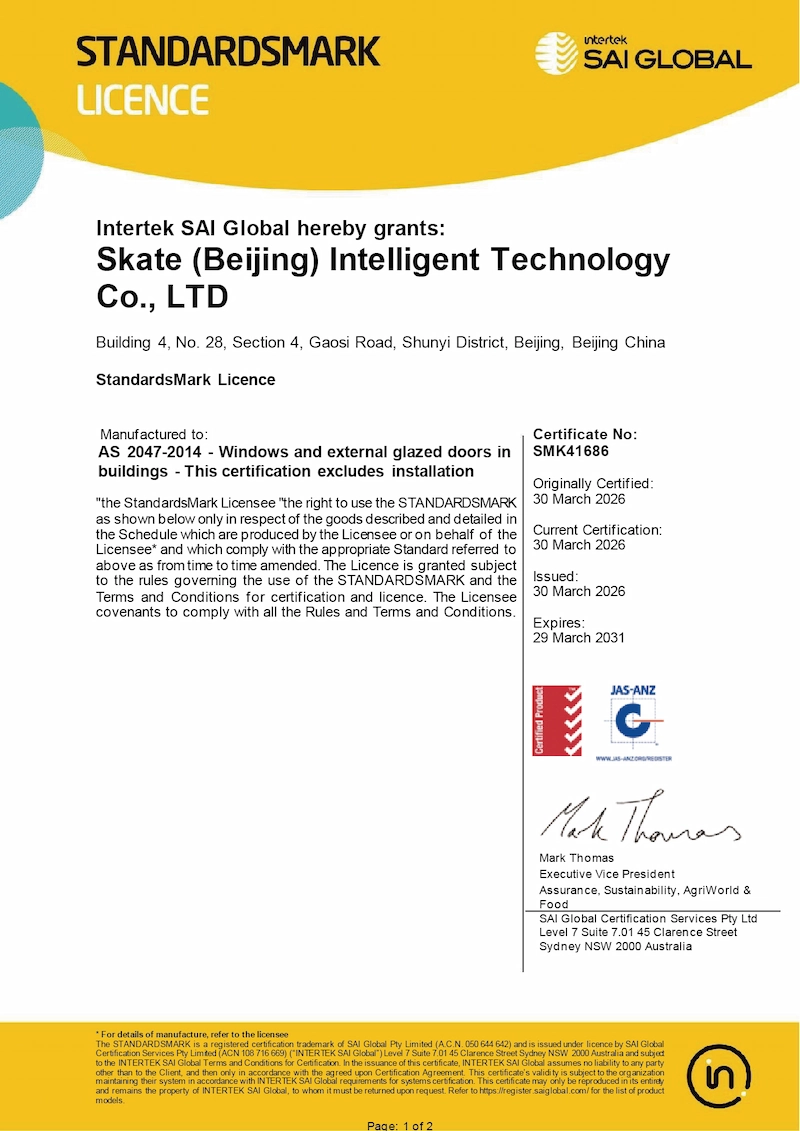
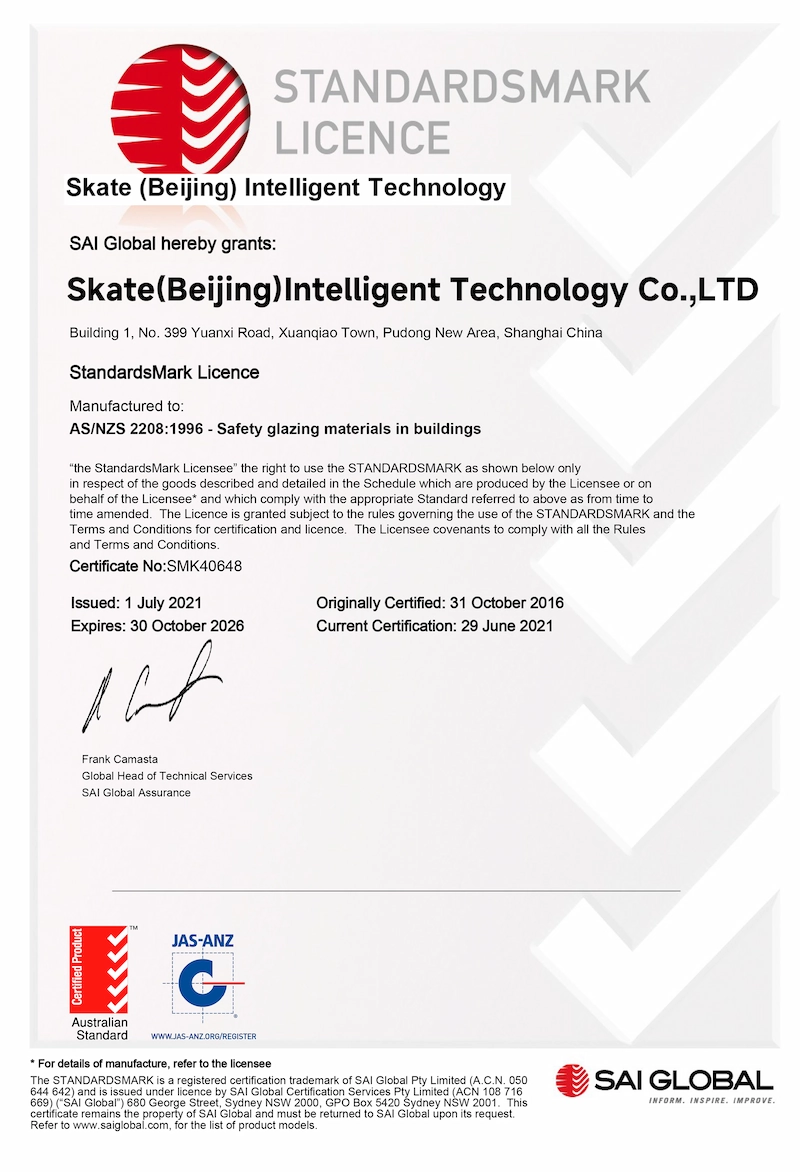
- Certified Quality Systems: AS 2047 StandardsMark™ Licence (SMK41686), ISO 9001:2015 management, CE compliance, and NFRC-ready system configurations.
- End-to-End Accountable Quality: Zero subcontracting—eliminating dimensional mismatch between lock mortises and door panels.
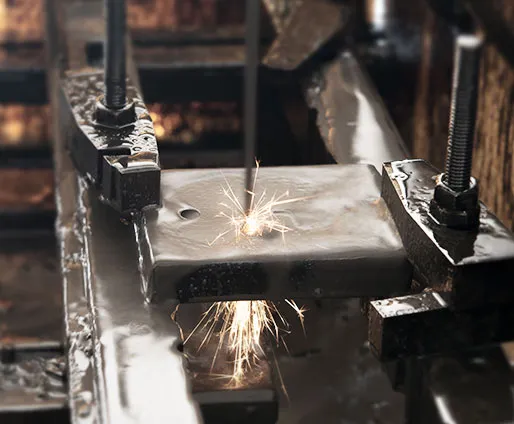
Tested & Certified Quality Management
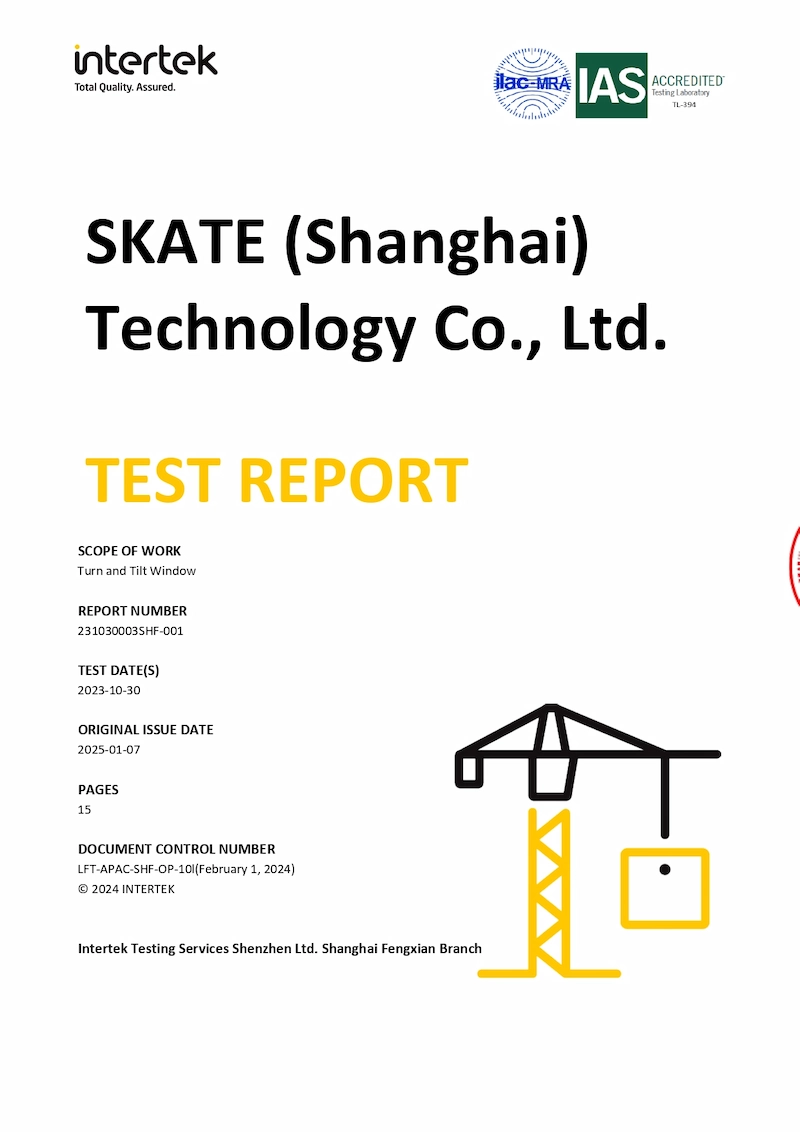
Our products and production lines undergo rigid third-party testing at national windows and door testing centers to ensure global compliance for wind pressure, water tightness, air infiltration, fire rating, and structural cycle fatigue.