High-Security Fenestration Portfolio
Featured Access Control & Entrance Door Systems
Factory-direct access-controlled entry doors engineered with reinforced 6063-T6 aluminum alloys, PA66 thermal breaks, and integrated multi-modal smart locking architecture.
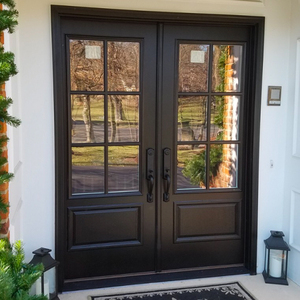
Custom Villa Main Entrance Door Aluminum Casement Door Double Tempered Glass Thermal Insulation For Front Entry Doors
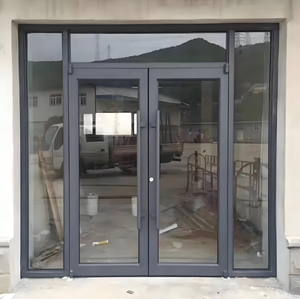
Commercial Aluminium Smart Glass Storefront Door Exterior Doors for Commercial Buildings Hurricane Impact Storefront Glass Doors
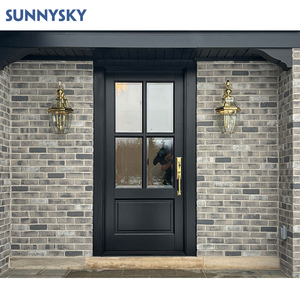
Sunnysky Modern American Design House Entrance Front Pivot Door Front Entry Pivot Doors
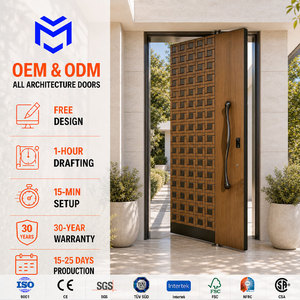
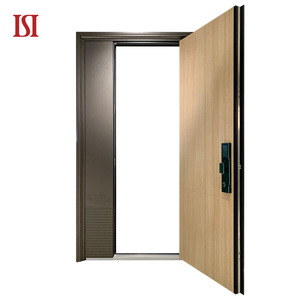
Custom Armored Modern Aluminum Wooden Home Villa Residential Entrance Security Front Entry Exterior Pivot Doors
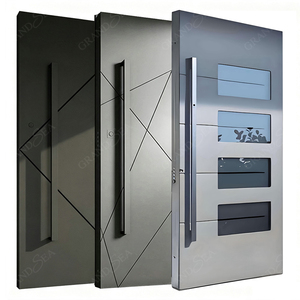
Luxury Modern American Cast Aluminum Smart Armored Entry Door High-end Security Main Entrance Door Solid Wood Pivot Front Door
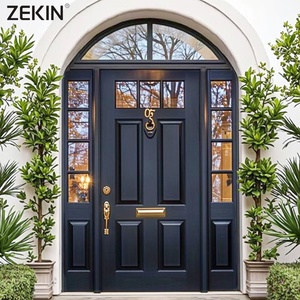
ZEKIN Customized Modern Style Aluminum Entrance Door Exterior Entry Front Solid Pivot Door for Villa Front Entry Door Smart Lock
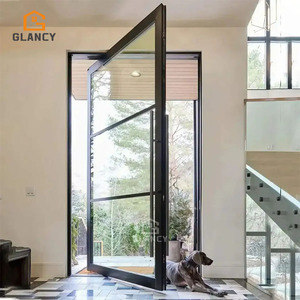
Customized Size Modern Pivot Doors Aluminium External Glass Door Single Patio Door Glass Outdoor For Houses Villa US Australia
Technical Whitepaper & Specification Benchmark
Engineering China Access Control Aluminum Doors: Architecture, Security Integration & Procurement Insights
An in-depth analysis for B2B buyers, architectural specifiers, project contractors, and commercial building developers looking to source high-grade access control entrance doors from premier Chinese manufacturers.
Structural Integrity & Material Science
The structural performance of commercial and residential access control aluminum doors relies directly on profile alloy density and wall thickness. Leading China suppliers utilize primary 6063-T6 structural aluminum profiles with wall thicknesses ranging from 2.0mm to 3.5mm for heavy-duty pivot and entrance sashes.
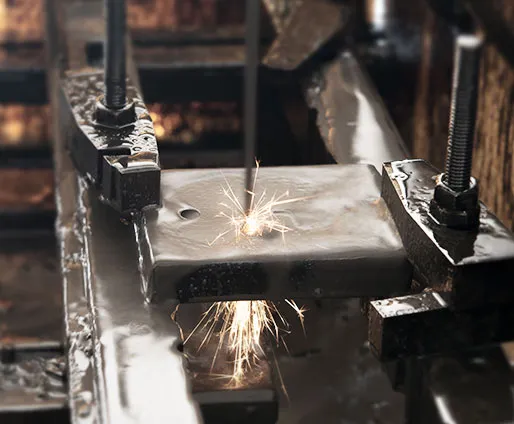
Unlike secondary recycled scrap extrusions, primary aluminum extrusions ensure uniform yield strength (≥170 MPa) and tensile strength (≥205 MPa). When paired with laser cold-welding corner assembly technology, the frame resists diagonal sagging under continuous daily usage cycles exceeding 500,000 operations.
Hardware & Access Control Protocol Convergence
Modern entrance security demands seamlessly bridging mechanical door hardware with digital access control protocols. Premier Chinese exporters configure door leafs with internal wire race conduits, concealed electrical transfer hinges, and heavy-duty electric strike or motorized drop-bolt mortise locks.
Systems natively integrate with standard B2B access control ecosystems via Wiegand, OSDP, RS485, and IP/PoE interfaces, supporting biometrics (facial recognition, fingerprint), RFID smart cards, smartphone BLE/NFC credentials, and mechanical key overrides for fire-egress safety compliance.
1997
Established Manufacturing Legacy
100,000 m²
Smart Manufacturing Base
219+
Patented Technical Solutions
5.0 kPa
Top Wind Pressure Class (GB/T 31433)
Direct Manufacturer Authority (E-E-A-T)
Why Direct Sourcing from Crestor Door Guarantees Project Precision
Crestor Door Manufacturing Co., Ltd. combines nearly three decades of fenestration engineering with fully integrated in-house manufacturing, eliminating third-party markups and quality variance.
Full In-House Industrial Loop
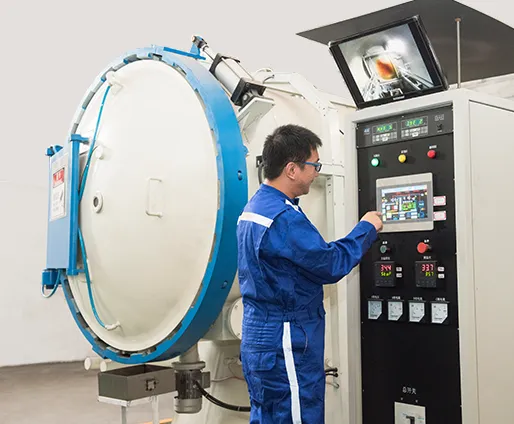
From raw aluminum extrusion machining and PVDF fluorocarbon powder coating to insulating glass unit (IGU) fabrication and final electromechanical lock assembly—all operations occur within our 100,000 m² Dongying facility.
Precision Laser Cold-Welding
Utilizing state-of-the-art CNC machining and automatic laser cold-welding corner connections to achieve seamless joints with tolerances under ±0.05mm. This prevents water penetration, frame distortion, and air infiltration.
Global Compliance & Standards
Holding AS 2047 StandardsMark™ Licence (SMK41686), ISO 9001:2015 Certification, and CE Conformity. Products can be dynamically configured for NFRC thermal standards, European CE burglar resistance (EN 1627 RC2/RC3), or Australian high-wind specifications.
Industry Innovation Horizon
2025–2030 Procurement Trends for Access Control Aluminum Doors
Key technological trajectories driving architectural specifications, energy conservation codes, and digital access control integration globally.
1. Multi-Chamber Thermal Insulation (PA66 GF25)
Energy efficiency codes in North America and Europe are demanding lower overall window and door U-factors. Future access control door systems incorporate PA66 nylon thermal break strips reinforced with 25% glass fiber, multi-chamber extrusion profiles, and aerogel insulation fills.
This configuration reduces the whole-system U-factor to ≤0.9 W/m²K, preventing thermal bridging and surface condensation even when heavy internal metal lock hardware is embedded inside the aluminum frame.
2. Invisible & Motorized Architectural Access
Architects increasingly prefer minimalist, flush-mounted facades. The market is shifting rapidly from surface-mounted magnetic locks to concealed motorized multi-point locks (e.g., electronic locking drives built directly into the sash edge).
Wiring is routed through concealed pivot hinges with built-in slip rings or flexible armored loops, protecting power and data lines from physical tampering or environmental corrosion while presenting a sleek, hardware-free exterior profile.
3. Hurricane Impact & Burglar Resistance Hybridization
Global climate change has accelerated demand for dual-performance entry systems. Exporters are combining forced-entry burglar protection (EN 1627 RC3/RC4) with hurricane impact certification (SGP laminated glass, Miami-Dade compliance).
Door leaves are equipped with multi-layer DuPont SentryGlas® interlayers and reinforced heavy-duty cast aluminum armor panels, ensuring structural integrity under wind pressures exceeding 5.0 kPa and repeated heavy object impact testing.
4. Smart Building Management System (BMS) Integration
Access control doors are no longer isolated security elements; they act as IoT edge nodes in intelligent commercial buildings. Next-generation doors integrate status sensors (reed switches, bolt position monitoring, tamper sensors) natively communicating via BACnet, Modbus, or MQTT protocols.
Facility managers receive real-time telemetry regarding door status, forced open alerts, and motorized lock cycle counts for predictive maintenance scheduling.
Performance Benchmarks
Access Control Aluminum Door Engineering Specifications Comparison
Evaluate technical parameters across standard commercial aluminum doors versus Crestor high-security thermal break access control systems.
| Performance Specification | Standard Commercial Glass Door | Advanced Access Control Thermal Door | Crestor Smart Armored Pivot Entrance System |
|---|---|---|---|
| Profile Alloy & Wall Thickness | 6063-T5 (1.4mm - 1.6mm) | 6063-T6 (2.0mm - 2.5mm) | 6063-T6 Reinforced (3.0mm - 3.5mm) |
| Thermal Insulation (U-Factor) | U ≥ 2.8 W/m²K (Non-thermal) | U ≤ 1.4 W/m²K (PA66 Strips) | U ≤ 0.9 W/m²K (Multi-chamber PA66 GF25) |
| Access Control Wiring Integration | External Conduit / Surface Strike | Internal Wire Conduit (Pre-drilled) | Concealed Armor Transfer Loop + Wire Race |
| Locking Mechanism | Single Latch / Manual Deadbolt | Electric Strike / Solenoid Lock | Motorized 5-Point Automatic Locking System |
| Wind Pressure Resistance | 2.5 kPa (Grade 4) | 4.0 kPa (Grade 7) | 5.0 kPa (Grade 9 Top Class) |
| Acoustic Insulation Rating | Rw 28 - 32 dB | Rw 35 - 38 dB | Up to Rw 44 dB (Acoustic Double IGU) |
| Water Tightness Class | 300 Pa | 500 Pa | 700 Pa (Grade 6 Top Class) |
Procurement & Technical Support FAQ
Frequently Asked Procurement Questions by Importers & Contractors
Essential technical guidance covering custom drawings, smart lock compatibility, electrical specifications, and international export logistics.
What electrical specifications and wiring diagrams are required for ordering access control doors from China?
To initiate a custom access control door build, buyers should provide voltage requirements (typically 12V DC or 24V DC, PoE, or standard AC power for motorized heavy-duty drives) and signal protocols (Wiegand, OSDP, RS485). Our engineering team prepares full CAD shop drawings detailing wire routing channels, junction box cutouts, power transfer hinge positions, and sensor locations before profile extrusion or CNC milling commences.
Can I integrate third-party access control hardware (e.g., HID, Paxton, Honeywell, Assa Abloy) with your doors?
Yes. As a full OEM/ODM factory, we design custom lock prep cutouts, strike plates, and mounting brackets tailored to your specified third-party hardware brands. Alternatively, we can supply fully assembled doors integrated with our pre-tested motorized multi-point smart lock systems featuring card readers, keypad, biometric recognition, or mobile app access.
How do China suppliers ensure thermal break performance when embedding metal lock hardware?
High-end suppliers utilize dual-isolated lock cavity designs. The lock housing is insulated from both the inner and outer aluminum skins using non-conductive PA66 polyamide insulating blocks. This prevents cold bridging through the metal lock body, maintaining high thermal efficiency (U ≤ 0.9 W/m²K) and preventing interior condensation in cold climates.
What certification documentation is provided for commercial building code compliance?
We supply comprehensive laboratory test reports from China's National Window & Door Quality Supervision Center, AS 2047 StandardsMark™ Licence (SMK41686), ISO 9001:2015 certificates, and CE conformity documentation. Upon request, products can be customized and pre-tested to meet NFRC, ASTM hurricane impact, or European EN 1627 burglar resistance standards.
What is the lead time and export packaging standard for custom aluminum access control doors?
Standard production lead time is 25 to 35 days following shop drawing approval and sample validation. All units are packaged with protective corner guards, scratch-resistant film wrap, shock-absorbing EPE foam, and loaded into sealed export-grade plywood crates or steel A-frames to prevent sea transport damage.
What is the warranty policy on electrical access control components versus aluminum frames?
We provide a 10-year structural warranty on aluminum extrusions, thermal break integrity, and surface coatings (PVDF/powder coating). Electronic components, motorized locks, power supplies, and access control accessories carry a standard 3-year replacement warranty with global technical support.
Direct Factory Engagement
Ready to Source Precision Access Control Aluminum Doors?
Submit your project drawings, BOQ, or opening specifications to Crestor Door engineering sales. Receive detailed CAD shop drawings, structural calculations, and factory-direct wholesale pricing within 24 hours.