Engineered Weather-Resistant Entry Systems
Explore our export-ready, high-performance exterior entrance configurations certified for extreme wind pressures, moisture resistance, and high-traffic residential and commercial applications.
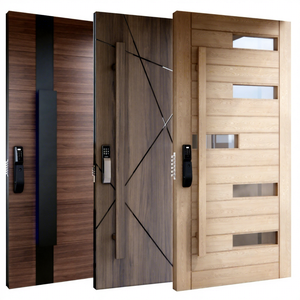
Manufacturer-direct Supply Waterproof Fire-resistant Security-rated Engineered Wood Pivot Doors for Modern Luxury Residential
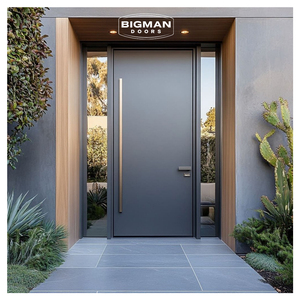
British Modern Minimalist Dark Grey Matte Security Pivot Door Heavy Metal Entry Door Anti-Theft Feature Exterior Villa Kitchen
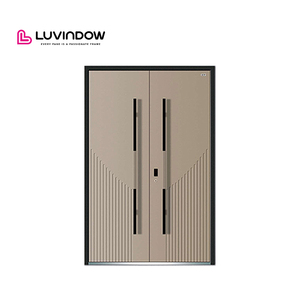
Secure Fireproof Low Maintenance 3D Engraved Aluminum Main Entrance Doors for Villa Commercial Builder Developments
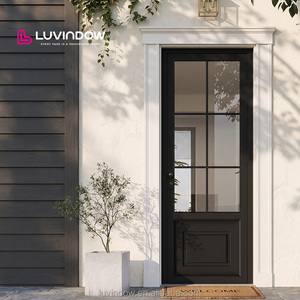
Custom Aluminum Swing Doors Energy Efficiency Double Glass Patio Door Factory Direct OEM ODM Supplier
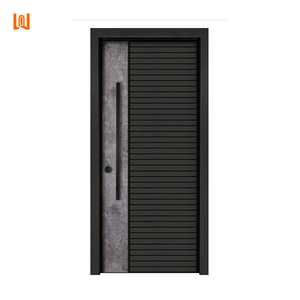
Anti-corrosion Anti-rust Houses Modern Main Gate Pivot Single Door Aluminum Main Gate Front Entry Doors Security Doors
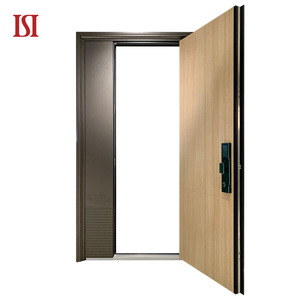
Top Brand Front Door Lock Apartment Wooden Fire Door Residential Aluminium Front Entrance Doors
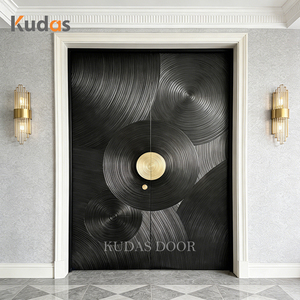
High-End Residential Luxury Artistic 3D Texture Solid Wood Double Entry Door Black Gold Design Exterior Wooden Entrance Door
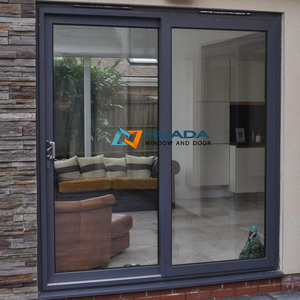
High-End Waterproof Entry Front Door Hurricane Impact Sliding Glass Windows and Doors Energy Efficient Lifting and Sliding Door
Industry White Paper: Technical Criteria for Weather-Resistant Entry Doors
In modern architectural engineering and international real estate development, entry doors represent far more than visual focal points. As the primary barrier separating exterior environmental stressors from interior conditioned spaces, an entry door system must fulfill rigorous structural, thermal, and meteorological demands. Selecting a qualified weather resistant entry door supplier requires an in-depth understanding of material science, sealing metallurgy, structural wind load performance, and water infiltration physics.
Global procurement teams, facade consultants, and master developers face escalating challenges due to extreme global climate variations. Entrance systems installed in coastal villas, high-rise luxury developments, and commercial compounds are regularly subjected to wind-driven rain, intense solar UV exposure, thermal shock, and corrosive salt air. Without advanced engineering—such as polyamide PA66 thermal breaks, multi-point lock perimeter compression, and seamless laser cold-welded jointing—standard entry doors suffer from premature seal degradation, frame warp, hardware binding, and water ingress.
Water Tightness (700 Pa)
Engineered drainage channels combined with continuous EPDM triple-gasket seals ensure zero water penetration even under severe pressure differentials during tropical rainstorms.
Thermal Insulation (U ≤ 0.9)
Multi-cavity thermal break aluminum profiles integrated with Low-E argon-filled insulating glass drastically reduce thermal bridging, satisfying net-zero energy building codes.
Structural Integrity (5.0 kPa)
Precision CNC-machined extrusions with laser-welded corner brackets absorb hurricane-force structural deflection without dynamic glass binding or frame displacement.
When auditing potential manufacturing partners, procurement directors must evaluate the factory's structural validation protocols. Certified export products undergo standard pressure chamber tests matching GB/T 31433, AS 2047, and European CE frameworks. Crestor Door Manufacturing Co., Ltd. operates in-house quality assurance loops where structural corner stability is verified to ±0.05 mm mechanical tolerance, ensuring seamless operation across decades of active service.
Future Sourcing & Architectural Trends in Exterior Entrance Systems
As global construction transitions toward sustainable building envelopes and smart automation, the door manufacturing sector is experiencing four structural shifts that B2B buyers must navigate to maintain competitive advantage:
1. Oversized Heavy-Duty Pivot Architecture
Architects are increasingly specifying floor-to-ceiling entry systems exceeding 3.5 meters in height. Modern pivot doors require engineered internal weight distribution hardware capable of supporting 400+ kg sashes while maintaining fingertip opening forces and airtight weather sealing.
2. Fluoropolymer (PVDF) & C5-M Anti-Corrosion Finish
Standard anodizing or low-grade powder coating fails within 3–5 years in coastal environments. Sourcing trends favor multi-coat PVDF and specialized anti-rust treatments verified via ISO 9227 salt spray testing for coastal villa developments.
3. Smart Access & Multi-Point Lock Convergence
Mechanical keys are rapidly yielding to concealed biometric sensors, facial recognition, and smart home automation integration. Leading exporters integrate motorized multi-point locking systems directly into thermal break door sashes without compromising air tightness.
To meet target carbon reduction directives (such as Europe’s EPBD and North America’s ENERGY STAR® updates), exterior doors must incorporate high-density polyurethane insulation cores alongside dual or triple Low-E insulated glass units (IGU). Factory-direct integration of these component systems drastically lowers project risk compared to job-site component assembly.
Material Performance Matrix for Exterior Weather-Resistant Doors
Comparative technical benchmark for project specifiers evaluating material longevity, thermal properties, and structural reliability under high environmental stress:
| Material Core Type | Wind Load Deflection | Water Tightness | Thermal Transmittance (U-Value) | Maintenance & Life Expectancy |
|---|---|---|---|---|
| Thermal Break Aluminum | Superior (5.0 kPa) | Grade 6 (700 Pa) | 0.9 – 1.4 W/m²K | Zero maintenance; 30+ year lifespan; coastal corrosion resistant. |
| Solid Hardwood / Engineered Wood | Moderate (3.0 kPa) | Moderate (350 Pa) | 1.6 – 2.1 W/m²K | Requires annual resealing/varnishing; vulnerable to humidity warp. |
| Standard Steel / Metal Sheet | High (4.5 kPa) | Low - Moderate (250 Pa) | 2.2 – 3.0 W/m²K (High thermal bridge) | Prone to rust if coating scratches; high conductive heat loss. |
| Fiberglass Composite (GRP) | Good (3.8 kPa) | Good (500 Pa) | 1.2 – 1.8 W/m²K | Durable; limited visual aesthetic customization and size constraints. |
Crestor Door Manufacturing Co., Ltd. — Factory-Direct OEM/ODM Authority
Founded in 1997, Crestor Door Manufacturing Co., Ltd. has grown over nearly three decades into a globally recognized engineering and fabrication power for architectural thermal break windows and heavy-duty entry systems. Operating a 100,000+ square meter smart manufacturing base in Dongying, Shandong, paired with an advanced R&D center in Beijing, Crestor oversees the entire value chain from aluminum extrusion profile machining to automated powder coating, insulating glass unit assembly, and rigorous export packing.
AS 2047 StandardsMark™
Licensed under SMK41686 for high-performance fenestration systems, passing Australia's most severe structural testing standards.
ISO 9001 & CE Certified
Full compliance with European CE directives and ISO 9001:2015 total quality management frameworks for consistent batch quality.
Global Export Logistics
Custom crate packaging with reinforced corner guards and anti-vibration wrapping shipped directly to project sites across USA, Europe, Australia, and the Middle East.
Frequently Asked Questions for Door Exporters & Buyers
Clear, engineering-backed answers to essential commercial and technical queries raised by architects, general contractors, and trade importers.
Ready to Elevate Your Entrance Door Specifications?
Connect directly with Crestor’s Senior Architectural Engineering Team. Submit your drawings or project specifications today for professional shop drawings, thermal calculations, and factory-direct pricing within 24 hours.
Send an Inquiry