High-Performance Architectural Door Systems
Engineered to exact global standards for high-end residential villas, modern luxury estates, and commercial building façades.
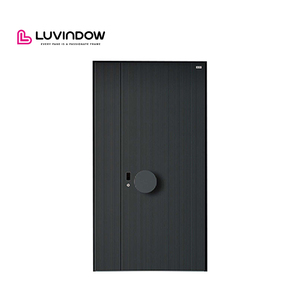
Luvindow Aluminum Doors for House Security Front Entrance Door With Smart Lock
Send an Inquiry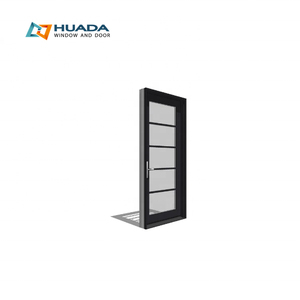
HuaDa CSA Approved Customized Casement Aluminium Alloy Glass Door Exterior Security Entrance Steel Main Doors
Send an Inquiry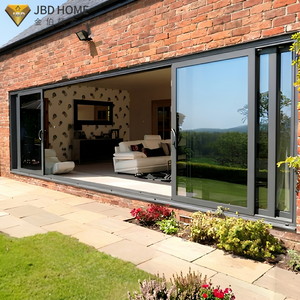
Modern Exterior 4 Panel Aluminum Sliding Glass Door Double Glazed Tempered Patio Entrance for Residential Villa Projects
Send an Inquiry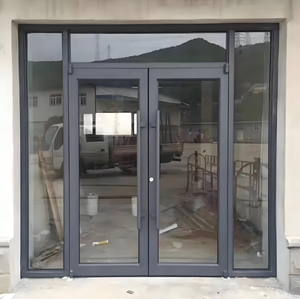
Commercial Aluminium Smart Glass Storefront Door Exterior Doors for Commercial Buildings Hurricane Impact Storefront Glass Doors
Send an Inquiry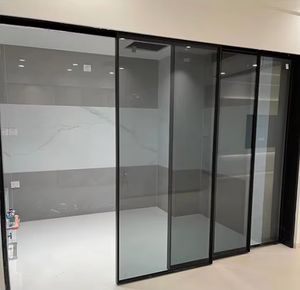
Modern Design Sliding Patio Door System Exterior Flush Aluminum Alloy Double Glazing Tempered Glass Waterproof Kitchen Door
Send an Inquiry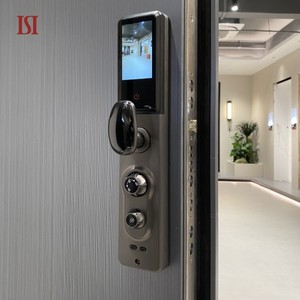
Top Brand Intelligent Fingerprint Lock Entry Metal Steel Door Fast Delivery Exterior Patio Front Security Door For Villas
Send an Inquiry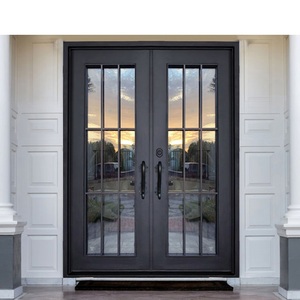
DERCHI Modern Exterior Security Metal Door Custom French Thermaly Broken Wrought Iron Double Entrance Door
Send an Inquiry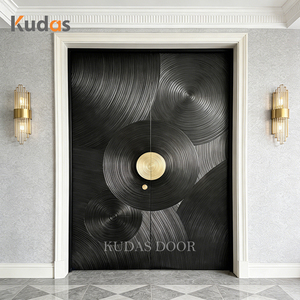
High-End Residential Luxury Artistic 3D Texture Solid Wood Double Entry Door Black Gold Design Exterior Wooden Entrance Door
Send an InquiryExecutive Engineering Breakdown: Structural Mechanics of Large-Format Pivot Entrance Systems
Analyzing weight dispersion, structural deflection, thermal insulation, and multi-point sealing dynamics in oversized architectural aluminum openings.
Architectural design trends across North America, Europe, Australia, and the Middle East have increasingly shifted toward expansive, floor-to-ceiling entrance portals. Oversized aluminum pivot doors—frequently exceeding widths of 2.5 meters and heights of 6 meters—serve as the visual focal point of modern residential and commercial structures. However, manufacturing these massive sashes introduces complex mechanical and structural challenges that conventional side-hinged or sliding doors cannot address.
Unlike traditional hinges anchored to vertical jambs, large pivot doors transfer structural loads vertically to top and bottom pivot axes. This offset rotational axis distributes massive panel deadweights (often exceeding 500 kg to 1,000 kg) directly into the floor structure. This engineering strategy mitigates frame sagging, minimizes lateral stress on peripheral aluminum extrusions, and ensures effortless rotational movement with minimal manual operational force.
At Crestor Door Manufacturing Co., Ltd., our engineering team in Beijing and our 160,000 m² smart manufacturing base in Dongying employ high-grade 6063-T6 aluminum alloys combined with heavy-duty hydraulic floor springs. This design ensures long-term operational precision, zero sash droop, and superior resistance to wind load forces up to 5.0 kPa under intense coastal weather conditions.
Structural Load Distribution & Axis Placement
By positioning heavy-duty pivot spindles at an offset ratio (typically 1/3 or 1/4 from the jamb), rotational torque is optimized. This configuration balances wind pressure resistance against operational smoothness, ensuring smooth closing dynamics via German-engineered hydraulic closers with adjustable 2-speed latching control.
Key Technical Evolution Trends in Large Aluminum Pivot Door Manufacturing
Four major engineering shifts re-defining high-end entrance portal performance and architectural capabilities.
1. Polyamide PA66 Thermal Break Systems
Historical pivot doors suffered from high thermal conductivity across expansive aluminum sashes. Modern engineered systems integrate glass-fiber reinforced PA66-GF25 thermal insulation strips. This structural break interrupts heat transfer, enabling overall door U-values as low as U ≤ 0.9 W/m²K for cold climates and green building energy compliance.
2. Biometric & Smart Motorized Integration
Sash profiles now conceal multi-point electric motorized locks. Modern door systems seamlessly integrate 3D infrared facial recognition, biometric fingerprint scanners, RFID cards, and smart-home access protocols, securing large openings with heavy-duty stainless steel shoot-bolts without compromising sleek visual aesthetics.
3. Multi-Layer EPDM Gasket Sealing
Weatherproofing expansive pivot sashes requires advanced perimeter sealing. Utilizing multi-barrier EPDM synthetic rubber seals with active pneumatic drop-down bottom seals eliminates water infiltration under wind pressures up to 700 Pa, solving traditional wind-driven rain penetration issues.
Tested Door Performance Data (GB/T 31433 & AS 2047 Verification)
Rigorous national test-center data validating mechanical strength, air tightness, and acoustic performance.
| Performance Characteristic | Laboratory Test Result | Grade Rating | Practical Architectural Benefit |
|---|---|---|---|
| Wind Load Resistance | 5.0 kPa | Grade 9 · Top Class | Resists hurricane-force winds on high-rise structures and exposed coastal villa elevations. |
| Water Tightness | 700 Pa | Grade 6 · Top Class | Prevents water ingress during extreme storm events and wind-driven rain. |
| Air Infiltration Tightness | Grade 8 | Top Class Rating | Eliminates energy-wasting drafts, meeting strict passive building standards. |
| Thermal Insulation (U-Value) | U ≤ 0.9 W/m²K | Grade 10 · High Thermal | Reduces heating and cooling HVAC loads with triple-pane Low-E insulated glass. |
| Acoustic Sound Insulation | Up to Rw 44 dB | Acoustic Shield | Dampens ambient city, airport, and highway traffic noise for quiet interiors. |
Future B2B Sourcing Trends for Global Window & Door Buyers
How real estate developers, contractors, and fenestration brands optimize supply chain value and mitigate procurement risk.
1. Strategic OEM Manufacturing
For established fenestration brands seeking offshore production scale: You supply proprietary architectural drawings and profile dies. Crestor executes precision extrusion, thermal break insertion, CNC milling, surface finishing, and assembly under strict non-disclosure IP protection agreements.
2. Turnkey ODM Catalog Solutions
For regional distributors and project developers requiring fast product launches: Select pre-engineered, certified pivot systems from Crestor’s portfolio. We customize hardware branding, glass configurations, powder coating colors, and packaging for quick market entry with reduced R&D cost.
Precision System Components Engineered Under One Roof
Complete control over every manufacturing phase ensures zero component mismatches and tight structural tolerances.
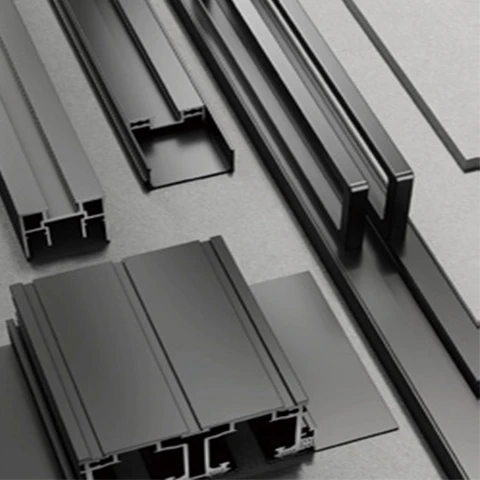
Thermal Profiles
High-tensile 6063-T6 aluminum extrusions with PA66 strips.
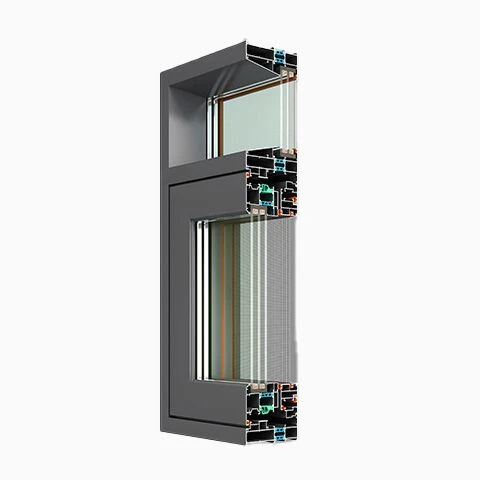
CNC Machined Frames
±0.05 mm tolerance CNC corner jointing & cold welding.
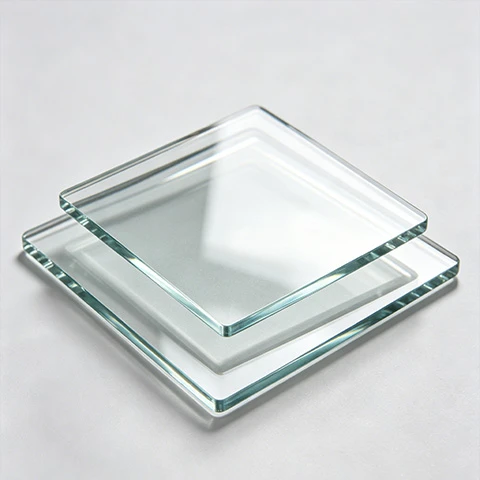
Insulated Glass
Double & triple Low-E units filled with 90%+ Argon gas.
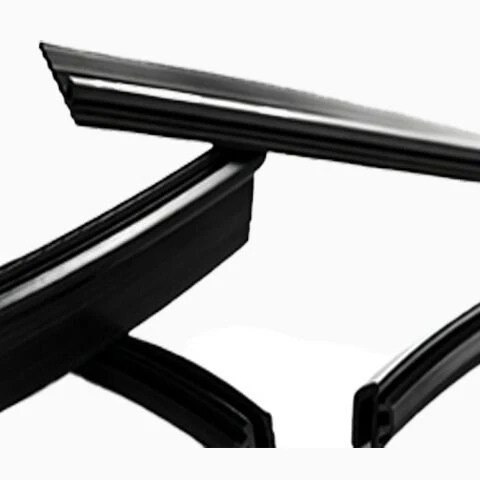
Perimeter Gaskets
Three-seal EPDM weather gaskets with active bottom seals.
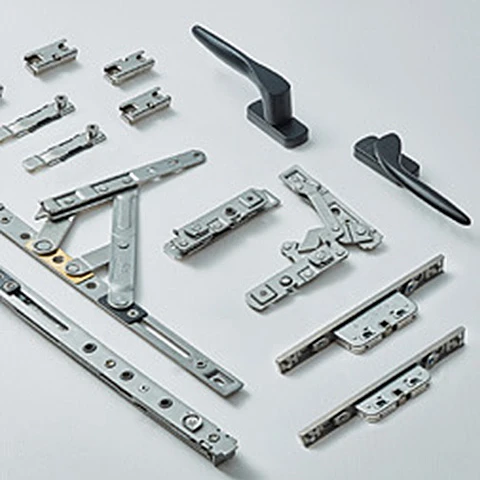
Pivot Spindles
Heavy-load floor closers rated up to 1,000 kg capacity.
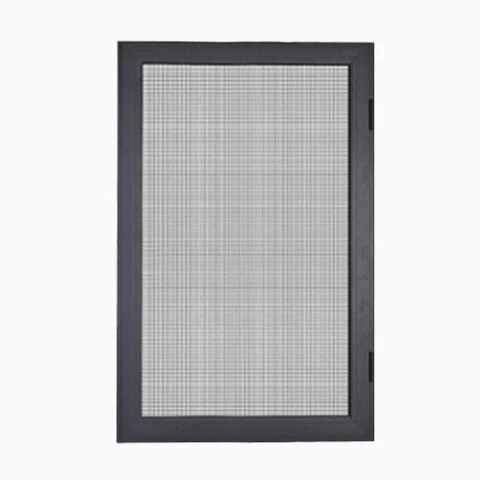
Security Hardware
Concealed multi-point motorized shoot-bolts and smart entry.
End-to-End OEM/ODM Project Execution Workflow
A transparent engineering pathway ensures smooth communication from structural CAD validation to global container delivery.
CAD & Specification
Architectural drawings, BOQ, wind load & U-value targets submitted.
Engineering Approval
Crestor engineers generate shop drawings & extrusion structural calculations.
Sample Validation
Corner sample or full-scale prototype tested for hardware & finish check.
Automated Production
In-house CNC milling, thermal break joinery, coating, and glazing.
Multi-Point Quality Control
Air/water seal check, dimensional tolerance inspection & pre-assembly.
Export Containerization
Corner guards, protective film, and reinforced wooden crate loading.
Frequently Asked Sourcing & Engineering Questions
Addressing essential technical concerns raised by architectural specifiers, importers, and global general contractors.
How do oversized aluminum pivot doors manage panel sagging over time?
Unlike standard side-hinged doors where panel weight exerts continuous pulling leverage on frame jambs, pivot doors transfer 100% of their deadweight vertically into the heavy-duty bottom pivot hardware anchored directly to the structural slab. Crestor utilizes heavy-load stainless steel floor spindles tested to support up to 1,000 kg with zero axial deflection.
Can large pivot doors meet strict hurricane impact and wind pressure codes?
Yes. Our heavy-duty pivot door sashes integrate multi-chamber extruded aluminum profiles with wall thicknesses up to 3.0 mm, combined with laminated impact-resistant glass (SGP interlayer). Tested under GB/T 31433 standards, our engineering designs withstand structural wind pressure up to 5.0 kPa, making them suitable for hurricane-prone regions.
What is the standard procedure for proprietary OEM extrusion development?
For custom OEM orders, client design teams submit CAD/STEP files. Crestor’s tooling engineers conduct Finite Element Analysis (FEA) to verify structural integrity, produce precision aluminum extrusion dies in-house, create initial sample prototypes for physical validation, and lock down exclusive IP manufacturing rights under non-disclosure agreements.
How are expansive glass panels packed to prevent international sea freight damage?
Every oversized unit undergoes full export packaging: aluminum frames are wrapped with protective anti-scratch film and impact-resistant corner guards. Glass units are packed inside fumigated IPPC-certified solid wooden crates lined with high-density EVA shock-absorption foam, ensuring zero movement during long-distance ocean transport.