Architectural Keyless Aluminum Front Door Series
Engineered with thermal break PA66 polyamide profiles, anti-corrosion finishes, and integrated smart access hardware for luxury residential villas and commercial entrances.
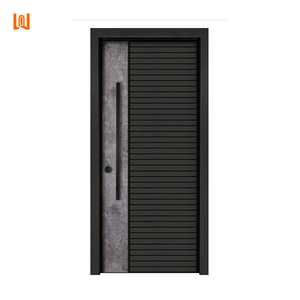
Anti-corrosion Anti-rust Houses Modern Main Gate Pivot Single Door Aluminum Main Gate Front Entry Doors Security Doors
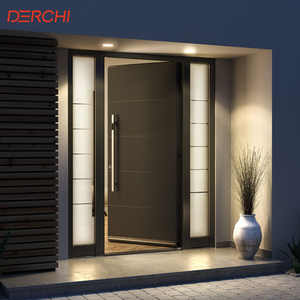
Smart Aluminum Entry Door Front Door Exterior Security Door with Keyless Entry for Homes and Villas
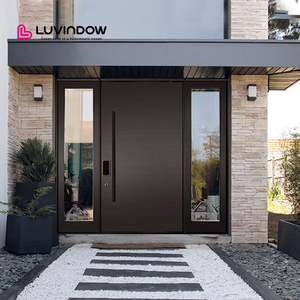
Modern Residential Villa Thermal Insulation Aluminum Entrance Doors with Smart Lock
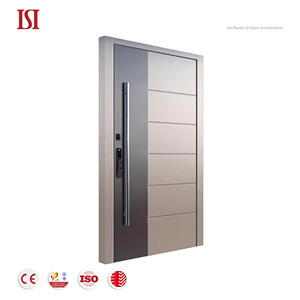
Contemporary Aluminum Alloy Double Door Modern Security Entry Front Exterior Entrance For Homes Soundproof Decorative For Villas
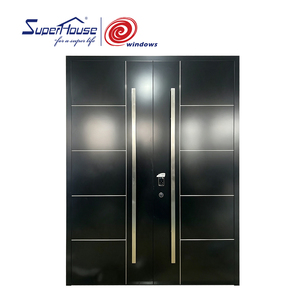
Modern Style Aluminum Double Entry Door Custom Design Exterior Front Door With Smart Lock Long Pull Handle for Luxury Villa
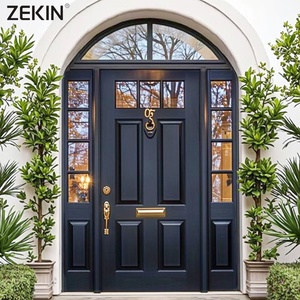
ZEKIN Customized Modern Style Aluminum Entrance Door Exterior Entry Front Solid Pivot Door for Villa Front Entry Door Smart Lock
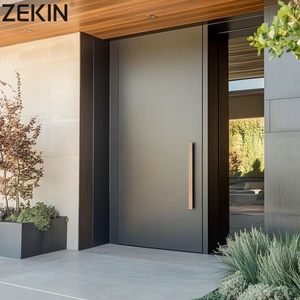
ZEKIN Outdoor Back Painted Glass Anti-theft Exterior Security Aluminum Cast Pivot Door Sound Insulation Front Entry Main Doors
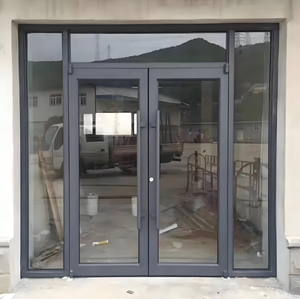
Commercial Aluminium Smart Glass Storefront Door Exterior Doors for Commercial Buildings Hurricane Impact Storefront Glass Doors
Why Importers & Developers Partner With Crestor
Combining nearly 30 years of fenestration engineering, integrated profile extrusions, and certified quality management systems to support global OEM and ODM brand deployment.
As a global OEM/ODM keyless entry aluminum front door manufacturer, Crestor Door Manufacturing Co., Ltd. operates a vertically integrated production model. Unlike assembly-only suppliers that source third-party profiles and components, Crestor conducts profile machining, automated powder coating, insulating glass processing, and final smart hardware calibration entirely in-house across our 100,000+ square-meter Dongying manufacturing base. Headquartered with an R&D center in Beijing, Crestor brings system-brand structural integrity to factory-direct contract manufacturing.
Architectural entrance portals are the primary point of thermal loss, structural load bearing, and security enforcement in high-end residential and commercial facades. To satisfy international building codes—including Australian AS 2047 (StandardsMark Licence SMK41686), European CE compliance, ISO 9001:2015 quality frameworks, and North American NFRC target standards—Crestor front door systems utilize 6063-T6/6060-T66 grade aluminum extrusions combined with glass-fiber reinforced polyamide (PA66 GF25) thermal break strips.
Laser Cold-Welding Jointing
Seamless corner welding eliminates visible joint lines, increases structural corner rigidity by 350%, and prevents water ingress at sash frame joints under severe storm pressures.
±0.05 mm CNC Precision
Fully automated 5-axis CNC machining centers ensure exact mortise lock routing, hinge recessing, and gasket channel slotting, maintaining tight tolerances for smooth smart-lock operation.
AAMA 2605 Surface Finishes
Advanced PVDF fluoropolymer coating and anodizing treatments deliver superior UV resistance, salt-spray anti-corrosion performance (3000+ hours), and color fastness in severe coastal climates.
Engineering & Development Trends in Smart Entrance Doors
Key technological shifts shaping the procurement and manufacturing of keyless aluminum architectural entrance portals over the next decade.
Biometric & IoT Ecosystem Convergence
Modern door designs are shifting from standalone keypads to fully integrated smart access modules. Advanced 3D structured-light facial recognition, semiconductor fingerprint sensors, and Apple HomeKey / Matter-protocol wireless connectivity are now concealed directly inside the aluminum profile wall or ergonomic pull handles.
Ultra-Low U-Value Thermal Envelopes
With energy codes tightening globally (e.g., California Title 24, European EPBD), entrance door assemblies require multi-chamber thermal barrier profiles filled with high-density polyurethane (PU) foam insulation cores, achieving overall door thermal transmittance values of U ≤ 0.8 to 0.9 W/m²K.
Large-Format Heavy-Duty Pivot Portals
Architectural preference for luxury residential entrances favors oversized single pivot sashes reaching heights of 3.5 to 4.5 meters. Manufacturing these massive doors demands heavy-duty floor spring pivot hardware capable of supporting up to 500kg sash weight while maintaining effortless fingertip operation.
Future Sourcing & Procurement Trends (2025–2030)
Strategic considerations for real estate developers, window brand owners, and building material wholesalers optimizing their supply chains.
The global market for architectural aluminum entrance doors is undergoing a structural shift driven by digital access standardization, climate-resilient construction, and demand for custom modular aesthetics. Sourcing managers and project directors must adapt their purchasing strategies to align with these key developments:
Rise of Private-Label (ODM) Product Lines
Distributors and regional window brands are increasingly opting for ODM contract manufacturing. By leveraging pre-tested structural designs, AS 2047 / CE certified thermal break extrusions, and customized private-label packaging, buyers drastically reduce product development cycles and upfront mold tooling costs.
Demand for Fully Validated BIM & CAD Datasets
B2B buyers now mandate complete shop drawings, BIM Revit objects, structural wind load calculation reports, and thermal modeling data before issuing purchase orders. Importers require manufacturers with in-house engineering teams capable of rapidly issuing technical submittals for architect sign-off.
Stringent Anti-Theft & Hurricane Certification
Commercial and residential developers in storm-prone and high-density urban markets demand multi-point locking mechanisms certified to European RC2/RC3 burglar resistance standards and hurricane-impact laminated safety glass compliant with Florida Building Code / ASTM E1996 standards.
Tested Architectural Performance Benchmarks
Verified laboratory test results evaluated under GB/T 31433, AS 2047, and international window testing standards.
| Performance Parameter | Laboratory Test Value | Certified Grade Classification | Engineering Benefit & Application |
|---|---|---|---|
| Wind Load Resistance | 5.0 kPa | Grade 9 (Top Tier) | Engineered for extreme coastal wind pressures and high-rise luxury residential towers without structural profile deflection. |
| Water Tightness | 700 Pa | Grade 6 (Top Class) | Prevents water penetration during driving rainstorms through triple-gasket EPDM sealing and continuous corner cold-welding. |
| Air Infiltration Tightness | Grade 8 | Highest Standard | Eliminates energy-robbing draft leakage, preserving interior HVAC climate control and indoor comfort. |
| Overall Thermal Transmittance (U-Value) | U ≤ 0.9 W/m²K | Grade 10 (Passive House Ready) | PA66 GF25 thermal break strips combined with low-E argon-filled insulating glass minimize heat transfer in cold or tropical climates. |
| Acoustic Sound Insulation | Up to Rw 44 dB | Acoustic Rated | Dampens heavy urban traffic noise, airport proximity rumble, and ambient outdoor sounds for quiet indoor environments. |
| Anti-Corrosion Durability | 3000+ Hours Neutral Salt Spray | AAMA 2605 Compliant | PVDF fluoropolymer surface coating prevents chalking, peeling, and coastal salt spray degradation for over 25 years. |
B2B Sourcing, Technical & Engineering FAQ
Clear, authoritative answers addressing common queries from project buyers, importers, and original equipment manufacturers.
Q1: What technical information is required to receive an accurate OEM/ODM quotation?
To issue a comprehensive shop drawing and Bill of Quantities (BOQ) quotation, our engineering department requires your architectural floor plans, door schedule opening dimensions (width x height), preferred frame profile series (thermal break vs. non-thermal break), glass performance specifications (double/triple glazing, Low-E, acoustic laminated), and smart lock hardware requirements (biometric, RFID, keypad, or smart home app integration protocols).
Q2: Can keyless entry smart locks be customized with third-party software platforms?
Yes. Crestor integrates motorized smart locking systems compatible with major global smart access protocols, including Tuya Smart, TTlock, Zigbee 3.0, Z-Wave, Matter, and Apple HomeKit. We offer OEM electronic lock faceplate branding, custom mechanical key overrides, and API/SDK integrations for commercial hotel keyless entry systems or luxury residential developments.
Q3: What is the structural difference between OEM and ODM partnership models?
With OEM (Original Equipment Manufacturer), you provide custom profile dies, proprietary hardware schematics, and unique architectural CAD designs; Crestor manufactures strictly to your specifications under strict IP non-disclosure agreements. With ODM (Original Design Manufacturer), you select from our catalog of pre-engineered, pre-tested door systems, and Crestor customizes surface colors, glass builds, hardware finishes, and branded packaging for your fast market entry.
Q4: How does Crestor ensure corrosion resistance for door installations in marine climates?
All aluminum extrusions undergo chemical pre-treatment prior to surface coating. We apply AAMA 2605 compliant PVDF fluoropolymer coatings or high-micron anodized finishes engineered to withstand over 3000 hours of continuous salt spray testing (ASTM B117 standard). Additionally, hardware components are constructed from 316-grade stainless steel and solid brass to eliminate galvanic corrosion in coastal projects.
Q5: What compliance certifications and test reports are available for export orders?
Crestor holds an Australian AS 2047 StandardsMark™ Licence (Licence No. SMK41686) for our high-performance systems, ISO 9001:2015 quality system certification, and European CE conformity mark submittals. Complete laboratory test reports covering wind load resistance (5.0 kPa), water tightness (700 Pa), sound attenuation (Rw 44 dB), and thermal U-values are available upon request for architectural submittals.
Q6: Can I inspect full-scale physical samples prior to mass container production?
Absolutely. Crestor provides corner cross-section samples displaying thermal break profiles, internal sealing gaskets, and profile wall thickness, as well as fully functional 1:1 scale door prototypes. Prototype testing allows project engineers to verify hardware operation, biometric lock responsiveness, surface finish quality, and frame alignment prior to full factory run release.
Q7: How are heavy architectural doors packaged to prevent damage during ocean transit?
Every door unit is wrapped with protective surface scratch-resistant PE film, fitted with high-density EPE corner protectors, and sealed inside fully enclosed fumigated plywood crates compliant with ISPM-15 export regulations. Crate internals are blocked and strapped to prevent movement, ensuring zero frame warp or glass breakage during sea freight transport.
Q8: What is the standard warranty coverage for Crestor aluminum smart front doors?
Crestor provides a comprehensive warranty structure: 10 years on aluminum structural extrusions and profile integrity, 10 years on powder coating / PVDF surface finishes against peeling or chalking, 5 years on insulated glass units against seal failure, and 2 to 3 years on electronic smart lock modules and motorized hardware, backed by factory spare-parts replacement support.
6-Step Project Execution Framework
From preliminary CAD drawing review to container dispatch, every production phase is monitored via digital ERP quality management.
Inquiry & BOQ
Submit drawings, sizes, and architectural target standards.
CAD Shop Drawings
Engineers produce section details & hardware placement.
Sample Validation
Inspect corner cutaways or full-scale prototypes.
Smart Factory Run
Precision CNC machining, laser welding & assembly.
Strict IPQC & FQC
Laser dimensioning, water test & lock calibration.
Export Freight
Plywood crating & moisture-sealed container packing.
Ready to Request Engineering CAD Drawings or Catalog?
Connect directly with our senior fenestration engineers. Send your project openings or specifications for immediate technical review and factory-direct pricing.