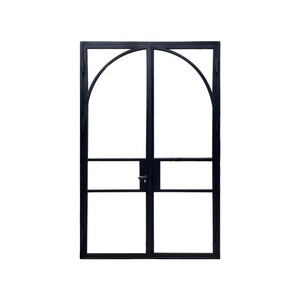
Featured Industrial & Architectural Entry Systems
Precision-machined exterior entry door configurations tested to international standards for wind resistance, thermal barrier efficiency, and forced-entry protection.
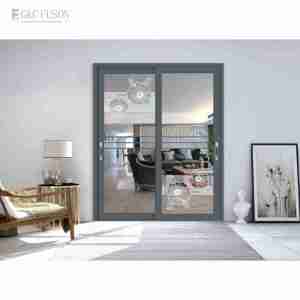
Hurricane-Resistant Aluminum Sliding Glass Patio Entry Doors
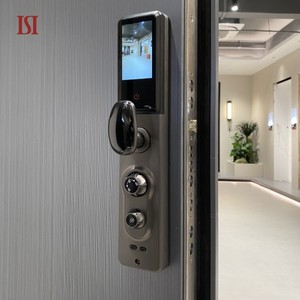
Intelligent Fingerprint Biometric Access Front Security Door
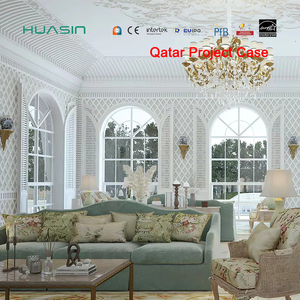
Custom Inward Opening Aluminum-Clad Architectural Entry Doors
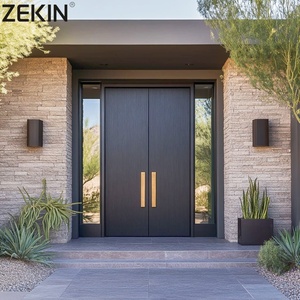
Luxury Aluminum Double House Front Entry Anti-Theft Glass Doors
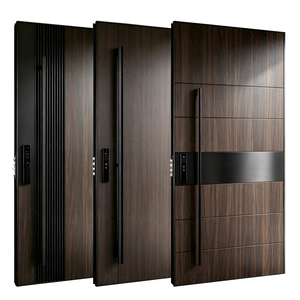
Modern Oversized Heavy-Duty Aluminum Pivot Front Entry System
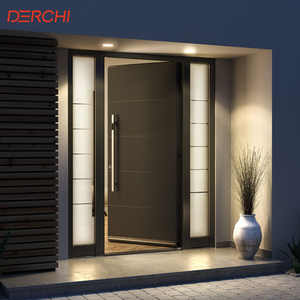
Keyless Smart Access Control Villa Exterior Aluminum Security Door
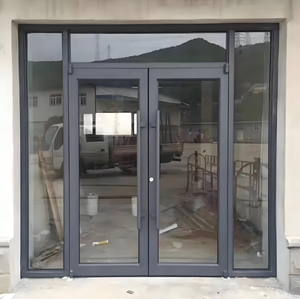
Commercial Glass Storefront Entrance System with Hurricane Impact Rating
B2B Procurement Briefing
Engineering Blueprint: Sourcing Commercial Aluminum Entry Doors
Structural Extrusions & Alloy Selection
Specifying high-performance aluminum entry doors requires a clear understanding of billet metallurgical properties. At Crestor Door Manufacturing Co., Ltd., structural profiles are extruded exclusively from primary 6063-T5 and high-tensile 6060-T66 aluminum alloys. Unlike recycled scrap aluminum which introduces trace impurities and micro-cracking during deep machining, primary billet extrusion guarantees uniform tensile strength (≥205 MPa) and yield strength (≥180 MPa).
For modern commercial projects and high-traffic luxury residential villas, wall thickness compliance is non-negotiable. Our OEM/ODM entrance systems feature structural profile wall thicknesses ranging from 2.0mm to 3.0mm, exceeding standard residential framing limits. This structural rigidity prevents frame deflection under intense wind pressures up to 5.0 kPa (Grade 9 GB/T 31433 compliance) and allows large-format glass leafs up to 1400mm x 3200mm per door sash.
Thermal Barrier Mechanics & Isotherms
The primary point of thermal loss in exterior door systems occurs across the aluminum frame profile due to high thermal conductivity. Crestor integrates continuous PA66GF25 (25% fiberglass reinforced polyamide) thermal break strips. Polyamide 66 offers a thermal expansion coefficient closely aligned with aluminum extrusions, eliminating seal degradation caused by seasonal thermal expansion and contraction.
By engineering multi-cavity thermal break structures filled with expanded polyurethane insulation cores, overall entrance system U-values are reduced to U ≤ 0.9 W/m²K. When paired with double or triple insulated glass units (IGU) featuring Argon gas fill and Low-E coatings, our entrance doors create unbroken thermal isotherms, drastically reducing building HVAC energy consumption in harsh North American and European climates.
Standardization & Quality Validation
Certified Performance Benchmarks (GB/T & International Standards)
Our aluminum entrance systems undergo rigorous validation at China's National Window & Door Testing Center. Below is verified test data for global procurement specifiers.
| Performance Metric | Tested Value / Limit | Classification Grade | Engineering Impact for Buyers |
|---|---|---|---|
| Wind Load Resistance | 5.0 kPa (Positive & Negative) | Grade 9 (Top Tier) | Prevents structural frame deformation and glass blowout in coastal hurricane regions and high-rise applications. |
| Water Tightness | 700 Pa Static Pressure | Grade 6 (Top Tier) | Prevents water penetration during severe driving rain conditions; zero internal leakage recorded. |
| Air Tightness | q1 ≤ 0.5 m³/(m·h) | Grade 8 (Maximum Seal) | Eliminates ambient draft leakage, drastically enhancing indoor acoustics and energy audit compliance. |
| Thermal Insulation (Uw) | Uw ≤ 0.9 W/m²K | Grade 10 (Passive Ready) | Meets strict Passive House and green building envelope standards (LEED / BREEAM certified projects). |
| Acoustic Sound Insulation | Rw = 44 dB Reduction | Acoustic Class A | Attenuates low-frequency city traffic noise, making it ideal for urban commercial hospitality and luxury homes. |
Market Intelligence
Procurement Trends & Technological Developments (2025–2030)
How evolving building codes, smart home ecosystems, and sustainable manufacturing are shaping the future of OEM/ODM aluminum door procurement.
1. Smart IoT Access Convergence
Modern B2B buyers are shifting away from mechanical keyways toward fully integrated smart access doors. Industrial OEM trends demand factory-embedded biometric fingerprint sensors, 3D facial recognition, facial infrared cameras, and Tuya/Zigbee smart home protocol compatibility built directly into the profile sash without external wiring boxes.
2. Oversized Modern Pivot Openings
Architectural demand is rapidly favoring oversized single-panel entry doors (up to 2000mm wide by 4000mm high). Sourcing requires heavy-duty concealed hydraulic pivot hinges capable of carrying leaf weights up to 500 kg while offering smooth 90-degree hold-open features and soft-close mechanical damper mechanisms.
3. Laser Cold-Welding Corner Joints
Traditional mechanical corner cleats and crimped joints are susceptible to long-term sagging and water seepage. The industry standard is advancing toward seamless laser cold-welding corner technology. This process fuses profile joints into a monolithic structure, increasing frame corner shear strength by over 300%.
4. High-Durability PVDF & Anodized Finishes
With environmental regulations restricting low-grade VOC paints, global buyers specify architectural-grade PVDF (Fluorocarbon) fluoropolymer coatings conforming to AAMA 2605 specifications. These finishes provide 25+ years of resistance against coastal salt spray corrosion, severe UV degradation, and chalking.
5. Decarbonized Low-Carbon Aluminum
European Carbon Border Adjustment Mechanism (CBAM) regulations require verifiable carbon tracking across supply chains. Future-proof factories utilize hydro-powered aluminum smelting billets with low embedded carbon footprints (<4.0 kg CO2/kg Al), supported by complete Environmental Product Declarations (EPD).
6. Full OEM/ODM IP Protection & BIM Integration
Procurement teams demand complete engineering BIM (Revit) integration for rapid architectural drawing approval. Furthermore, top-tier suppliers execute non-disclosure agreements (NDAs) to protect custom profile extrusion dies and proprietary hardware molds for distributor exclusivity.
Corporate Profile & Strength
Why Global Importers Partner With Crestor
Founded in 1997, Crestor Door Manufacturing Co., Ltd. combines nearly three decades of window and door engineering depth with factory-direct production scalability.
Vertical In-House Production Capabilities
Operating a state-of-the-art 100,000 m² smart manufacturing base in Dongying, Shandong, alongside our dedicated R&D innovation center in Beijing, Crestor eliminates supply chain handoffs. Every stage of manufacturing—including aluminum profile CNC machining, automatic vertical powder coating, Low-E insulating glass (IGU) processing, laser corner cold-welding, and final multi-point hardware assembly—is executed under one roof.
This vertical integration ensures absolute quality control, transparent lead times, and single-source accountability from raw extrusion billet to export-wrapped shipping crates.
Comprehensive International Certifications
Crestor operates under an ISO 9001:2015 certified quality management system. Our flagship 76M system holds an official AS 2047 StandardsMark™ Licence (SMK41686) for the demanding Australian market, alongside CE compliance certificates for European Union construction standards.
Whether your project targets North American NFRC thermal ratings, Florida hurricane impact codes, or Middle Eastern high-ambient heat resistance, our engineering team tailors glass build-ups, thermal profiles, and hardware specifications to ensure full regulatory compliance.
Frequently Asked Questions
B2B Procurement & Customization Guide
Clear, definitive answers to technical and logistical questions asked by global distributors, general contractors, and project developers.
What technical documentation is required to initiate a custom OEM/ODM door order?
To start an OEM/ODM project, you can provide CAD architectural drawings, building schedule BOQs (Bill of Quantities), or basic structural rough opening sizes. Our engineering team in Beijing will review the structural load requirements, analyze thermal target values (U-factor), select the appropriate aluminum profile series, glass sandwich build-up, and hardware layout, and return detailed 2D/3D shop drawings for your formal sign-off before manufacturing starts.
How does Crestor handle quality validation and sample inspection prior to bulk production?
We offer a two-stage sample validation protocol. Buyers can order physical profile corner samples (showing the PA66 thermal break, powder coat depth, and weatherstripping gasket lines) or order a full-size operable sample unit. Full-size sample doors allow your engineering team to verify smooth mechanical operation, latch engagement, corner cold-weld seam quality, and surface finishing prior to issuing mass production clearance.
What is the functional difference between Crestor's OEM and ODM procurement models?
Under the OEM (Original Equipment Manufacturer) model, you provide proprietary profile designs, specific custom extrusion dies, and brand hardware specifications. Crestor manufactures strictly to your exact engineering drawings with full IP non-disclosure protection. Under the ODM (Original Design Manufacturer) model, you select from Crestor's existing library of pre-tested, certified door systems (AS 2047 / CE certified), and we customize surface colors, dimensions, logo branding, and export packaging for rapid market launch.
What surface coating options and color customization processes are available?
We provide four standard architectural finish processes: (1) PVDF Fluorocarbon Coating conforming to AAMA 2605 for extreme UV and coastal weatherability; (2) AkzoNobel/Tiger Electrostatic Powder Coating in all standard RAL color codes; (3) Architectural Anodizing (Matte Silver, Champagne, Bronze, Black) resisting surface scratch damage; and (4) Italian Heat-Transfer Wood Grain Finishes for natural aesthetic warmth with aluminum durability.
How are oversized entry doors protected against damage during ocean freight shipment?
Export packing follows a rigid multi-layer protection standard. Every door unit has plastic corner guards installed, followed by protective scratch-resistant film wrap. Door frames and glass sashes are packed inside fully enclosed fumigated plywood crates or loaded onto heavy-duty steel A-frames with foam separation pads. Shipments are air-bag braced inside 20GP/40HQ shipping containers to eliminate movement and vibration during transoceanic transit.
Can smart access locks and biometric entry systems be integrated at the factory level?
Yes. Our R&D team specializes in factory hardware pre-machining and embedded installation. We integrate multi-point smart locks featuring fingerprint recognition, PIN keypads, RFID card readers, 3D facial recognition cameras, and hidden mechanical emergency keyways. Wire channels and conduit paths are CNC-milled internally within the aluminum door profile, ensuring clean aesthetics without exposed exterior wiring.
What warranties apply to Crestor's thermal break aluminum entry door products?
Crestor provides a comprehensive B2B structural warranty package: a 10-Year Limited Warranty on structural aluminum profile extrusions and frame integrity, a 10-Year Warranty against seal failure and interior fogging on insulated glass units (IGU), a 10-Year Warranty on PVDF surface coatings against cracking or excessive color fading, and a 5-Year Warranty on multi-point hardware assemblies.
Ready to Engineer Your Custom Aluminum Entry Door Lineup?
Consult with Crestor's senior engineering sales team today. Send us your project drawings, BOQ specifications, or target market standards for rapid quotation and CAD support.