Engineered OEM/ODM Aluminium Entry Door Solutions
Explore our export-certified primary entrance door systems engineered for luxury villas, commercial developments, and high-security residential projects worldwide.
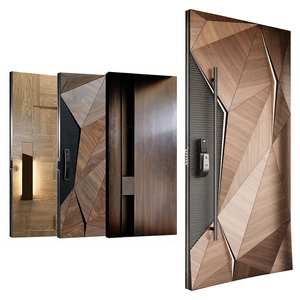
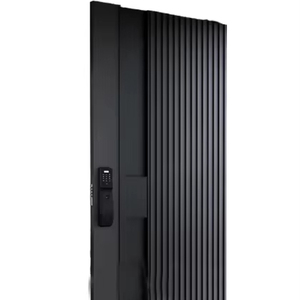
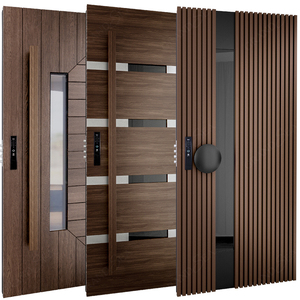
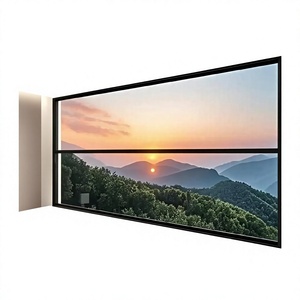

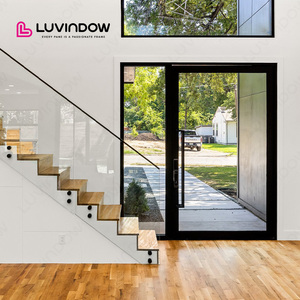
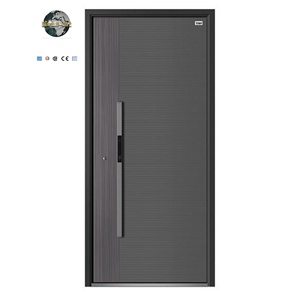
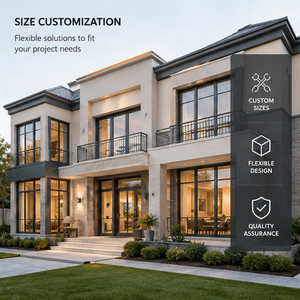
Architectural Aluminum Entry Door Systems: Procurement & Engineering Guide
In modern architectural design, the primary entrance door serves as the structural focal point of exterior building envelopes. For international B2B buyers—including real estate developers, architectural specifiers, door brand owners, and main contractors—sourcing high-performance OEM/ODM aluminium entry doors requires a balance of acoustic insulation, wind load resistance, thermal efficiency, and anti-burglary engineering.
Alloy Metallurgy & Extrusion Precision
Utilizing high-purity 6063-T5 / T6 architectural aluminum extrusions featuring web thickness up to 3.0mm. Machined on 5-axis CNC centers with tolerances held within ±0.05 mm to prevent structural frame distortion under dynamic thermal pressure.
PA66 Thermal Break Architecture
Integrated Polyamide PA66GF25 (25% glass fiber reinforced) thermal insulation barriers eliminate internal condensation and reduce whole-door thermal transmittance to achieve system U-values down to U ≤ 0.9 W/m²K.
Multi-Point Security & Ballistics
Engineered with European multi-point gearboxes, anti-drill cylinder plates, and optional blast-resistant laminated safety glass assemblies (PVB/SGP interlayers), certified to European anti-burglary standard RC2 / RC3.
When selecting OEM/ODM partners, procurement teams must look beyond superficial aesthetic finishes. Frame structural integrity, corner assembly joinery (such as laser cold-welded corners versus traditional mechanical crimping), surface treatment durability under saline atmospheric stress, and verifiable test certifications represent the core parameters governing total cost of ownership and project risk mitigation.
Substantiated Engineering Footprint Since 1997
Key Product Development Trends in Aluminium Entrance Doors
The global luxury building sector is undergoing a rapid evolution driven by energy codes, smart home integration, and minimal visual intrusion. Crestor's R&D engineering division identifies four primary product development trends reshaping the industry:
1. Heavy-Duty Oversized Pivot Door Engineering
Architects are increasingly specifying grand entryways exceeding 2.5 meters in width and 6.0 meters in height. Standard butt hinges fail under these panel weights (often exceeding 400kg–500kg). Advanced aluminium pivot doors utilize heavy-duty hydraulic floor pivots with adjustable closing speeds, 90-degree hold-open functions, and soft-closing dampers. The frame load is transferred directly to the structural slab, allowing effortless finger-touch operation despite massive door mass.
2. Electromechanical & Biometric Smart Access Integration
Mechanical keys are rapidly giving way to concealed smart lock actuators integrated directly within the door profile sash. Modern OEM/ODM entry doors feature flush-mounted biometric fingerprint scanners, 3D facial recognition cameras, motorized multi-point locking latches, and encrypted Bluetooth/Wi-Fi modules compatible with commercial building automation protocols (KNX, Crestron, Control4).
3. Ultra-Low Thermal Transmittance (Passive House Standard)
Stringent carbon-reduction mandates across North America and Europe require whole-door heat transfer coefficients of U < 0.8 W/m²K. Achieving this performance demands warm-edge spacer technology, triple-pane Low-E insulated glass units (IGU) filled with 95% argon gas, and multi-cavity thermal break extrusions filled with expanded polyurethane (PU) or aerogel insulation strips.
4. Coastal Marine-Grade Coating Standards
Salt spray corrosion presents a severe operational risk for seaside luxury villas and hotels. Next-generation entry doors employ PVDF fluorocarbon coatings (complying with AAMA 2605 specifications) or anodic oxidation treatments exceeding 25 microns. These treatments withstand 3,000+ hours of continuous salt spray testing (ASTM B117) without chalking, color fading, or filiform corrosion.
Future B2B Procurement Trends for Exporters & Buying Groups
Global supply chain dynamics have reshaped how importers, hardware distributors, and facade contractors approach primary door procurement from Chinese original equipment manufacturers (OEMs):
ESG & Carbon Footprint Tracing
International buyers now demand Environmental Product Declarations (EPD) verifying the carbon intensity of raw aluminum billets. Sourcing recycled aluminum (low-carbon green aluminum produced via hydroelectric power) has become a primary requirement for winning municipal and high-tier commercial construction tenders under EU CBAM frameworks.
BIM & Digital Twin Integration
Importers require suppliers to provide fully parametric Revit BIM (Building Information Modeling) objects at LOD 300/400 detail. Having pre-configured BIM models accelerates architectural specification approvals and ensures seamless integration with general contractor BIM workflows.
Modular Pre-Hung Delivery Systems
On-site labor costs in North America, Western Europe, and Australia continue to surge. Procurement teams favor pre-assembled, pre-hung entrance door systems with factory-calibrated frames, pre-installed smart hardware, and standardized sub-frame fixing clamps that cut field installation time by up to 40%.
Verified Technical Performance Metrics (GB/T 31433 & International Standards)
Crestor products are independently tested at national window and door testing centers. The table below details our system performance benchmarks evaluated against international standard requirements:
| Performance Parameter | Tested Value / Result | Certified Grade | Engineering Significance for Buyers |
|---|---|---|---|
| Wind Pressure Resistance | 5.0 kPa | Grade 9 (Top Class) | Resists structural deflection under typhoon-force winds; ideal for high-rise commercial entryways and exposed coastal villas. |
| Water Tightness | 700 Pa | Grade 6 (Top Class) | Prevents water ingress during extreme driven-rain conditions, protecting interior wooden flooring and wall finishes. |
| Air Tightness | Grade 8 | Grade 8 (Top Class) | Minimizes uncontrolled air infiltration, drastically lowering building heating/cooling energy loads and eliminating drafts. |
| Thermal Transmittance (U-Value) | U ≤ 0.9 W/m²K | Grade 10 (Top Class) | Provides high thermal barrier performance matching strict Passive House energy efficiency goals. |
| Acoustic Insulation Rating | Up to Rw 44 dB / STC 42 | High Acoustic Class | Dampens ambient city noise, traffic rumble, and aircraft noise for luxury residential environments and hotel main lobbies. |
| Operational Durability Test | 100,000 Continuous Cycles | Commercial Heavy Use | Ensures pivot hinges, lock gearboxes, and multi-point rollers operate smoothly throughout high-traffic building lifespans. |
Why Partner with Crestor Door Manufacturing Co., Ltd.
Founded in 1997, Crestor Door Manufacturing Co., Ltd. operates a 160,000 m² total manufacturing area with its specialized R&D center located in Beijing and smart production base in Dongying, Shandong. Employing over 200 engineers, technicians, and skilled craftsmen, Crestor manages every stage of production in-house—from raw profile machining and electrostatic powder coating to insulating glass processing and final frame assembly.
Laser Cold-Welding Corner Technology
Unlike conventional manufacturers relying solely on mechanical corner cleating, Crestor utilizes proprietary laser cold-welding corner technology. This achieves molecular fusion at profile corner joints, providing superior frame diagonal rigidity, preventing sash sag over time, and completely eliminating seam leakage at corner connections.
Global Certification & Compliance
Crestor systems are fully tested and certified for international export markets. Our flagship 76M system holds an official AS 2047 StandardsMark™ Licence (SMK41686) for the Australian market, while our manufacturing processes operate under certified ISO 9001:2015 quality management systems with full CE conformity for European projects.
Frequently Asked Questions for B2B Importers & Specifiers
Clear, direct answers regarding custom engineering, minimum orders, sample validation, and export packaging protocols.
What technical documentation is required to initiate an OEM/ODM entrance door quotation?
How does Crestor manage Intellectual Property (IP) protection for custom OEM door designs?
What is the standard procedure for sample validation prior to mass production?
What are the key differences between Crestor's OEM and ODM service pathways?
How are heavy aluminium entry doors packed to prevent freight damage during ocean transit?
What warranty coverage is provided for Crestor commercial entrance door systems?
Ready to Partner with a Certified Aluminium Door Manufacturer?
Send your project blueprints, BOQ schedules, or OEM specifications directly to our senior engineering team for technical evaluation and factory-direct pricing.
Inquire Now