Precision-Engineered OEM Architectural Door Systems
Custom manufactured to global standards (AS 2047, NFRC, CE, ISO 9001) for luxury residential and commercial projects.
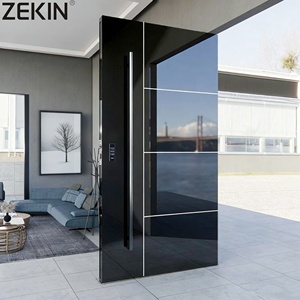
ZEKIN Modern Design Luxury Security Pivot Door with Smart Locks for Home
Send an Inquiry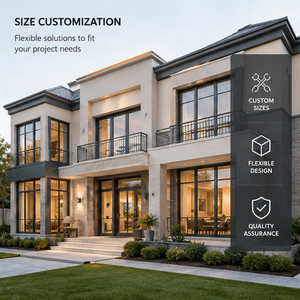
Bespoke Aluminum Entrance Doors And Window Systems For Commercial Buildings & Hospitality
Send an Inquiry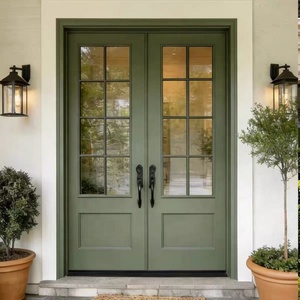
Factory Outlet Aluminum Main Swing Double Entry Security Door With Laminated Glass Panel
Send an Inquiry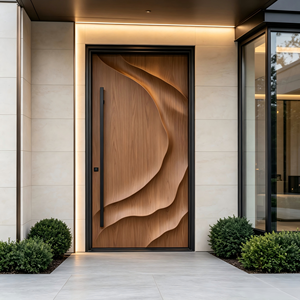
American Style Oversize Aluminum Pivot Door with 3D Fluid Wave Carving for Luxury Villa
Send an Inquiry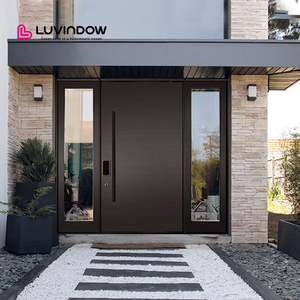
Modern Residential Villa Thermal Insulation Aluminum Entrance Doors with Smart Lock
Send an Inquiry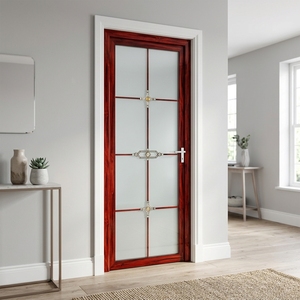
Commercial Waterproof Anti-Corrosion Aluminum Interior Bathroom & Security Door
Send an Inquiry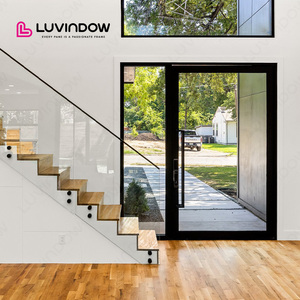
Modern Main Entrance Heat-Insulated Aluminum Double Glazed Laminated Glass Pivot Door
Send an Inquiry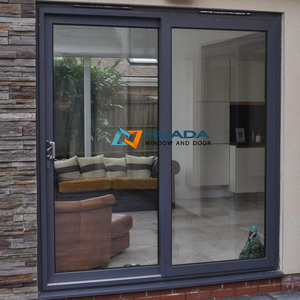
High-End Hurricane Impact Sliding Laminated Glass Door & Lifting Patio Door System
Send an InquiryFactory-Direct Structural Manufacturing Excellence
Integrated supply chain from aluminum extrusion, CNC thermal break processing, and PVB/SGP glass lamination to final factory delivery.
In-House Complete Production
Profile machining, automated powder coating, insulating glass unit (IGU) processing, and assembly occur within our 100,000+ m² Dongying factory, eliminating middleman markups and securing single-point quality accountability.
Laser Cold-Welding Precision
Utilizing high-precision CNC machining (±0.05 mm tolerance) combined with laser cold-welding corner technology, our frames achieve seamless corner joints that permanently eliminate water penetration and structural racking.
Certified Global Compliance
Backed by Australian AS 2047 StandardsMark™ (Licence SMK41686), ISO 9001:2015 quality assurance, and European CE conformity. Tested to withstand extreme acoustic, thermal (U ≤ 0.9 W/m²K), and hurricane impact pressures.
1. The Engineering Dynamics of OEM Custom Laminated Glass Aluminum Doors
In high-end architectural engineering, specifying exterior entrance doors, oversized pivot systems, and commercial fenestration requires a rigorous balance of structural safety, thermodynamic insulation, and aesthetic elegance. Custom OEM Laminated Glass Aluminum Door Manufacturers play a pivotal role in bridging architectural vision with structural compliance. By integrating heavy-duty 6063-T6 aluminum extrusions with advanced laminated safety glass, modern factories deliver entrance systems that withstand extreme weather, security threats, and acoustic interference.
Unlike standard tempered single- or double-glazed fenestration, laminated glass comprises two or more glass plies permanently bonded together under high heat and pressure using an engineered polymer interlayer—most commonly Polyvinyl Butyral (PVB) or SentryGlas® (SGP) ionoplast interlayers. When integrated into thermal-break aluminum profile frameworks, these doors achieve unparalleled structural integrity and security performance.
Key Architectural Benefits of Structural Laminated Glazing:
- Impact & Hurricane Resistance: SGP structural interlayers provide up to five times the tear strength and 100 times the rigidity of conventional PVB, ensuring the glass pane remains intact within the aluminum frame even when fractured by flying storm debris or forced entry attempts.
- Acoustic Isolation (Rw Performance): Laminated glass acts as an acoustic damper, breaking up sound wave transmission across middle-to-high frequencies. When combined with argon-filled insulating glass units (IGUs), sound dampening performance reaches up to Rw 44 dB.
- UV Degradation Prevention: Standard PVB interlayers filter out up to 99% of harmful ultraviolet radiation, protecting interior flooring, artwork, and furnishings from premature fading.
- Forced-Entry Security: Multi-layer laminated security glass resists repeated blows from heavy tools, making it the benchmark specification for high-security villa front entries and commercial building envelopes.
2. Aluminum Metallurgy & Thermal Isolation Engineering
The structural backbone of any high-performance door system is its aluminum frame profile. At Crestor Door Manufacturing Co., Ltd. (operating advanced manufacturing facilities in Dongying, Shandong, and R&D in Beijing), profile engineering focuses on solving the fundamental physical challenge of metal conductivity: thermal bridging.
Aluminum possesses high thermal conductivity. To meet stringent green building energy codes (such as Passivhaus targets, US NFRC mandates, and Australian NCC standards), modern OEM doors utilize multi-chambered polyamide thermal break strips made of PA66GF25 (25% glass fiber reinforced polyamide 66). These structural thermal breaks effectively sever the conductive path between the exterior and interior aluminum extrusions.
Quantitative Performance Benchmark Matrix
| Performance Parameter | Crestor OEM System Tested Value | GB/T 31433 & ASTM Grade | Engineering Benefit to Buyers |
|---|---|---|---|
| Wind Load Resistance | 5.0 kPa (5000 Pa) | Grade 9 (Top Class) | Withstands wind forces on high-rise building facades and hurricane-exposed coastal developments. |
| Water Tightness | 700 Pa | Grade 6 (Top Class) | Prevents moisture ingress during severe wind-driven rainstorms, protecting building interiors. |
| Air Tightness | Grade 8 Certified | Top Tier | Minimizes air infiltration, drastically lowering HVAC cooling and heating load requirements. |
| Thermal Insulation (U-Value) | U ≤ 0.9 W/m²K | Grade 10 (Ultra Low) | Exceeds strict energy efficiency requirements for luxury villas and zero-emission buildings. |
| Acoustic Insulation | Rw up to 44 dB | Acoustic Class | Creates silent indoor environments for luxury hotels, commercial offices, and urban residences. |
3. Global Sourcing & Future Procurement Trends (2025–2030)
As international construction markets evolve under the pressure of decarbonization, rising labor costs, and elevated safety regulations, procurement directors, contractors, and fenestration distributors are adjusting their sourcing strategies. Key trends shaping the future of global custom door procurement include:
Trend 1: Demand for Oversized "Invisible Frame" Architectural Door Systems
Modern architectural design continues to favor floor-to-ceiling glass expanses that seamlessly blend indoor and outdoor living spaces. Sourcing directors are prioritizing OEM factories capable of producing oversized structural pivot doors and heavy-duty lift-and-slide doors with sash weights exceeding 400 kg—demanding specialized heavy-duty European hardware and reinforced structural corner joinery.
Trend 2: Direct-from-Factory Custom OEM & Private Label Solutions
To reduce supply chain complexity, international fenestration brands are shifting from localized frame fabrication to direct factory OEM/ODM partnerships. Subcontracting production to established manufacturers like Crestor—which possesses nearly 30 years of expertise and 219+ patented technologies—allows distributors to launch proprietary, pre-tested door lines without capital-intensive machinery investments.
Trend 3: Smart Hardware & Mechatronic Locking Integration
Luxury residential projects increasingly require seamless integration of biometric access control, motorized pivot operators, and smart home automation within aluminum door frames. Modern OEM factories must provide pre-machined wiring channels, hidden magnetic sensors, and multi-point smart mortise locks straight from the assembly line.
Trend 4: Sustainable Sourcing & Low-Embodied Carbon Extrusions
Global building certifications (LEED, BREEAM, Green Star) are putting strict scrutiny on the carbon footprint of building materials. Sourcing from factories that utilize hydro-powered raw aluminum billet extrusion, recyclable PA66 thermal barriers, and zero-VOC architectural powder coatings (such as AkzoNobel or PPG fluorocarbon PVDF) has become a key competitive differentiator.
Frequently Asked Sourcing & Engineering Questions
Clear, direct technical answers for architects, buyers, and global procurement managers.
What technical specifications are required to begin a custom OEM aluminum door order?
Why choose SGP laminated glass over standard PVB laminated glass for custom aluminum entrance doors?
How does your factory ensure anti-corrosion performance for coastal building projects?
What is the structural difference between your OEM and ODM production models?
What quality assurance checks are executed before export container loading?
How do your thermal break doors assist in meeting zero-energy building codes?
About Crestor Door Manufacturing Co., Ltd.
Founded in 1997, Crestor Door Manufacturing Co., Ltd. has grown over nearly three decades into a leading global manufacturer of thermal break aluminum window and door systems. Combining state-of-the-art R&D facilities in Beijing with a massive 160,000 m² smart manufacturing base in Dongying, Shandong, Crestor employs over 200 dedicated engineers, technicians, and fenestration specialists.
Operating under ISO 9001:2015 quality management systems, our facilities integrate automated CNC extrusion machining, PVDF powder coating, insulating and laminated glass processing, and precision laser cold-welding corner assembly. Holding an AS 2047 StandardsMark™ Licence (SMK41686), CE certificates, and over 219 patented innovations, Crestor provides direct factory OEM/ODM solutions for commercial contractors, luxury villa developers, and window brands across North America, Europe, Australia, the Middle East, and Asia.
Ready to Partner with a Leading OEM Aluminum Door Factory?
Send your project architectural drawings, BOQ, or custom specification requirements directly to our senior engineering team for rapid consultation, shop drawings, and competitive factory pricing.
Send an Inquiry