High-Performance OEM Exterior Door Series
Precision-engineered aluminum alloy entry doors, sliding systems, and hurricane-rated exterior fenestration solutions tested to global architectural standards.
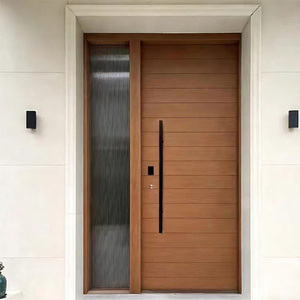
Hot Selling American and Australian Style Main Entrance Aluminum Alloy Safety Door Customized with Pictures
Get Catalog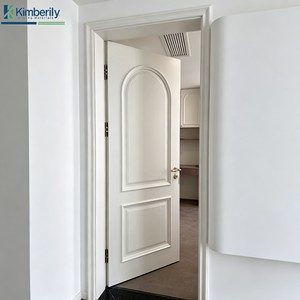
European Standard French Design Thermal Break Aluminum Alloy Casement Door For Outdoor Villa Apartment And Warehouse
Get Catalog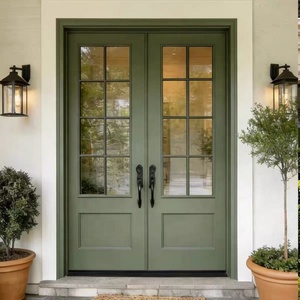
Factory Outlet Aluminum Entrance Security Door Main Swing Double Entry Door Modern Aluminum Exterior Front Door With Glass Panel
Get Catalog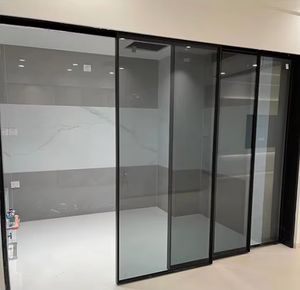
Modern Design Sliding Patio Door System Exterior Flush Aluminum Alloy Double Glazing Tempered Glass Waterproof Kitchen Door
Get Catalog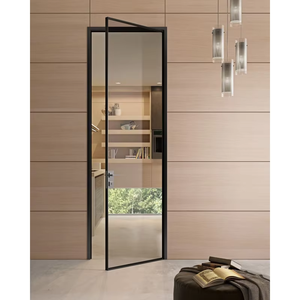
Modern French Design Narrow Frame Aluminum Glass Hinged Casement Door for Interior Kitchen Bedroom Exterior Patio Bathroom Mesh
Get Catalog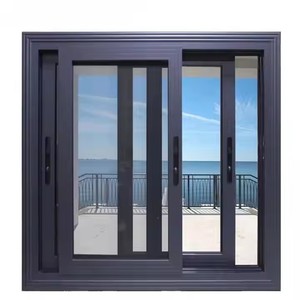
Customized Impact-Resistant Hurricane Windows And Doors Aluminum Sliding Glass For Home Alloy Frame
Get Catalog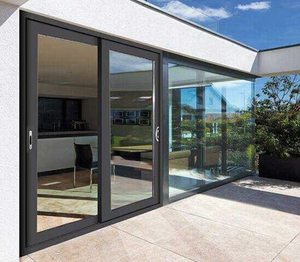
RG93.6 High Quality Durable Thermal Insulation Energy-saving Sliding Doors Exterior Aluminum Glass Sliding Doors Courtyard Doors
Get Catalog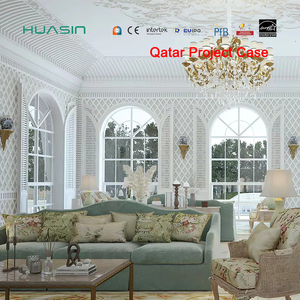
Huasin Wholesale USA Qatar Standard 2025 Customized Inward Opening Aluminum Clad Wood Windows Doors Manufacturer
Get CatalogCrestor Door Manufacturing Engineering Benchmark
Operating since 1997, Crestor Door Manufacturing Co., Ltd. blends decades of metallurgic expertise with fully vertically integrated manufacturing processes across 100,000 m² of specialized production space.
As a custom OEM aluminum exterior door factory and supplier, our operations run under strict ISO 9001:2015 certified quality control protocols. From precision aluminum extrusion using primary 6063-T6 architectural alloys to specialized polyamide (PA66 GF25) thermal break strip integration, fluorocarbon PVDF surface treatments, and sealed double/triple Insulated Glass Unit (IGU) fabrication—every single unit is produced under one roof. This vertically integrated control eliminates supplier friction, guarantees structural tolerance down to ±0.05 mm, and delivers full compliance with NFRC, CE, AS 2047, and GB/T 31433 performance mandates.
Architectural Engineering & Performance Metrics
Comparative empirical data demonstrating system resistance to environmental extremes, acoustic pressure, and structural loads.
| Performance Parameter | Tested Laboratory Standard | Crestor Factory Benchmark | Architectural Application Value |
|---|---|---|---|
| Wind Load Resistance | GB/T 31433 Grade 9 / ASTM E330 | 5.0 kPa Peak Pressure | Ideal for high-rise residential towers, exposed coastal villas, and extreme hurricane zones. |
| Water Tightness | EN 12208 / AS 2047 Test Standard | 700 Pa Static Pressure | Prevents water penetration during severe wind-driven rainstorms and typhoon conditions. |
| Thermal Transmittance (U-Factor) | NFRC 100 / EN ISO 10077-2 | U ≤ 0.9 W/m²K (Passive standard) | Dramatically reduces building HVAC operational energy costs in harsh climate extremes. |
| Acoustic Sound Insulation | ISO 717-1 / ASTM E90 | Rw ≤ 44 dB Reduction | Provides superior acoustic dampening for urban luxury hotels, highway perimeter sites, and airports. |
| Air Infiltration Rate | GB/T 7106 Grade 8 / ASTM E283 | q1 ≤ 0.5 m³/(m·h) | Eliminates structural drafts, moisture condensation, and internal thermal bridging. |
Global B2B Sourcing Trends for Exterior Doors (2025–2030)
Key industry shifts shaping direct OEM factory sourcing, material specifications, and regulatory compliance for commercial contractors and importers.
Ultra-Low Thermal Transmittance (Passive Standards)
Global energy codes are rapidly lowering allowable U-values. Modern B2B procurement prioritizes multi-cavity thermal break extrusions integrated with PA66 GF25 insulation strips, warm-edge spacers, and triple Low-E argon-filled glazing to achieve zero-energy building targets.
Hurricane & Impact Resistance Integration
With increasing climate volatility, coastal projects in North America, Australia, and the Caribbean mandate impact-resistant laminated architectural glass coupled with high-tensile 6063-T6 aluminum frames capable of resisting missile impact testing (ASTM E1886/E1996).
Slim Sightline & Large Span Architecture
Modern architectural design trends heavily favor minimal frame profiles with expanded glass surface areas. Heavy-duty lift-and-slide systems and multi-panel folding bifold exterior doors with concealed hardware are superseding traditional bulky door profiles.
Product Development & Technological Innovations
How advanced metallurgy, laser precision joining, and automated coating technologies are defining the next generation of exterior aluminum doors.
1. Seamless Laser Cold-Welding Technology
Traditional exterior door frames rely on basic mechanical corner cleats and surface sealants, which degrade over time when subjected to thermal expansion and wind shear. Crestor's advanced laser cold-welding joins frame profile corners at a molecular level without compromising temper or surface anodization. This creates a permanently sealed, structural joint with zero seam gaps, preventing corner leakage and delivering flawless surface aesthetics prior to fluorocarbon powder coating.
2. AAMA 2605 PVDF & Fluorocarbon Finishing
To survive intense UV exposure, high humidity, and marine salt spray environments, our factory utilizes automated electrostatic fluorocarbon (PVDF 3-coat) spraying lines. Tested to pass 4,000-hour salt spray corrosion resistance standards, these finishes preserve color retention, gloss stability, and surface hardness over a 25-year operational lifecycle, eliminating chalking, blistering, and film peeling.
Tailored Solutions for Global Importers & Brands
End-to-end engineering support, private labeling, custom profile extrusion toolings, and flexible order execution tailored to architectural project specifications.
1. CAD & Shop Drawing Engineering
Our engineering division translates complex architectural BOQs and structural blueprints into detailed shop drawings, analyzing wind loading requirements, jamb anchoring, and glass deflection limits before mold creation or profile cutting.
2. Sample Validation & Prototype Mockups
To assure procurement directors, we offer rapid corner section samples and full-scale door mockups. Buyers evaluate frame joinery, EPDM multi-line sealing, lock hardware tactility, and finish aesthetics in-person prior to mass production runs.
3. Private Labeling & Export Packaging
Products are customized with laser-etched brand logos, custom protective film wrapping, heavy-duty corner guards, and heat-treated wooden crate packing designed for safe sea freight container loading and drop-ship distribution.
Frequently Asked Procurement Questions
Direct technical answers addressing structural certification, material specifications, minimum order quantities, and logistics for global purchasers.
What technical documentation is required to initiate a custom OEM exterior door order?
How does your factory ensure long-term thermal separation and prevent sweating/condensation on exterior aluminum doors?
Can your custom aluminum exterior doors meet hurricane impact requirements for coastal building zones?
What hardware brands and multi-point locking mechanisms are integrated into your door systems?
What is the distinction between your OEM and ODM manufacturing services?
How are heavy exterior glass doors packaged to guarantee damage-free arrival during international sea freight?
Ready to Request an OEM Architectural Specification & Engineering Quote?
Connect directly with our senior fenestration engineering team. We provide structural consultations, CAD shop drawings, and competitive direct factory pricing within 24 hours.
Get Catalog