Featured Low-E Glass Front Door Systems
Verified Export-Grade Architectural Entrance Assemblies for Global Residential & Commercial Projects
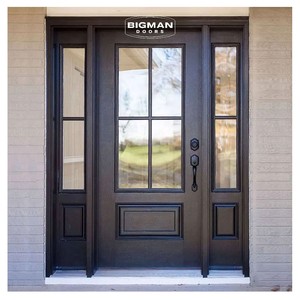
American Residential House Traditional French Style Tempered Glass Solid Wooden Front Entry Door Double Sidelite for Villa Hall
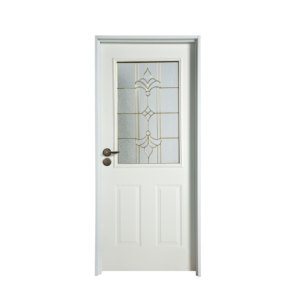
New Arrival Contemporary Front Door Right Hand Inswing Exterior French 9 Lite Low-E Glass Fiberglass Outdoor for Villas
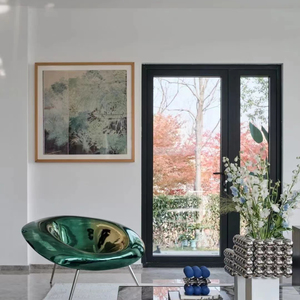
Low E Glass Energy Efficient Exterior Aluminum Swing Door for USA Canada New Home Construction Slim Frame Design
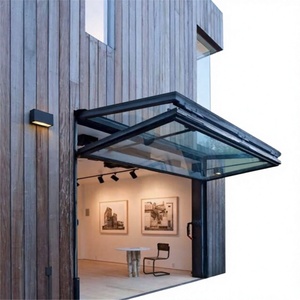
Lolands Custom Modern Aluminum Entry Door with Low-E Double Tempered Glass for Residential Villa and Supermarket Front Entrance
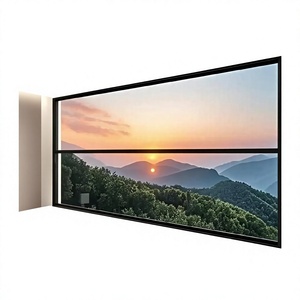
135 Panoramic Front Entry Door Thermal Break Aluminum Alloy Frame Tempered Hollow Low-E Glass Folding Glass Door for Villa Hotel
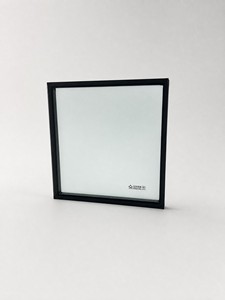
Factory Laminated Low E Insulated Glass 6+16A+6mm for Entrance Door
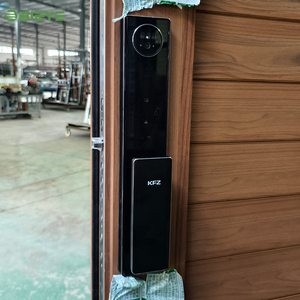
Thermal Break 85 Aluminum Offset Pivot Door Double Glazed Low E Glass for High End House Front Entry Decoration
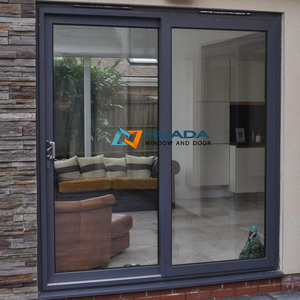
High-End Waterproof Entry Front Door Hurricane Impact Sliding Glass Windows and Doors Energy Efficient Lifting and Sliding Door
Technical Executive Summary: The Physics of High-Performance Low-E Entrance Systems
In modern architectural fenestration, the front entry door serves as both the aesthetic centerpiece of a building envelope and a critical thermal barrier against extreme environmental conditions. Selecting low-emissivity (Low-E) glass front door assemblies from leading Chinese manufacturers requires an in-depth understanding of radiant heat exchange, structural thermal breaks, and glass coating physics.
Low-E glass technology operates by utilizing microscopically thin, transparent metal or metallic oxide layers—typically silver (Ag)—deposited onto the glass substrate via Magnetron Sputtered Vacuum Deposition (MSVD) or pyrolytic inline coating processes. These nanometer-scale coatings selectively reflect long-wave infrared thermal radiation (heat energy) back toward its source while allowing high levels of visible spectrum light (VLT) to penetrate.
When evaluated within the framework of global export standards (including North American NFRC/AAMA, European CE EN 14351-1, and Australian AS 2047), entry doors are subject to stringent mechanical dynamic stress testing, water penetration resistance, and structural deflection under heavy wind loading. China's top tier fenestration manufacturers—exemplified by enterprise innovators such as Crestor Door Manufacturing Co., Ltd.—have integrated advanced cold-laser corner welding, PA66GF25 structural polyamide thermal break profiles, and automated IGUs (Insulating Glass Units) filled with 95%+ Argon gas to meet or exceed these international performance benchmarks.
Global Sourcing & Product Development Trends (2025–2030)
Strategic Insights for Architects, Developers, Wholesalers, and General Contractors Importing Chinese Low-E Front Entrance Doors
1. Decarbonization & Stringent Code Compliance
Global energy codes (ASHRAE 90.1, California Title 24, European EPBD, and Australian NCC) are enforcing lower building envelope carbon footprints. Future procurement focuses exclusively on entrance systems with multi-cavity thermal break profiles (PA66 GF25) combined with triple-pane double Low-E Argon units achieving passive house thermal thresholds.
2. Oversized Pivot & Panoramic Architectural Form Factors
High-end residential villas and commercial spaces are transitioning from traditional narrow doors to massive offset pivot and heavy-duty lift-and-slide glass doors. Top Chinese suppliers now engineer pivot systems up to 3.5 meters in height with specialized hidden floor springs and heavy-load load-bearing hardware supporting panel weights up to 500kg.
3. Hurricane Impact & Laminated Low-E Safety Specs
With increasing global climate volatility, exporters are seeing exponential demand spikes for SentryGlas® (SGP) and PVB laminated Low-E tempered glass entrance assemblies capable of passing Miami-Dade and ASTM E1996 missile impact tests while preventing UV degradation and forced entry vulnerability.
4. Seamless Smart Lock & IoT Access Integration
Modern entry doors must harmoniously fuse structural thermal efficiency with smart home automation. Forward-thinking Chinese factories pre-machine multi-point biometric locks, facial recognition sensors, and electric strike wiring channels directly inside thermal-break profile hollow chambers during CNC extrusion processing.
5. Hybrid Material Integration (Fiberglass, Wood Alum, PVDF)
Exporters are offering complex hybrid composite front doors: exterior fluoropolymer (PVDF) sprayed anti-corrosion aluminum frames bonded to structural fiberglass or solid hardwood interior cores, providing maximum exterior weather endurance with interior natural aesthetics.
6. Direct Factory OEM/ODM White-Label Sourcing
Global distributors are bypassing traditional intermediary trading companies to establish direct engineering partnerships with Chinese manufacturing plants. This operational shift provides full shop drawing validation, custom extrusion dies, and standardized export crate packing to cut lead times and total procurement costs.
Technical Performance Matrix: Low-E Glass Entrance Configurations
The matrix below summarizes tested physical properties across core front entrance door categories exported from leading Chinese manufacturing lines:
| Door System Type | Glazing Build-Up | U-Factor (W/m²K) | SHGC Range | Water Tightness | Target Market Application |
|---|---|---|---|---|---|
| Slim Frame Thermal Break Swing Door | 6mm Low-E + 16Ar + 6mm Tempered | 1.1 – 1.3 | 0.28 – 0.35 | 600 Pa Class 8 | North American & European Modern Residential Projects |
| Heavy-Duty Architectural Offset Pivot Door | 8mm Low-E + 16Ar + 8mm Laminated | 0.95 – 1.1 | 0.24 – 0.30 | 700 Pa Class 9 | Luxury Villa Halls, High-End Commercial Entrances |
| Hurricane Impact Exterior Entry System | 6mm Low-E + 12Ar + 6mm SGP Laminated | 1.2 – 1.4 | 0.22 – 0.28 | 750 Pa Impact Rated | Coastal Zones (USA Florida, Caribbean, Australia Storm Regions) |
| Traditional French Entrance with Sidelites | 5mm Low-E + 12A + 5mm Decorative Lite | 1.3 – 1.5 | 0.35 – 0.45 | 500 Pa Standard | Suburban Residential Estates, Classic Architecture |
| Panoramic 135 Folding Glazed Entrance | 6mm Low-E + 15Ar + 6mm Tempered Hollow | 1.0 – 1.2 | 0.30 – 0.38 | 650 Pa High Tightness | Resorts, Villa Courtyards, Hotel Main Halls |
Why Partner with Leading Chinese Manufacturers (Crestor Enterprise Case Study)
Nearly 30 Years of Precision Engineering, Own Smart Manufacturing Facilities, and Worldwide Compliance
Nearly 3 Decades of Expertise (Since 1997)
Founded in 1997, enterprise benchmark suppliers such as Crestor Door Manufacturing Co., Ltd. have evolved into comprehensive fenestration giants operating over 160,000 m² of modern industrial production space across Beijing R&D and Shandong manufacturing bases.
Full In-House Industrial Process Control
Unlike trading middleman, top tier suppliers handle raw aluminum extrusion machining, precision CNC slotting, fluoropolymer PVDF/powder coating, insulating glass processing, and automated assembly in-house. This single point of accountability guarantees structural integrity.
Global Certifications & Certified Testing
Systems hold international licences such as Australia AS 2047 StandardsMark™ (Licence SMK41686), ISO 9001:2015 Quality Management accreditation, and CE compliance. Windows and doors are independently verified at national test centers up to Grade 9 wind load resistance (5.0 kPa).
Patented Laser Cold-Welding
Leveraging 219+ registered patents, advanced factories utilize seamless laser cold-welding technology for profile frame corners, eliminating air gaps, increasing torsional frame rigidity, and delivering sleek joint aesthetics superior to traditional mechanical crimping.
Dedicated Engineering & Shop Drawing Approval
Every order undergoes complete CAD shop drawing validation, BOQ verification, and structural calculation modeling prior to production. Overseas buyers receive 1:1 engineering support to ensure site opening dimensions match exact clearance tolerances.
Export-Safe Packaging & Worldwide Logistics
Units are safeguarded with heavy-duty corner guards, anti-scratch protective film wrap, and fully enclosed steel-reinforced wooden crates. Designed for zero-breakage ocean freight containerization to North America, Europe, Australia, and the Middle East.
Frequently Asked Questions (Sourcing & Procurement FAQ)
Essential Technical and Logistics Answers for Global Buyers Sourcing Low-E Glass Entrance Doors from China
What technical parameters should I provide to get an accurate quote for custom Low-E front doors?
- Rough Opening Dimensions (Width x Height x Frame Depth) or architectural elevation drawings.
- Glazing Performance Targets: Preferred U-factor, SHGC, single/double/triple silver Low-E coating, or tempered/laminated specifications.
- Profile Material & Finish: Thermal break aluminum profile series, anodized finish, PVDF fluoropolymer coating color code (RAL), or wood-grain texture.
- Hardware & Security Preferences: Multi-point locking mechanisms, smart biometric access, German GU/Hoppe hardware, or heavy-duty concealed pivots.
- Target Delivery Location: Destination port for accurate CIF/DDP freight calculation.
How does Low-E glass compare to standard clear glass in entry door applications?
Can I order a sample or single unit to test quality before placing bulk container orders?
What is the difference between OEM and ODM fenestration manufacturing services?
ODM (Original Design Manufacturer): You select from the factory’s pre-engineered, fully tested library of Low-E entrance systems (e.g., tested to AS 2047, CE, or NFRC). The factory applies your custom branding, private labels, and tailored packaging for a faster, cost-effective product launch.
How do Chinese exporters ensure heavy Low-E glass doors arrive undamaged during ocean freight?
- Heavy-duty rubber corner guards are fitted to all frame edges.
- Sash and frame surfaces are fully wrapped in scratch-resistant polyethylene protective film.
- Individual units are packed inside IPPC ISPM-15 certified fumigation-free wooden crates or custom steel A-frames.
- Desiccant packs are enclosed within film wraps to prevent moisture oxidation on metal hardware during maritime transport.
What certifications are critical when importing front entrance doors into North America, Australia, or Europe?
- Australia / New Zealand: AS 2047 (Windows and External Glazed Doors in Buildings) and AS 1288 (Glass in Buildings). Look for official StandardsMark™ licences (such as SMK41686).
- North America (USA / Canada): NFRC (National Fenestration Rating Council) ratings for U-factor and SHGC, AAMA certification for structural wind/water tightness, and SGCC (Safety Glazing Certification Council) for tempered glass.
- Europe: CE marking compliance according to EN 14351-1, and ISO 9001:2015 quality control systems.
Ready to Request Technical Drawings & Factory Direct Pricing?
Send your project BOQ, CAD drawings, or custom entrance dimensions to our senior engineering team. Receive factory-direct quotes and comprehensive shop drawings within 24 hours.