High-Security Aluminum Entrance & Pivot Doors
Factory-direct thermal break, armored cast aluminum, and impact-resistant entry doors manufactured to international structural and energy codes.
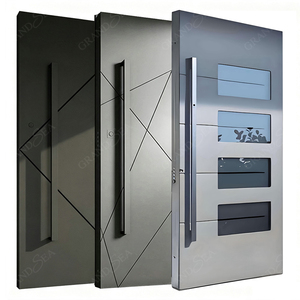
Luxury Modern American Cast Aluminum Smart Armored Entry Door High-end Security Main Entrance Door Solid Wood Pivot Front Door
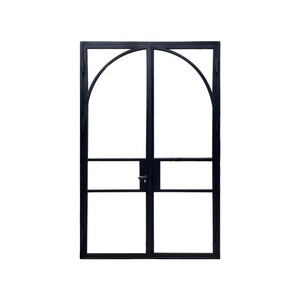
Square Double French Steel Customized Swing Graphic Design Steel Glass Door Modern Entry Doors Steel Windows Exterior
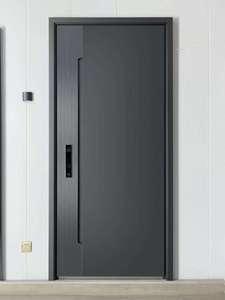
High-quality Custom Aluminum Entrance Doors, Safe, Soundproof and Fireproof, Suitable for Residential Villas
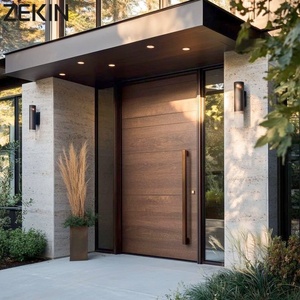
ZEKIN Modern American Design House Heat Insulation Fire Prevention Luxury Entrance Pivot Door House Front Entry Doors
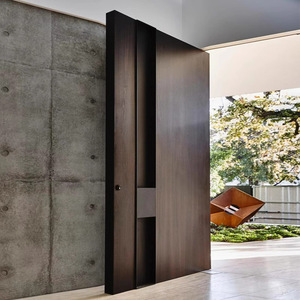
High Security Exterior Main Entrance Doors Customized Made Model Wooden & Aluminum Pivot Front Entry Door
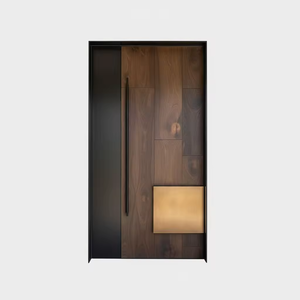
Residential Luxury Modern Pivot Main Entrance Door for Apartment Villa Exterior Front Door Digital Locking Aluminum Pivot Doors
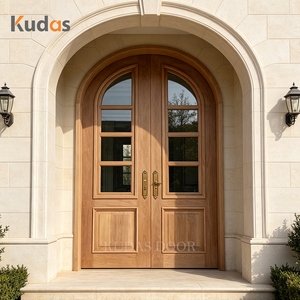
Modern Classic European Arched Solid Wood Entry Double Door Villa Main Exterior Entrance Arch Double Door With Tempered Glass
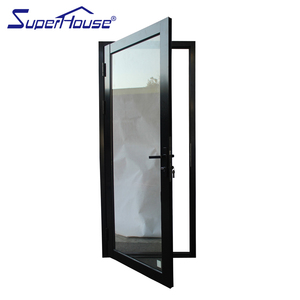
Miami NOA Approved Modern Hurricane Proof Impact Resistance Triple Glazed Aluminum Alloy Hinged Patio Door With Finished Surface
Executive Sourcing Analysis: Sourcing High-Security Aluminum Entry Doors from China
The global luxury architectural fenestration sector is experiencing an unprecedented structural shift. Modern commercial developments, luxury residential villas, and multi-family residential projects demand exterior entrance systems that unify high-level physical security, thermal insulation, acoustic isolation, and architectural elegance. China has emerged as the premier manufacturing powerhouse for engineered aluminum entry doors, capitalizing on advanced metallurgical processing, automated precision CNC milling, and fully integrated supply chain ecosystems.
When selecting **China's best secure aluminum entry door factories and exporters**, international procurement directors, architects, and building material distributors must evaluate technical parameters far beyond mere aesthetics. Sourcing high-performance exterior doors requires rigorous audit procedures focused on structural aluminum alloy selection (specifically 6063-T5/T6 architectural aluminum), multi-chamber thermal break engineering with reinforced Polyamide (PA66 GF25) strips, multi-point anti-burglary lock integration, surface coating longevity (such as PVDF fluorocarbon coatings complying with AAMA 2605 specifications), and international certified test performance under extreme wind pressure and water infiltration conditions.
Future Sourcing & Procurement Trends (2026–2030)
The global fenestration market is moving rapidly toward intelligent, ultra-durable, and decarbonized building envelope components. Industry procurement teams negotiating long-term supply contracts with Chinese OEM/ODM exporters must align their purchasing strategies with five core procurement trends defining the next decade:
1. Biometric & Smart Access Integration
Architectural entrance doors are transitioning from mechanical keys to motorized multi-point automatic locking systems. Sourcing demands now specify integrated facial recognition, 3D biometric fingerprint scanners, encrypted RFID, and smart-home protocol synchronization (Zigbee, Z-Wave, Matter) embedded directly into thermal aluminum frames.
2. Extreme Weather & Hurricane Impact Rating
With volatile global climate events, exporters are seeing exponential demand for impact-rated aluminum entrance doors. Leading Chinese factories manufacture systems designed to meet Miami-Dade NOA (Notice of Acceptance) and ASTM E1886/E1996 standards, incorporating laminated hurricane-proof safety glass capable of withstanding large missile impacts.
3. Heavy-Duty Armored Cast Aluminum Cores
Traditional wood or single-sheet aluminum doors are being replaced by hybrid structural doors. High-end residential entrance doors feature solid cast aluminum armor plates (8mm–12mm thickness) fused with solid hardwood linings or high-density polyurethane insulation, delivering superior forced-entry resistance without warping or rotting.
Technological & Industrial Development Trends in Aluminum Entry Door Manufacturing
Technological advancement in Chinese entry door manufacturing centers around precision engineering, material science, and robotic fabrication. Understanding these core engineering methodologies allows technical purchasers to separate top-tier direct manufacturers from third-party sourcing agents.
1. Laser Cold-Welding vs. Mechanical Corner Assembly
Conventional aluminum door fabrication relies on mechanical corner cleats and crimping, which can experience micro-gapping over years of thermal expansion and contraction. Leading export factories utilize continuous seamless laser cold-welding for profile corners and outer frame joints. Laser cold-welding yields structural corner joints with structural strength identical to the parent aluminum profile, effectively eliminating water penetration points and preventing frame sagging in heavy pivot or double-door systems.
2. Thermal Separation via Reinforced PA66 GF25 Polyamide Strips
The thermal core of a modern secure aluminum entry door relies on structural thermal break technology. Superior factories avoid cheap PVC thermal strips—which degrade under UV exposure and high thermal stress—and exclusively install PA66 GF25 (25% glass fiber reinforced Polyamide 66). This configuration matches the coefficient of thermal expansion of aluminum extrusions, guaranteeing structural integrity under ambient temperatures ranging from -30°C to +80°C.
3. High-Performance Surface Finishing: PVDF Fluorocarbon vs. Powder Coating
Exterior doors exposed to coastal salt spray, intense solar UV rays, or industrial air pollution demand high-durability surface coatings. Top export facilities implement automated 3-coat 2-bake PVDF (Polyvinylidene Fluoride) fluorocarbon spraying or Qualicoat Class 2 / Class 3 certified powder coating systems. These surface treatments guarantee color stability, chalk resistance, and zero corrosion for over 25 to 30 years in extreme coastal or tropical environments.
Engineering Benchmark & Performance Visualization Matrix
Below is a comparative breakdown of key performance indicators across the primary exterior secure door categories produced by top Chinese exporters:
| System Architecture | Structural Load (Wind Pressure) | Thermal U-Value Range | Acoustic Rating (Rw) | Security Rating | Target Architectural Application |
|---|---|---|---|---|---|
| Cast Aluminum Armored Smart Pivot Door | 5.0 kPa (Grade 9) | 0.8 – 1.1 W/m²K | Rw 42 – 45 dB | RC4 / High-Security Armored | Luxury Residential Villas & Flagship Entrances |
| Thermal Break Double French Glass Door | 3.5 – 4.2 kPa | 1.2 – 1.5 W/m²K | Rw 38 – 40 dB | RC2 / Multi-Point Locking | Modern Estate Rear & Courtyard Main Entrances |
| Miami NOA Impact-Resistant Hinged Door | 5.5+ kPa (Hurricane Zone) | 1.4 – 1.8 W/m²K | Rw 40 – 43 dB | Impact / Anti-Burglary Class 3 | Coastal Zone Residences & Resort Properties |
| High-Security Fire-Rated Solid Wood & Aluminum Door | 4.0 kPa | 1.0 – 1.3 W/m²K | Rw 44 dB | EI30 / EI60 Fire Rated + RC3 | Luxury Apartments, Hotels & Commercial Suites |
Enterprise Strengths & Manufacturing Capabilities of Premier Chinese Suppliers
When auditing potential manufacturing partners in China, evaluation of enterprise infrastructure is critical to mitigate project delay risk and quality variance. Companies such as **Crestor Door Manufacturing Co., Ltd.** showcase the ideal operational parameters for global B2B procurement contracts:
160,000 m² Manufacturing Footprint
Founded in 1997 with nearly three decades of fenestration engineering experience. Operation of a massive 100,000 m² smart manufacturing plant in Dongying, Shandong, paired with an advanced R&D and engineering center in Beijing.
Fully Integrated In-House Production
Elimination of third-party processing bottlenecks. Profile CNC machining, automated powder coating and PVDF lines, Low-E insulating glass fabrication, and multi-point lock assembly are executed entirely under one roof under strict quality supervision.
Certified Export Compliance
Holding international accreditations including ISO 9001:2015 Quality Management Systems, AS 2047 StandardsMark™ License (SMK41686), full CE conformity, NFRC thermal performance compliance, and over 219 patented structural innovations.
Frequently Asked Questions (FAQ) for B2B Importers & Contractors
ODM (Original Design Manufacturer): The buyer selects from the factory's pre-engineered, certified product line (such as tested thermal break pivot doors or hurricane-rated hinged systems). The manufacturer customizes branding, hardware, sizes, finishes, and packaging for fast-track market access.
Ready to Source High-Security Aluminum Entrance Doors?
Submit your architectural CAD drawings, project schedules, or BOQs today. Connect directly with factory technical engineers to receive competitive direct pricing, shop drawings, and sample validation.