Top-Tier Commercial & Architectural Aluminum Door Systems
Factory-direct thermal break assemblies, hurricane impact storefronts, high-security entry pivots, and modern structural interior doors tested to AS 2047, CE, and GB/T 31433 standards.
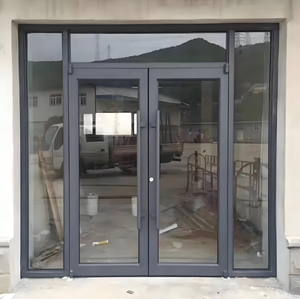
Commercial Smart Glass Storefront Hurricane Impact Doors
- Profile Frame: 6063-T5 Thermal Break
- Wind Pressure: 5.0 kPa (Grade 9)
- Glazing: PDLC Smart / Low-E
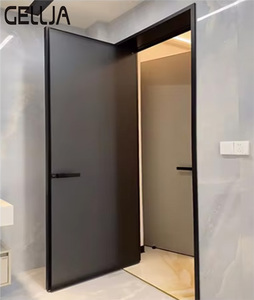
Contemporary Hotel Metal Frame Casement Glass Doors
- Application: Hotel / Commercial
- Hardware: German Multi-Point
- Acoustic Rating: Rw 40 dB
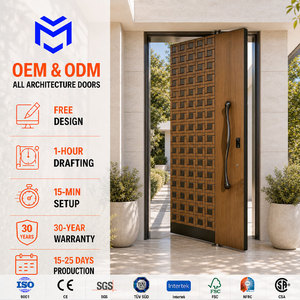
Armored Aluminum Wood Hybrid Exterior Security Pivot Doors
- Mechanism: Heavy Duty Pivot Hinge
- Security Class: Anti-Burglar RC3
- Finish: PVDF / Wood Grain
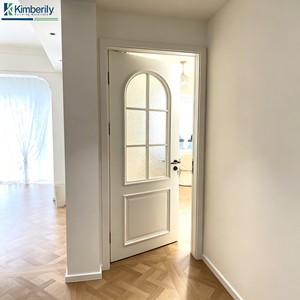
Modern Sound Insulated Aluminum Casement Renovation Doors
- Seal System: Triple EPDM Gaskets
- Insulation: PA66 Polyamide Strip
- Sound Reduction: Rw 44 dB
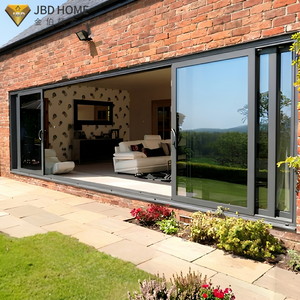
4-Panel Double Glazed Multi-Slide Patio Entrance Doors
- Glazing Spec: 6mm+12Ar+6mm Low-E
- Track System: Stainless Heavy Roller
- Water Tightness: 700 Pa (Grade 6)
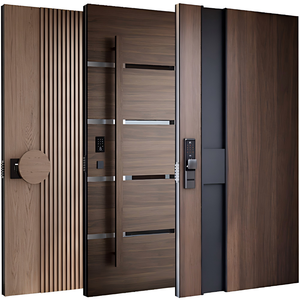
Bulletproof & Anti-Theft Armored Metal Security Main Doors
- Core Structure: Steel-Aluminum Core
- Locking Points: 12-Point Biometric
- Impact Rating: High-Velocity HVHZ
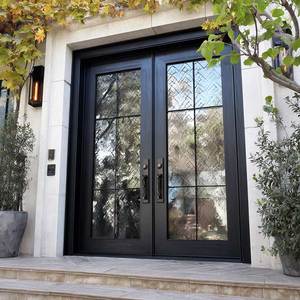
Luxury Wrought Iron & Aluminum Frosted Glass Double Doors
- Glass Type: Tempered Frosted IGU
- Frame Finish: Electrophoretic Coating
- Design Style: Euro Architectural
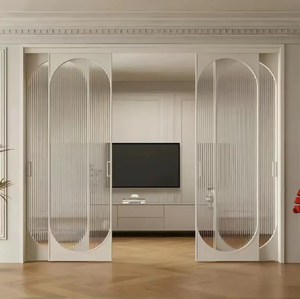
Trackless Architectural Art Glass Interior Partition Doors
- Track System: Top-Hung Trackless
- Profile Sightline: Ultra-Slim 16mm
- Glass Finish: Fluted / Art Laminated
Precision Manufacturing & Structural Parameters
The Global Architectural Ecosystem: Sourcing Commercial Aluminum Doors from China
The global commercial fenestration and door manufacturing market has undergone a fundamental transformation over the past decade. Leading international architectural engineering firms, facade contractors, and real estate developers no longer source raw extrusions and components piecemeal. Instead, they rely on vertically integrated OEM/ODM manufacturing hubs in China capable of handling everything from primary bauxite alloy smelting and profile extrusion to automated PA66 polyamide thermal bridge insertion, CNC corner milling, double/triple insulated glass unit (IGU) processing, and full unitized assembly.
China's elite commercial door exporters operating out of premier industrial clusters—such as Shandong, Guangdong, and Beijing—provide unmatched economies of scale combined with advanced structural engineering. By utilizing primary 6063-T5 and high-tensile 6060-T6 aluminum alloys subjected to precision artificial aging, Chinese factories produce structural door profiles with tensile strengths exceeding 160 MPa and yield strengths above 110 MPa. This foundational metallurgy ensures that large-format commercial storefronts, heavy-duty architectural pivot systems, and massive multi-slide patio assemblies withstand severe building movements and high wind pressure without structural deflection.
Structural Physics & Thermal Engineering Standards
When specifying commercial aluminum doors for high-traffic commercial buildings, coastal resorts, high-rise corporate towers, or luxury residential developments, engineering buyers must evaluate performance through standardized physics metrics rather than superficial aesthetics:
- Thermal Isolation Physics (PA66-GF25 Iso-Struts): Non-thermal break aluminum frames act as thermal conductors, creating condensation, energy loss, and internal climate instability. Modern high-performance doors utilize 24mm to 36mm fiberglass-reinforced polyamide (PA66-GF25) thermal strips inserted between interior and exterior aluminum extrusions. This breaks the conductive loop, lowering overall door U-factors down to U ≤ 0.9 W/m²K when combined with warm-edge spacers and argon-filled Low-E triple glazing.
- Cyclonic & Hurricane Impact Resistance: Commercial storefront doors deployed in hurricane-prone zones require heavy-wall structural profiles (minimum 2.0mm to 3.0mm primary wall thickness) paired with laminated security glass featuring SentryGlas® (SGP) or PVB interlayers. Under high-velocity hurricane testing (HVHZ), these assemblies resist structural wind pressures exceeding 5.0 kPa (equivalent to Category 5 hurricane-force winds).
- Acoustic Isolation Engineering: City center hotels and corporate headquarters require acoustic attenuation against urban noise pollution. By pairing multi-chamber aluminum profile geometry with asymmetrical double-glazed laminated glass (e.g., 6mm tempered + 12Ar + 4mm glass + 0.76PVB + 4mm glass) and triple continuous EPDM weatherstripping seals, internal sound levels are reduced by up to 44 decibels (Rw 44 dB).
- Laser Cold-Welding & Structural Corner Integrity: Traditional mechanical cleating and pneumatic crimping can fail over decades of heavy commercial cycle operation, leading to frame sagging and corner seal compromise. Next-generation factories utilize automated laser cold-welding and dual-component structural corner injection adhesives, forming a monolithic frame joint with zero water infiltration risk and 300% higher torsional rigidity.
Commercial Aluminum Door Performance Matrix
Comparative technical benchmark for architectural door systems tested to international standards.
| Door System Type | Primary Profile Spec | Glazing Configuration | Thermal U-Factor | Wind Load Class | Primary Application |
|---|---|---|---|---|---|
| Smart Glass Storefront | 3.0mm Wall 6063-T5 | 6mm Switchable PDLC + 12Ar + 6mm Low-E | 1.4 W/m²K | 5.0 kPa (Grade 9) | Retail Outlets, Headquarters |
| Architectural Pivot Entry | 2.5mm Reinforced Steel Core | 8mm Tempered / Solid Armored Panel | 1.8 W/m²K | 4.5 kPa (Grade 8) | Luxury Villas, Executive Entrances |
| Multi-Slide Patio Systems | 2.2mm Thermal Break PA66 | 6mm+14Ar+6mm Low-E Double IGU | 1.1 W/m²K | 4.0 kPa (Grade 7) | Resorts, Multi-Family Living |
| Heavy Duty Bifold Doors | 2.0mm Slim Profile 6063-T5 | 5mm+12Ar+5mm Double Tempered | 1.3 W/m²K | 3.5 kPa (Grade 6) | Restaurants, Event Centers |
| Acoustic Office Casement | 1.8mm Sound-Dampened Profile | 6mm+0.76PVB+6mm Laminated Glass | 1.6 W/m²K | 3.0 kPa (Grade 5) | Hotels, Conference Rooms |
Crestor Enterprise Advantage & Factory Infrastructure
Why international architects, commercial contractors, and window brands partner with Crestor Door Manufacturing Co., Ltd.
160,000 m² Production Power
Founded in 1997, Crestor operates a state-of-the-art 100,000 m² smart manufacturing facility in Dongying, Shandong, paired with a dedicated architectural R&D center in Shunyi District, Beijing. Employing over 200 engineers and master technicians, we control the entire process from profile extrusion machining to automated IGU glass tempering under ISO 9001:2015 quality standards.
219+ Patents & AS 2047 Certified
Engineering innovation is at our core. Crestor holds 219+ patented technologies, including advanced corner joint crimping, hidden drainage channels, and hurricane-resistant locking mechanisms. Our 76M tilt & turn system carries an official AS 2047 StandardsMark™ Licence (SMK41686), alongside full CE conformity and NFRC-ready thermal testing for North America.
Full OEM / ODM Customization
Whether you require custom extrusions manufactured to exact architect specifications (OEM) or pre-tested off-the-shelf door libraries private-labeled for your window brand (ODM), Crestor provides complete shop drawing production, rapid corner sample prototyping, and export-grade wooden crate packaging engineered for zero ocean transit damage.
Future Sourcing Trends in Commercial Aluminum Doors (2026–2030)
As commercial building codes globally become stricter regarding operational net-zero targets and extreme climate resilience, procurement directors and project engineers must align their supply chains with key emerging technology vectors:
1. Ultra-Slim Sightline Minimalist Architecture
Architects are demanding maximum daylighting ratios and seamless indoor-outdoor transitions. Advanced multi-slide and trackless interior partition doors now feature ultra-narrow interlock sightlines as thin as 16mm to 20mm, relying on structural silicone glazing adhesives (Dow Corning 983) where the glass unit itself carries a portion of the structural wind load.
2. Smart Glass & Automated Access Integration
Commercial entrance storefronts are transitioning from static glazing to dynamic electrochromic and PDLC (Polymer Dispersed Liquid Crystal) switchable glass. Controlled via building automation systems (BAS) or biometric smart handles, these systems instantly transition from crystal-clear to opaque, providing instant solar heat control and acoustic privacy.
3. Low-Carbon Recycled Aluminum & EPD Certification
With LEED v4.1 and BREEAM standards requiring verified Environmental Product Declarations (EPD), top Chinese exporters are shifting to hydro-powered primary aluminum billets and post-consumer recycled aluminum alloys (up to 75% recycled content), dramatically reducing embedded carbon footprints without compromising tensile strength.
4. High-Velocity Hurricane Zone (HVHZ) Testing
Coastal developments in North America, Australia, the Caribbean, and Southeast Asia face severe tropical cyclones. Sourcing guidelines mandate impact-resistant doors certified for large missile impact testing (ASTM E1886/E1996) featuring multi-point perimeter deadbolts and continuous heavy-duty stainless steel piano hinges.
Frequently Asked Questions by Commercial Buyers & Engineers
Essential answers for importers, facade contractors, and project developers looking to source factory-direct doors from China.
What drawings or data are required to receive an accurate factory quote and CAD shop drawings?
How do Chinese window and door test standards (GB/T 31433) map to AS 2047, CE, and North American NFRC/AAMA standards?
What is the technical difference between PA66 polyamide thermal break strips and lower-cost PVC inserts?
How can overseas buyers verify product quality and build tolerance before bulk manufacturing starts?
What export packaging standards are used to prevent glass breakage and frame scratching during ocean freight?
What is the difference between Crestor's OEM and ODM service frameworks for international distributors?
Ready to Request Shop Drawings & Factory Direct Pricing?
Connect directly with Crestor's senior architectural engineering team. We will analyze your project opening schedules, structural wind load targets, and thermal requirements to prepare a complete BOQ estimate and CAD shop drawings.