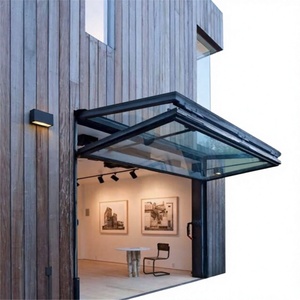
Factory Product Lineup
Featured CE-Certified Thermal Break Entry Door Systems
Explore our flagship architectural entrance systems engineered for luxury villas, commercial facades, and high-security residential developments.
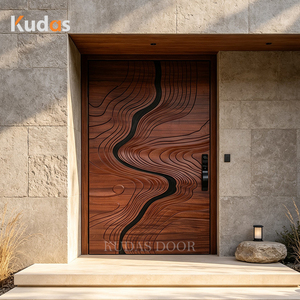
Luxury Villa 3D Carved Solid Wood Pivot Front Door Custom Modern Art Carving Pattern
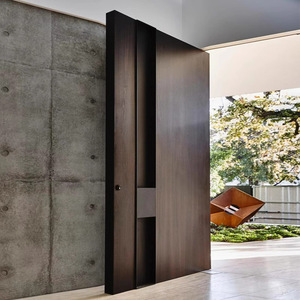
High Security Exterior Main Entrance Wooden & Aluminum Pivot Front Entry Door
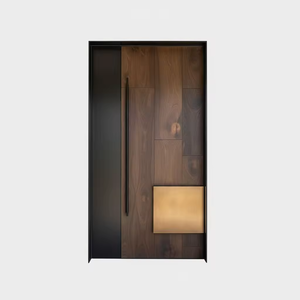
Residential Luxury Modern Pivot Main Entrance Door Digital Locking Aluminum System
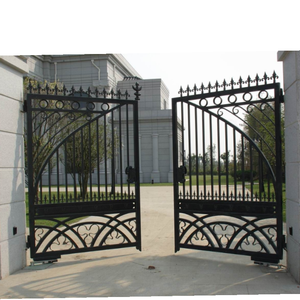
Best Seller Villa Gate Designs Entrance Double Security Wrought Iron Front Entry Door
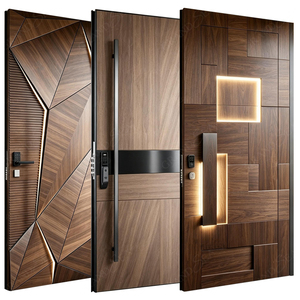
High-End Luxury Entrance Pivot Front Door Stainless Steel Solid Wood Exterior Hybrid
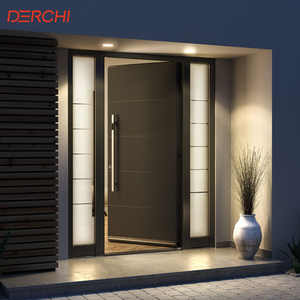
Smart Aluminum Entry Door Front Exterior Security Door with Integrated Keyless Entry
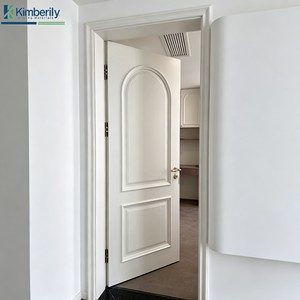
European Standard French Design Thermal Break Aluminum Alloy Casement Door
1997
Founded Year — 28+ Years Manufacturing Rigor
160,000 m²
Total Factory Footprint (Dongying Facility)
219 +
Patented Fenestration Technologies
0.9 U-Val
Passive Thermal Transmittance (W/m²K)
Engineering Whitepaper
Structural Architecture of CE Certified Thermal Break Aluminum Entry Systems
An authoritative technical analysis for architectural specifiers, facade engineers, and international procurement managers seeking compliance, structural integrity, and energy efficiency.
In modern architectural fenestration, entrance doors serve as both the primary visual statement and the most critical barrier against atmospheric heat exchange, structural wind pressure, and acoustic intrusion. Traditional uninsulated aluminum entry doors suffer from high thermal conductivity (aluminum thermal conductivity ≈ 200 W/m·K), leading to extreme condensation, thermal bridging, and severe HVAC efficiency loss. As a premier CE certified thermal break aluminum entry door manufacturer, Crestor Door Manufacturing Co., Ltd. re-engineers modern entry systems through advanced materials science and precision structural mechanics.
1. The Polyamide PA66 GF25 Thermal Bridge Barrier
The core structural innovation of a CE certified thermal break aluminum entry door lies in its multi-chambered internal profile architecture. Extruded aluminum profiles are split into interior and exterior structural zones, physically separated and mechanically locked together using PA66 GF25 (Polyamide 66 reinforced with 25% glass fiber) thermal insulating strips. This composite configuration reduces thermal conductivity across the profile frame down to Uf ≤ 1.3 W/m²K.
Technical Specification Benchmark: Glass fiber reinforcement (25%) ensures that PA66 insulation strips match the linear thermal expansion coefficient of aluminum alloy 6063-T6 (2.3 × 10⁻⁵ /K). This eliminates internal shear stress, delamination, and profile warping across extreme ambient temperature differentials ranging from -40°C winter cold to +80°C direct sun exposure.
2. Triple-Sealed Weatherstripping & Acoustic Decoupling
A major vulnerability in standard commercial entrance doors is perimeter air infiltration and water penetration under wind-driven storm conditions. Crestor's thermal break door platforms incorporate a continuous triple-seal system utilizing automotive-grade EPDM (Ethylene Propylene Diene Monomer) gasket seals combined with co-extruded magnetic weather-stripping at the door threshold.
- Air Tightness (EN 12207 Class 4 / GB/T 31433 Grade 8): Eliminates micro-drafts and prevents air leakage under extreme static pressure differential.
- Water Tightness (EN 12208 Class E1050 / GB/T 31433 Grade 6): Tested to withstand up to 700 Pa of wind-driven rain pressure without threshold moisture overflow.
- Acoustic Isolation (Rw up to 44 dB): Multi-chambered profile geometry combined with asymmetric acoustic laminated glass dampens low-frequency urban traffic noise and high-frequency acoustic waves.
3. Certified Performance Data Matrix (GB/T 31433 & EN 14351-1 Standard)
Below is the verified test lab data from China's National Window & Door Testing Center, conforming to European Harmonized Standard EN 14351-1 for CE Mark compliance:
| Performance Metric | Standard Testing Protocol | Achieved Test Result | CE Compliance Grade | Engineering Utility Impact |
|---|---|---|---|---|
| Wind Load Resistance | EN 12210 / GB/T 7106 | 5.0 kPa (P3 Rating) | Class C5 / Top Grade 9 | Ideal for coastal high-rise entryways & high-wind villa zones. |
| Water Tightness | EN 12208 / GB/T 7106 | 700 Pa Static Pressure | Class E750 / Grade 6 | Prevents storm leakage even during hurricane-force driving rain. |
| Thermal Transmittance (Uw) | EN ISO 10077-2 | 0.89 to 1.1 W/m²K | Passive House Grade 10 | Reduces annual building energy consumption by up to 35%. |
| Air Permeability | EN 12207 / GB/T 7106 | q1 ≤ 0.5 m³/(m·h) | Class 4 / Grade 8 | Ensures air-tight envelope integrity for HVAC load control. |
| Acoustic Insulation (Rw) | EN ISO 140-3 | Rw 42 dB – 44 dB | Class 5 Acoustic | Filters ambient street sound to interior whisper levels (<30dB). |
Industry Insights
Future Procurement Trends in Thermal Break Entrance Systems (2025–2030)
Strategic market intelligence for B2B importers, developers, and door distributors navigating evolving global architectural demands and regulatory shifts.
1. Carbon Neutrality & Recycled Low-Carbon Aluminum
Global architectural specifications increasingly require Environmental Product Declarations (EPD) and low-embodied-carbon aluminum extrusions (produced via hydro-powered smelting or containing ≥75% post-consumer recycled alloy). Importers must partner with factories providing traceable low-carbon aluminum sourcing to satisfy green building standards like LEED v4.4 and BREEAM.
2. Smart Door Architecture & Biometric Ecosystems
The global luxury market is rapidly shifting toward integrated smart entrance systems. Mechanical keyways are being replaced by multi-biometric access modules—incorporating 3D structured-light facial recognition, invisible capacitive fingerprint scanners, and encrypted Matter/Zigbee protocol integration for seamless smart home automation.
3. Ultra-Low Thermal Transmittance (Passive House Standards)
With Europe enforcing Nearly Zero-Energy Buildings (NZEB) standards and North America adopting stringent IECC energy codes, procurement specifications demand whole-door thermal values of Uw ≤ 0.8 W/m²K. Future thermal break doors integrate aerogel-infused PA66 strips and triple/quadruple low-E glass filled with 95% argon gas.
4. Large-Span Pivot Systems with Offset Hinge Load Control
Modern architecture demands grand entrances reaching heights up to 4.5 meters and widths exceeding 2.0 meters per single sash. Sourcing trends favor heavy-duty aluminum pivot doors featuring German-engineered floor pivot hinges capable of smoothly handling sash weights up to 500kg with adjustable hydraulic closing speed.
5. Laser Cold-Welding & Seamless Corner Integrity
Traditional mechanical corner cleats and crimped joints are giving way to advanced laser cold-welding technology. Seamless welded corners enhance structural frame rigidity by 40%, eliminate surface paint cracking over time, and provide 100% water seal continuity at frame corner miters.
6. PVDF Powder Coatings & Extreme Anti-Corrosion Finishes
For coastal and harsh industrial environments, B2B procurement dictates high-durability surface treatments conforming to AAMA 2605 specifications. Fluorocarbon PVDF spray coatings and 25-micron hard-anodized finishes ensure 30+ years of resistance against salt spray corrosion, UV chalking, and color fading.
Product Roadmap
Engineering & Manufacturing Evolution in Aluminum Entry Systems
How Crestor integrates cutting-edge material engineering, automated robotics, and surface science to solve real-world architectural challenges.
A. Coplanar Flush Surface Aesthetics & Concealed Hardware Integration
Engineering modern luxury entry doors requires eliminating unsightly structural projections. Crestor’s latest profile series utilizes a 100% flush coplanar design where the door sash sits entirely flat against the outer frame line. Furthermore, multi-axis 3D adjustable concealed hinges are embedded entirely within the thermal break profile cavity, allowing 180-degree opening angles without exposing hardware components to atmospheric corrosion.
B. Composite Material Hybrids (Aluminum + Solid Wood + Steel Armor Plate)
To balance the modern weatherability of exterior aluminum with the interior warmth of premium architectural timber, product development has embraced hybrid material engineering. Crestor’s flagship entry series features exterior 6063-T6 heavy-duty thermal break aluminum profiles bonded to interior hand-carved solid teak, black walnut, or oak panels, with an internal high-density manganese steel anti-burglar armor core.
C. Advanced Multi-Point Security Locking Mechanisms
Entry doors certified under European standard EN 1627 RC2/RC3 burglar resistance are equipped with fully integrated multi-point locking hardware. Motorized auto-locking gearboxes throw stainless steel hook bolts into reinforced frame strike plates at top, middle, and bottom positions simultaneously upon door closure, ensuring impenetrable structural security against mechanical forced entry.
Enterprise Strength
Why Global Importers Partner with Crestor Door Manufacturing
Combining nearly 30 years of engineering expertise with a 160,000 m² smart manufacturing ecosystem to deliver tested reliability and factory-direct cost advantages.
100,000+ m² Smart Manufacturing Base
Our state-of-the-art production facility in Dongying, Shandong, works in tandem with our Beijing R&D headquarters. Equipped with automated CNC profile machining centers, robotic laser cold-welding lines, and automated glass processing facilities, we ensure absolute precision down to ±0.05 mm tolerances.
Full Global Certification Compliance
Our products hold certified compliance including AS 2047 StandardsMark™ Licence (SMK41686), ISO 9001:2015 quality system accreditation, CE conformity under EN 14351-1, and NFRC thermal performance compliance for North American project bidding.
Fully Integrated In-House Production
Unlike assemblers who outsource critical components, Crestor manages raw profile machining, powder coating, PVDF spray treatment, insulating glass processing (IGU), and final door assembly entirely in-house. One accountable team manages your quality control from billet to container loading.
219+ Patents & OEM/ODM Customization Flexibility
Backed by 219 registered fenestration patents, our engineering team offers comprehensive CAD shop drawing development, structural BIM modelling, structural load calculations, and custom extrusion die design tailored specifically to your project requirements.
Project Lifecycle
Standard B2B Sourcing & Custom Fabrication Process
From architectural drawing review to export crate loading, our 6-stage quality-controlled engineering workflow ensures flawless delivery on site.
01
Architectural Consultation
Send CAD/BIM drawings, BOQ, or opening dimensions. Our senior facade engineers review wind load requirements and thermal target criteria.
02
Engineering Shop Drawings
We issue full 1:1 cross-sectional shop drawings, profile thermal calculations, and hardware integration schemes for buyer sign-off before manufacturing.
03
Sample & Mock-Up Validation
Order corner cutaways or full-size prototype doors to inspect finish quality, seam alignment, multi-point lock tactile operation, and sealing gaskets in your hands.
04
Precision CNC Production
Profile extrusion machining, laser welding, PVDF powder coating, and automated IGU double/triple glass assembly take place in our Dongying manufacturing base.
05
Strict Quality Assurance Inspection
Each completed entry door undergoes air/water tightness bench testing, dimensional verification, coating thickness checks (AAMA spec), and hardware cycling tests.
06
Export Packing & Ocean Logistics
Doors are wrapped in anti-scratch protective film, corner-guarded, sealed in fully enclosed steel-reinforced plywood crates, and loaded for ocean freight delivery.
Buyer Knowledge Base
Frequently Asked Questions for Sourcing & Procurement
Clear technical answers to common questions asked by B2B importers, architects, and main contractors before issuing a purchase order.
What specific documentation is required to initiate a custom entry door order?
You simply need to provide architectural floor plans, opening schedules, or basic site measurements along with your target building code requirements (e.g., U-value, wind load zone). Our engineering department will generate detailed 2D/3D CAD shop drawings, hardware specifications, and profile cross-sections for your structural engineer's approval prior to production.
How does Crestor verify CE compliance for European Union market imports?
All Crestor thermal break aluminum entry doors are manufactured in accordance with European Harmonized Standard EN 14351-1. We provide valid Declaration of Performance (DoP) certificates, CE factory production control documentation, and independent test reports covering wind load (EN 12210), water tightness (EN 12208), air permeability (EN 12207), and thermal transmittance (EN ISO 10077-2).
What is the difference between Crestor's OEM and ODM manufacturing services?
Under our OEM service, you provide proprietary profile dies, hardware brand preferences, and custom packaging specs, and we fabricate exclusively under your brand with complete IP protection. Under our ODM service, you choose from our pre-tested, CE/AS2047-certified system library, and we private-label the products with your logo and packaging for rapid market deployment.
What surface coating standards are available for harsh coastal or high-UV regions?
We supply AkzoNobel and PPG powder coatings compliant with AAMA 2604 and AAMA 2605 specifications, as well as PVDF fluorocarbon coatings and 25µm hard-anodized surface finishes. These treatments undergo 3,000+ hours of continuous salt spray testing to guarantee zero chalking, blistering, or color degradation in coastal saltwater environments.
How are heavy-duty pivot doors protected against shipping damage during sea transit?
Every door unit is wrapped in thick protective film, fitted with heavy-duty plastic corner protectors, and packed into custom-built, ISPM-15 certified heat-treated plywood crates reinforced with internal steel frames. Sashes and frames are anchored with vibration-damping straps to prevent shift or micro-abrasion inside shipping containers.
Can Crestor accommodate custom smart lock integration from third-party suppliers?
Yes. Our CNC machining centers can pre-mill profile lock pockets and wire conduit routes for any specified commercial smart locking system—including Dormakaba, Yale, GU, Siegenia, or custom biometric hardware—ensuring plug-and-play installation when components arrive on site.