High-Performance Architectural Front & Exterior Entrance Doors
Explore our CE-certified, hurricane-rated entrance systems precision-manufactured for luxury villas, high-end residential complexes, and modern commercial projects.
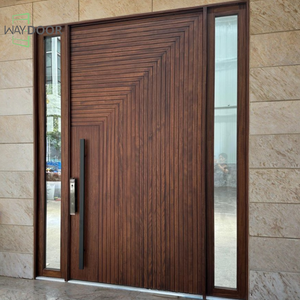
Premium Finished Oversize Heavy-Duty Single Front Entry Door With 2 Sidelights Oak Mahogany Solid Wood Exterior Pivot Door
Request Technical Specs →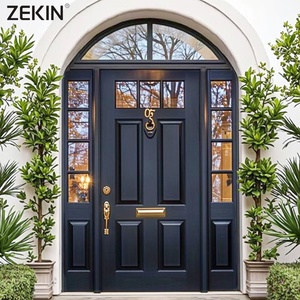
ZEKIN Customized Modern Style Aluminum Entrance Door Exterior Entry Front Solid Pivot Door for Villa Front Entry Door Smart Lock
Request Technical Specs →
High-End Luxury Entrance Pivot Front Door Stainless Steel Entrance Door Exterior Security Solid Wood Front Pivot Door For House
Request Technical Specs →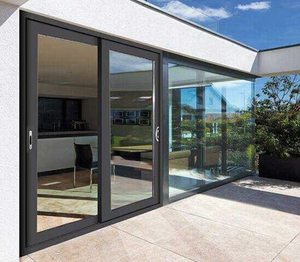
RG93.6 High Quality Durable Thermal Insulation Energy-saving Sliding Doors Exterior Aluminum Glass Sliding Doors Courtyard Doors
Request Technical Specs →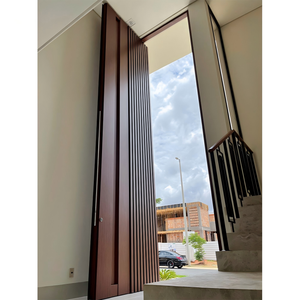
Heavy-Duty Extra Large Aluminum Pivot Door Modern Smart Lock Luxury Villa Apartment Exterior Entry Door Anti-Theft Waterproof
Request Technical Specs →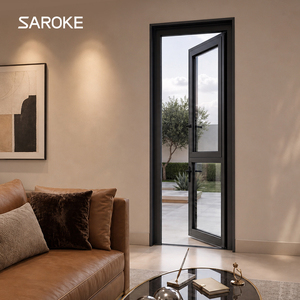
American Standard House Black Metal Patio Exterior Thermal Break Aluminum Doors And Windows
Request Technical Specs →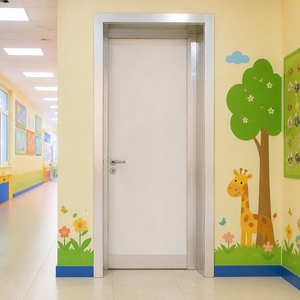
Modern Design Aluminum Fireproof Front Door Anti-Corrosion Thermal Break Soundproof Metal Security Door for House
Request Technical Specs →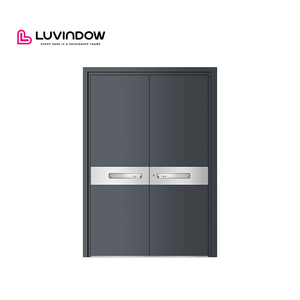
Modern Giant Iron Entry Wrought Aluminum Door with Arched Steel Design Anti-Theft Feature for Villa Application
Request Technical Specs →Crestor Engineering Excellence: 28 Years of Structural Breakthroughs
Founded in 1997, Crestor Door Manufacturing Co., Ltd. operates as an integrated OEM/ODM power manufacture base specializing in architectural aluminum fenestration. Spanning over 160,000 square meters across our state-of-the-art Dongying smart production facility and supported by our advanced R&D center in Shunyi District, Beijing, Crestor bridges the gap between high-end system-brand engineering and factory-direct procurement economy.
With over 200 skilled engineers, metallurgists, and technical experts, Crestor oversees every step of the value chain: from high-precision extrusion profile machining, powder coating, and PVDF spraying, to multi-layer insulating glass unit (IGU) processing, laser cold-welded corner joint fabrication, and strict ISO 9001:2015 quality control.
“Real hurricane resistance requires single-source accountability. By managing aluminum extrusion, thermal strip crimping, glass lamination, and multi-point hardware integration under one roof, we eliminate weak links in structural integrity.”
AS 2047 & CE Compliance
Certified under Australia's stringent AS 2047 standard (StandardsMark Licence SMK41686) and European Union CE EN 14351-1 norm, fulfilling all structural wind load, water tightness, and acoustic criteria.
High-Security Multi-Point Locking
Heavy-duty stainless steel hook bolts and anti-pry locking pins tested against extreme mechanical impact, forced entry tactics, and sustained cyclic wind vibration.
Engineering Hurricane-Resistant Front Doors: Structural Mechanics & Materials
An in-depth technical analysis for architectural specifiers, structural engineers, and commercial building contractors operating in coastal high-velocity hurricane zones (HVHZ).
1. High-Tensile Aluminum Alloys & Thermal Breaks
Standard architectural entry doors rely on basic 6063-T5 aluminum extrusions with low wall thicknesses. Crestor hurricane-resistant entrance systems utilize heavy-wall 6063-T6 or 6061-T6 structural aluminum profiles featuring internal rib reinforcement and nominal wall thicknesses up to 3.0 mm. To prevent thermal bridging without compromising structural shear strength, we integrate fiberglass-reinforced Polyamide (PA66 GF25) thermal break strips, maintaining rigid structural load capacities against positive and negative design pressure (DP) spikes exceeding 5.0 kPa.
2. Impact-Resistant Laminated Glass & Interlayers
Glazed front entry doors must withstand direct impacts from windborne debris moving at speeds over 50 feet per second (15 m/s). Crestor impact-rated systems feature multi-layered laminated safety glass engineered with high-stiffness DuPont SentryGlas® (SGP) or specialized Polyvinyl Butyral (PVB) interlayers sandwiched between tempered Low-E glass panes. Even if the outer glass pane fractures upon heavy missile impact, the structural SGP/PVB membrane remains intact, maintaining the building envelope seal and preventing catastrophic pressure equalization inside the building structure.
3. Multi-Chamber EPDM Sealing & Dynamic Drainage
Water infiltration during tropical storms occurs when high wind pressure forces rain through frame joints and sash gaps. Our CE-certified doors incorporate a 3-stage continuous EPDM (Ethylene Propylene Diene Monomer) rubber gasket sealing system combined with patented pressure-equalized internal drainage channels. Tested to withstand static and dynamic water pressure up to 700 Pa (Grade 6 water tightness), Crestor front doors block wind-driven rain under severe typhoon and hurricane storm surges.
Standard Front Doors vs. Crestor CE Hurricane-Rated Entry Systems
Comprehensive technical benchmark metrics audited under international standards GB/T 31433, EN 14351-1, and AS 2047 testing frameworks.
| Performance Property | Standard Commercial Entry Door | Crestor Heavy-Duty Hurricane Door | Certified Standard / Grade |
|---|---|---|---|
| Wind Load Resistance (P3) | 1.5 kPa – 2.5 kPa | 5.0 kPa (104 PSF Design Pressure) | Grade 9 · Top Class |
| Water Tightness (Delta P) | 250 Pa – 350 Pa | 700 Pa (Storm-Driven Rain Proof) | Grade 6 · Top Class |
| Air Infiltration / Tightness | Grade 4 (Moderate leakage) | Grade 8 (Near-Zero Draft Leakage) | EN 12207 Class 4 |
| Thermal Insulation (U-Value) | 2.2 – 3.5 W/m²K | U ≤ 0.9 – 1.4 W/m²K (Low-E + Argon) | Passive House Compatible |
| Acoustic Attenuation (Rw) | 28 dB – 32 dB | Up to 44 dB (Acoustic Laminated) | ISO 717-1 Certified |
| Windborne Debris Impact | Non-Rated (Fractures easily) | Large Missile Impact (9-lb 2x4 at 50 fps) | ASTM E1996 / CE EN 14351 |
| Hardware & Lock Security | Single Latch / 3-Point Lock | 5 to 7-Point Stainless Hook Locking | RC3 / PAS 24 Security |
Future Procurement Trends for Hurricane-Resistant Front Doors (2025–2030)
How shifting climate resilience standards, smart home integrations, and decarbonization mandates are shaping international door sourcing.
1. SGP Structural Interlayers Over standard PVB
Global procurement specs are rapidly transitioning from traditional PVB laminated glass to SentryGlas® (SGP) ionoplast interlayers. SGP provides 5 times the tear strength and 100 times the rigidity of conventional PVB, ensuring that oversized front entry doors retain optical clarity while offering unmatched structural post-breakage resistance during severe hurricanes.
2. Integration of Biometric Smart Locking with Mechanical Hooks
Modern architectural projects demand seamless access without compromising physical security. Procurements now emphasize hybrid locking platforms—combining motorized multi-point mechanical hook locks with integrated facial recognition, fingerprint readers, and smart home IoT automation that maintain deadbolt engagement even during storm power outages.
3. Decarbonized Low-Carbon Extrusions & EPD Certification
European and North American developers increasingly mandate Environmental Product Declarations (EPDs). Sourcing teams are prioritizing door factories that utilize hydro-powered prime aluminum billets and recycled scrap aluminum to lower embodied carbon, while delivering thermal U-values below 1.0 W/m²K to meet zero-carbon building targets.
4. Oversized Architectural Form Factors & Pivot Mechanics
Luxury residential designs favor massive front entry statements—doors reaching heights of 3.5 to 4.5 meters and widths over 2.0 meters. Sourcing hurricane-rated pivot doors requires heavy-duty stainless steel pivot hardware capable of supporting panel weights exceeding 400 kg while maintaining effort-free, smooth opening mechanics.
Streamlined 6-Stage OEM/ODM B2B Procurement Workflow
From CAD drawing validation to sea freight crate loading, Crestor guarantees total transparency and quality control for distributors and general contractors.
Procurement & Engineering FAQ for B2B Importers
Clear, direct answers regarding certifications, structural engineering, customization, and factory logistics.
What makes a front entry door truly "CE Certified Hurricane Resistant"?
Can Crestor customize door sizes, sidelights, and architectural panel designs?
What is the structural difference between Pivot Entry Doors and Hinge Entry Doors in hurricane zones?
What certifications and export documentation does Crestor supply?
How are oversized front doors packed to prevent transit damage during sea shipping?
What is the minimum order quantity (MOQ) and lead time for custom project orders?
Partner with a Leading CE Certified Hurricane Door Factory
Whether you are sourcing custom front doors for coastal luxury developments, distributing high-end architectural fenestration, or requiring OEM private-label production, Crestor’s engineering team is ready to analyze your architectural plans and BOQ schedules.