Featured CE-Compliant Entry & Exterior Glass Doors
Direct factory supply featuring thermal break aluminum, heavy-duty stainless steel security structures, and architectural tempered double-glazed entry systems.
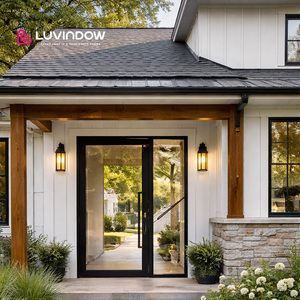
Soundproof Aluminum Glass Exterior Door Tempered Double Glazed Anti-theft For American Residential Project
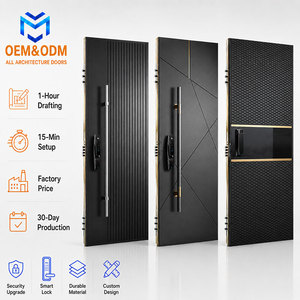
Custom Home Luxury Soundproof Security Stainless Steel Exterior Modern Entrance Bedroom Swing Door with Smart Lock
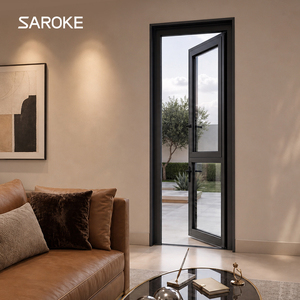
American Standard House Black Metal Patio Exterior Thermal Break Aluminum Doors And Windows
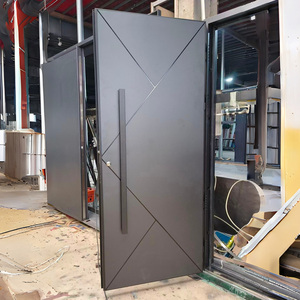
Homart Australia Modern Luxury Black Multilock Stainless Steel Anti-Theft Security Door Ballistic Proof for Exterior Entry Villa
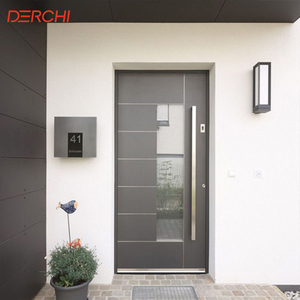
Exterior Aluminum Entry Door Front Door Security Door for Homes Villas and Apartments Custom Size
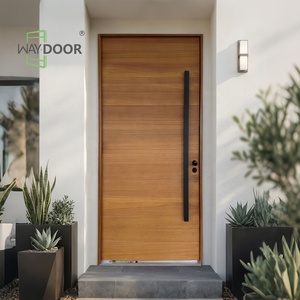
Custom Flush Oversized Front Entry Doors For Houses Heavy Duty Entrance Security Mahogany Oak Solid Wood Pivot Exterior Door
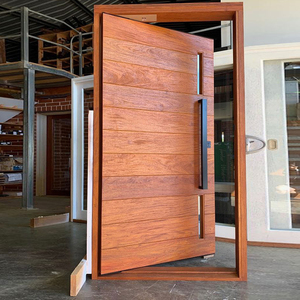
Custom Villa Modern Exterior Pivot Solid Wood Entry Front Wooden Entrance Door for House
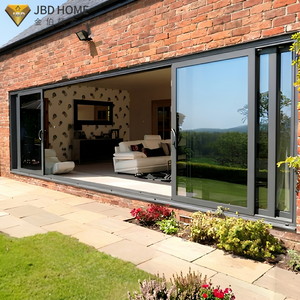
Modern Exterior 4 Panel Aluminum Sliding Glass Door Double Glazed Tempered Patio Entrance for Residential Villa Projects
Crestor Door Manufacturing Co., Ltd. Engineering Authority
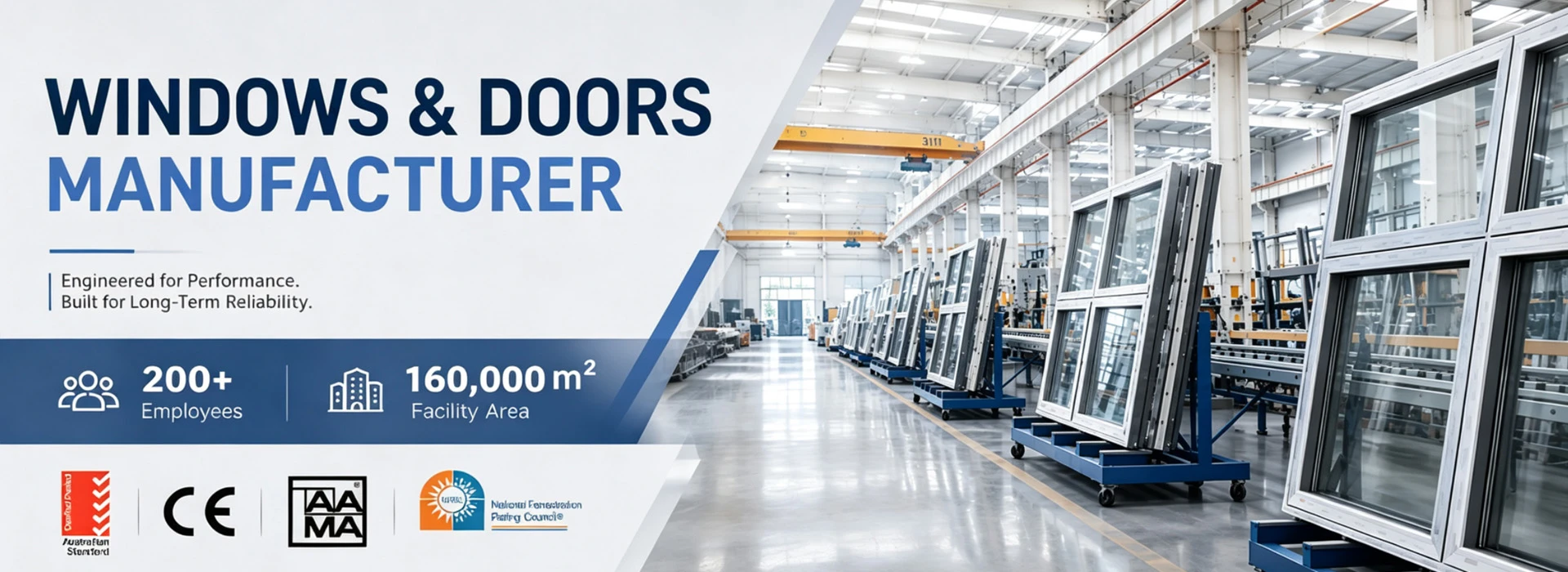
Established in 1997, bridging high-precision window engineering with direct-factory export capacity across five continents.
System-Brand Precision with Direct Factory Scale
At Crestor Door Manufacturing Co., Ltd., we combine the technical depth of an architectural system designer with the cost efficiency of a 100,000 m² primary manufacturing facility located in Dongying, Shandong, backed by our dedicated R&D Center in Beijing.
Unlike trade intermediaries, every step of our glass entry door manufacturing—from 6060-T66 aluminum extrusion machining, fluorocarbon (PVDF) powder coating, and insulating glass unit (IGU) lamination to final multi-point hardware assembly—is executed entirely in-house. This centralized control ensures strict adherence to European Conformity (CE) marking guidelines under EN 14351-1.
- Laser Cold-Welding Corner Technology: Seamless structural strength and leak-proof frame joints.
- AS 2047 & ISO 9001:2015 Accreditation: SMK41686 License holder with certified quality control.
- PA66GF25 Polyamide Thermal Barriers: Delivering low U-values compliant with modern building codes.
Understanding CE Certification Standards for Exterior Glass Doors
A complete breakdown of EN 14351-1 criteria, Initial Type Testing (ITT), and Factory Production Control (FPC) for international procurement officers.
EN 14351-1 Harmonized Standard
The mandatory European benchmark specifying performance characteristics for pedestrian doorsets. CE Certified Glass Entry Doors must demonstrate verified results for air permeability, water tightness, wind resistance, and thermal transmittance before receiving the Declaration of Performance (DoP).
EN 12150-1 Toughened Safety Glass
Structural door glazes must utilize thermally toughened soda lime silicate safety glass. Under impact testing, CE certified doors fragment into small, blunt particles, minimizing injury risk while providing superior mechanical bending strength against wind pressure up to 5.0 kPa.
EN ISO 10077-1 Thermal Transmittance
Evaluates the total thermal transmittance (Ud value) of the combined door frame and insulated glass unit. Utilizing low-emissivity argon-filled glass double-glazing and PA66GF25 thermal breaks, modern CE entry doors achieve Ud ≤ 0.9 W/m²K for Passive House applications.
National Test Center Verified Performance Parameters
Tested under GB/T 31433 and cross-referenced with European Standard EN 14351-1 classes:
| Performance Metric | Tested Engineering Value | CE / GB Standard Rating | Project Sourcing Implication |
|---|---|---|---|
| Wind Load Resistance | 5.0 kPa (P3 pressure) | Grade 9 · Top Class | Engineered for extreme coastal hurricanes, high-rise architectural entrances, and exposed exterior facades. |
| Water Tightness | 700 Pa (Delta P) | Grade 6 · Top Class | Prevents rain leakage under heavy wind-driven storm conditions; eliminates interior water damage risks. |
| Air Permeability | q1 ≤ 0.5 m³/(m·h) | Grade 8 · Airtight | Minimizes air infiltration, maintaining HVAC efficiency and passing stringent building energy audits. |
| Acoustic Insulation | Rw = 44 dB Damping | Class 4 Acoustic | Reduces outdoor urban noise pollution; ideal for luxury villas, city center apartments, and boutique hotels. |
| Overall Ud Value | 0.8 – 1.2 W/m²K | Passive House Standard | Drastically lowers thermal transfer, earning green building points (LEED / BREEAM certifications). |
Future Procurement & Development Trends in Glass Entry Doors (2025–2030)
Key technological shifts driving global procurement decisions among commercial developers, architects, and fenestration importers.
1. Smart Access & Motorized Mechatronics Integration
Procurement focus is moving toward smart entry door ecosystems. High-end glass entry doors now incorporate concealed motorized multi-point locks, biometric 3D facial recognition, RFID keypads, and seamless integration into KNX or Zigbee smart home automation networks.
2. Oversized Architectural Pivoting Systems
Minimalist architectural designs favor oversized pivot glass doors up to 3 meters in width and 6 meters in height. These doors utilize heavy-duty floor springs, offset hydraulic hinges, and structurally bonded tempered glass to deliver smooth 360-degree rotation with zero sag over decades.
3. Decarbonized Low-Carbon Supply Chains
European Union carbon border adjustment mechanisms (CBAM) are compelling buyers to audit supplier carbon footprints. Exporters like Crestor leverage hydro-powered aluminum smelting and recycled 6060-T6 billets to produce ultra-low embodied carbon entrance systems.
Inside Crestor's Direct Manufacturing & OEM/ODM Process
From digital architectural shop drawings to sea-freight container packing, how we eliminate sourcing risk for B2B importers.
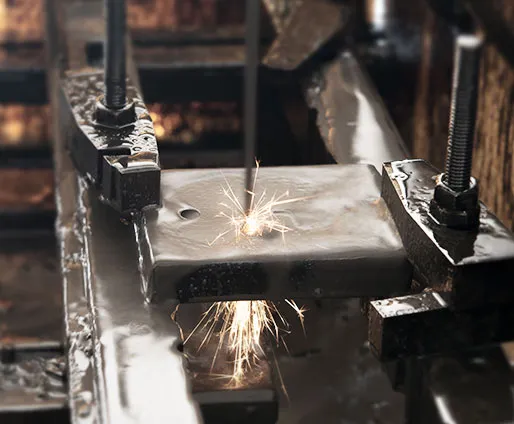
1. Precision CNC Machining
5-axis CNC profile milling guarantees ±0.05 mm tolerances across lock mortises, hinge cutouts, and corner miters, ensuring exact fit and seal compression.
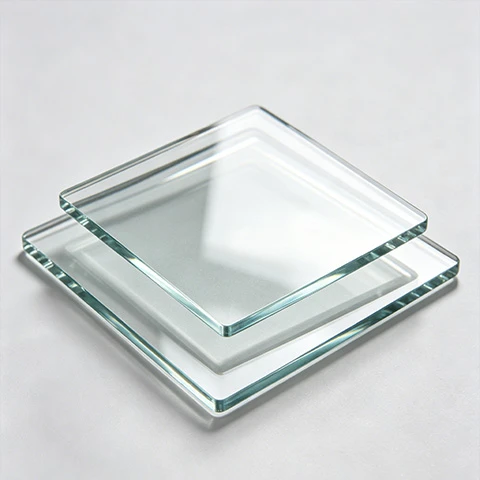
2. In-House Glass Processing
Fully automated glass cutting, tempering, argon gas filling, and dual-seal warm edge silicone edging ensure long-term IGU clarity without fogging.
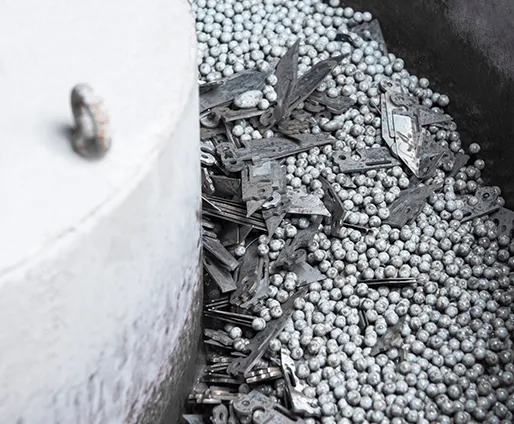
3. Corner Cold Welding
Patented laser cold-welding corner assembly combined with corner cleats prevents frame joint separation under extreme structural loads.
Frequently Asked Questions for Glass Door Sourcing
Direct technical answers for architectural specifiers, sourcing directors, and fenestration distributors.
What documentation is provided to verify CE compliance for European imports?
What are the lead times and Minimum Order Quantities (MOQ) for custom entry doors?
How are oversized glass entry doors packaged to prevent damage during ocean transit?
Can Crestor manufacture custom thermal break profiles for regional building codes?
What hardware brands and multi-point lock configurations are available?
Request Architectural CAD Drawings & Direct Factory Pricing
Have project elevations or a Bill of Quantities (BOQ)? Connect directly with our fenestration engineering team for custom profile selection, thermal analysis, and competitive FOB/CIF quotations.