[email protected] R&D Beijing · Factory Dongying, China
English
0%

Choosing an exterior door involves more than picking a color or matching the home’s style. An Aluminum Residential Door can offer a clean appearance, practical durability, and flexible design options. Yet the right choice depends on the entrance, local weather, privacy needs, and daily use. A busy family entry may need different features from a quiet patio opening.

This guide explores ten common types, from hinged and sliding doors to folding and glass-panel designs. Each option has trade-offs. A wide glass panel can brighten a room, but it may reduce privacy or increase heat gain without suitable glazing and shading. A sturdy frame matters, but so do the locks, seals, threshold, and installation quality. Small details matter.

When comparing designs, look beyond product photos. Check dimensions, opening direction, finish, glazing, and the manufacturer’s stated performance information. Ask a qualified installer how the door will fit the existing opening and handle exposure to rain or sun. Requirements vary by home. Even attractive doors can disappoint if they are poorly measured or installed. This is worth remembering.

The following overview is a starting point, not a substitute for checking product specifications. Use it to identify styles that suit your space, then compare materials and features carefully. The best door is the one that works reliably in your home, not simply the one that looks impressive in a showroom.
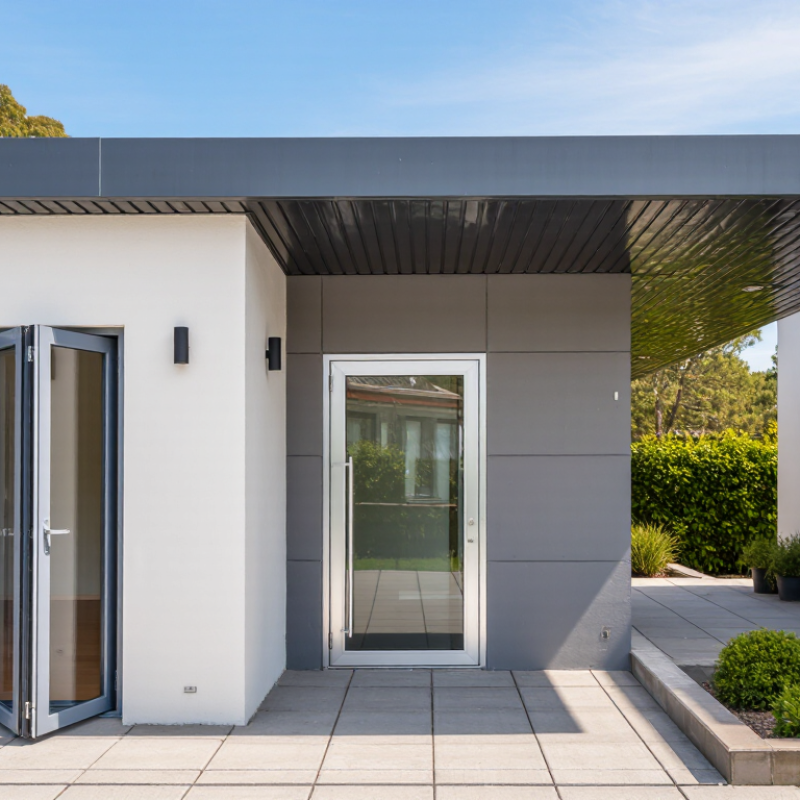
Top 10 Types of Aluminum Residential Doors for Homes

How Aluminum Residential Doors Are Classified by Design and Function

Aluminum residential doors can be classified by opening style and intended function. A single-swing entry door suits a compact porch, while a double-swing pair creates a wider, balanced entrance. French-style doors use glazed panels and usually swing inward or outward. Pivot doors rotate on floor and head pivots, giving a broad opening, but they need careful planning for clearance.

For patios, standard sliding doors move along a track and save floor space. Lift-and-slide models raise slightly before moving, which can help support heavier glazed panels. Bi-fold doors fold into a stack, connecting indoor and outdoor areas when fully open. They look striking, though the folded panels still occupy wall space. Check track drainage and hardware access.

Other types serve more specific needs. Aluminum screen doors allow airflow while helping keep insects outside. Storm doors add a secondary layer in exposed locations, and utility doors suit garages, laundry rooms, or side entrances. Small details matter: a low threshold helps with everyday access, while quality seals reduce drafts. One common mistake is choosing by appearance alone. Frame depth, glazing, locks, and local weather all affect comfort and upkeep. A dark frame can also feel warmer in direct sun. That detail is easy to overlook.

Swinging Door Types: Hinged, Pivot, and French Designs

Hinged, pivot, and French designs give aluminum residential doors distinct ways to shape an entry. A hinged door turns on side-mounted hinges, making it a practical choice for many homes. Its frame should be square, and the hinges need support for the door’s weight. Small alignment errors can cause rubbing. It happens.

A pivot door rotates on hardware near the top and bottom, creating a broad, clean opening. It suits a spacious entry, but requires careful planning for clearance and floor conditions. French doors use two hinged panels that meet in the middle. They can bring in more daylight, especially with glazed panels, though the central meeting point needs a reliable seal against drafts and rain.

Tips: Measure the full swing path, not just the doorway. Check nearby walls, furniture, and steps. For French doors, confirm that both panels open comfortably and that the meeting edge closes evenly. Ask an experienced installer to assess the frame and threshold before choosing hardware. A wider opening may feel impressive, but it is not always easier to use; daily traffic and wind exposure matter too.

Sliding Door Types: Standard, Multi-Slide, and Lift-and-Slide Designs

Standard sliding doors use two or more panels, with one moving along a track. They suit compact patios, but the fixed panel limits the clear opening. Dirt in the lower track can also make operation rough.

Small detail, big difference.

Multi-slide systems stack several panels beside one another or into a wall pocket, creating a wider opening for entertaining. They need more wall space, precise installation, and careful track drainage.

Lift-and-slide doors raise their panels slightly before movement, reducing contact with the seals and making large, heavy panels easier to operate. The trade-off is added hardware and a more involved installation.

Ask for panel weight, tested air leakage, and water-penetration results—not just glass thickness. The 2021 International Energy Conservation Code, Table R402.1.2, sets a maximum fenestration U-factor of 0.30 in climate zones 4–8; local requirements may differ. The National Fenestration Rating Council’s rating system provides comparable U-factor and solar heat-gain data for rated products. Use those figures to compare complete door assemblies, not isolated glass. A good rating still cannot fix a poorly aligned frame.

Folding and Specialty Types: Bi-Fold, Patio, Storm, and Screen Doors

Bi-fold aluminum doors open wide by folding several panels along a track, making them useful for connecting a living room with a garden or covered patio. Their slim frames can preserve daylight, but the panels need clear space to stack. Check the track, hinges, and locking points regularly; grit can make movement uneven. They look effortless in photos. Daily use is less forgiving.

Patio doors often slide rather than fold, so they suit tighter areas where swinging panels would get in the way. Storm doors add a protective outer layer at an entry, while screen doors allow airflow and help keep insects outside. For either type, fit matters: a poorly aligned frame may rattle, drag, or leave gaps. Aluminum is generally low-maintenance, though finishes and hardware still need care, especially in damp or coastal conditions.

Tips: Measure the opening at several points before ordering, since older homes may not be perfectly square. Ask how the door drains water and whether its screens or panels can be replaced separately. Test the handle and threshold in person if possible. A smooth glide is useful; easy cleaning matters, too. Don’t overlook it.

How to Choose an Aluminum Door for Each Area of the Home

Choose an aluminum entry door for weather protection and daily security. Look for a thermally broken frame, which helps limit heat transfer, and check that the threshold seals evenly. A solid panel offers privacy, while a narrow glazed section brings daylight into a dark hall. Measure the opening, including the frame, before comparing sizes. Small gaps matter.

For patios and balconies, sliding doors save floor space and suit narrow rooms. Their tracks need regular cleaning, especially where dust and leaves collect. Hinged or folding designs create a wider opening, but require clear space and careful hardware checks. Choose insulated glazing when the room faces harsh sun or cold winds. A large glass door may feel bright, yet it can also reduce privacy.

Bathrooms and utility rooms call for different choices. A slim aluminum door with frosted glass can share light without exposing the room. Check that the glass is suitable for its location and that the door allows practical ventilation. For bedrooms, a solid or insulated panel may help reduce noise, though aluminum alone does not guarantee soundproofing. There is no perfect option. Match the frame, glazing, opening style, and finish to the room’s use, then confirm measurements and installation details with a qualified installer.

Top 10 Types of Aluminum Residential Doors for Homes — How to Choose an Aluminum Door for Each Area of the Home

# Door Type Best Area of the Home How It Opens Key Advantages What to Consider When Choosing
1 Aluminum Hinged Entry Door Main entrance, side entrance, or back entrance Swings inward or outward on hinges Familiar operation, a wide range of panel and glazing options, and a strong frame when correctly specified. Check the door’s tested air and water performance, security hardware, threshold, and finish. For glazed areas, use safety glazing where required by local code.
2 Aluminum Sliding Patio Door Living room, dining room, or bedroom opening onto a patio or balcony One or more panels slide horizontally along a track Does not need swing clearance and can provide a broad glazed opening with a compact footprint. Compare panel configuration, track drainage, screen options, locking points, and glass performance. Allow space for the panels to stack or overlap.
3 Aluminum French Patio Door Patio, garden, or terrace access where a wide opening is useful Two hinged panels meet at the center; one or both may open Creates a wide clear opening when both panels are active and suits traditional or contemporary designs. Provide enough room for the swing, and check the inactive-panel bolts, sill design, weather seals, and threshold accessibility.
4 Aluminum Bifold Patio Door Large openings between an indoor living area and an outdoor space Multiple linked panels fold and stack to one or both sides Can open a large portion of the wall opening and create a flexible connection to outdoor areas. Confirm the stacking direction, clear opening width, panel weight, track requirements, and installation tolerances. A larger opening may need structural support.
5 Aluminum Lift-and-Slide Patio Door Large patio openings and rooms with expansive exterior views The handle lifts the panel slightly so it can roll along a track Designed to move large, heavy panels with reduced operating effort when properly installed and adjusted. Check panel size and weight limits, sill and drainage details, locking hardware, and the manufacturer’s performance ratings for the intended exposure.
6 Aluminum Screen Door In front of an exterior entry or patio door for ventilation Usually hinged or sliding, depending on the opening Allows airflow while helping keep insects out; a lightweight frame is suitable for frequent seasonal use. A screen door is not a substitute for a secure, weather-sealed exterior door. Choose mesh and hardware suited to pets, children, and local conditions.
7 Aluminum Storm Door Over an existing exterior entry door Usually hinged; some models have interchangeable glass and screen panels Can add a layer in front of the main door and may provide a ventilating screen option. Check compatibility with the existing door, entry clearance, closer and latch hardware, and ventilation needs. Follow installation guidance to avoid trapping moisture or heat.
8 Aluminum-Frame Interior Swing Door Home office, study, or room divider Swings on side hinges Glazed panels can share light between rooms while the frame provides a defined architectural outline. Choose clear, frosted, or other suitable glazing for privacy. Check the swing path and select safety glazing where required by local code.
9 Aluminum-Frame Interior Sliding Door Closet, pantry, laundry area, or compact room divider Slides along a wall-mounted or recessed track Saves swing clearance and can be useful where floor space is limited. Confirm that the wall has room for the panel to travel and that the track, guides, and stops suit the door’s size and weight. Sliding doors may provide less sound separation than well-sealed swing doors.
10 Aluminum Residential Garage Door Garage opening, including attached or detached residential garages Commonly sectional panels that travel on tracks, or a single panel in some designs Aluminum construction can reduce panel weight compared with some heavier materials and supports a range of panel and glazing layouts. Check track and spring specifications, wind-load ratings where relevant, insulation needs, safety features, and compatibility with the garage-door opener. Use qualified installation for spring and track systems.

FAQS

What is the difference between standard sliding and multi-slide doors?

A standard door usually has one moving panel and one fixed panel. It fits compact patios, but the fixed panel limits the opening. Multi-slide panels stack together, creating a wider passage. They need more wall space and careful drainage.

How does a lift-and-slide door work?

Turning the handle lifts the panel slightly before it moves. This reduces contact with the seals and helps heavy panels glide. The hardware and installation are more involved. Ask about the complete door’s air and water performance.

When might a bi-fold door be a good choice?

Bi-fold panels fold along a track, opening a living room toward a garden or covered patio. They need clear space for stacked panels. Check the hinges, locks, and track for grit. Wide openings are appealing, but daily upkeep matters.

Are sliding doors suitable for narrow rooms?

Yes. Sliding panels do not swing into the room, so they can suit tight patios and balconies. Dust and leaves can collect in the track. Clean it regularly. A neglected track can make a good door feel frustrating.

What should I check when choosing an aluminum entry door?

Look for a thermally broken frame and a threshold that seals evenly. A solid panel offers privacy; a narrow glazed section can brighten a dark hall. Measure the opening, including its frame. Small gaps matter.

Can aluminum doors help keep a room quiet?

An insulated or solid panel may help reduce noise in a bedroom. Aluminum alone does not make a door soundproof. Check the glazing, seals, and frame fit too. Expectations can be a little optimistic.

What door works well for a bathroom or utility room?

Frosted glass can share light while preserving privacy. Check that the glass suits the location and that ventilation is practical. A poorly fitted door may still leave unwanted gaps.

What should I ask before ordering an aluminum door?

Measure the opening at several points; older homes may be out of square. Ask how water drains and whether screens or panels can be replaced separately. Test the handle and threshold in person if possible. A smooth glide helps. So does easy cleaning.

Conclusion

Aluminum residential doors come in a variety of designs, each suited to different spaces and needs. Swinging options include traditional hinged doors, pivot doors that create a striking entrance, and French doors that open up a room with a broad passage. Sliding designs range from standard panels to multi-slide systems for wider openings and lift-and-slide models that combine smooth operation with a secure, close-fitting seal.

Folding and specialty choices add further flexibility. Bi-fold doors can connect indoor and outdoor areas, while patio, storm, and screen doors offer practical options for comfort, weather protection, and ventilation. When choosing an Aluminum Residential Door, consider where it will be installed, how much space is available, the desired amount of natural light and airflow, and how often the doorway will be used. Matching the door’s operation and features to each area helps create a home that is both functional and inviting.

Amelia

Amelia

Amelia is a professional marketing specialist dedicated to helping businesses understand how thoughtful products and practical solutions can support long-term growth. With a strong knowledge of the company’s product portfolio, she translates complex features into clear, useful information that......