Choosing a Luxury Aluminum Entry Door involves more than admiring a dramatic finish or oversized glass panel. The decision affects security, weather resistance, energy use, maintenance, and architectural character. This guide examines each factor through practical measurements, not showroom impressions.
The U.S. Department of Energy reports that windows can account for 25–30% of residential heating and cooling energy use. Entry doors are not identical to windows, but weak frames, poor seals, and unprotected glazing can still increase drafts and comfort problems. Look for tested air leakage, water penetration, structural performance, and thermal values under recognized FGIA or NAFS standards. A reliable manufacturer should provide documentation, not vague promises. Ask for the performance label.
Aluminum also deserves a balanced assessment. The International Aluminium Institute states that recycled aluminum uses about 5% of the energy required for primary aluminum production. That supports circular material choices, although recycled content, coating quality, and manufacturing location still matter. Sustainability is not automatic. Neither is luxury.
Inspect the door in real conditions. Picture rain striking the threshold, a delivery package beside the opening, and afternoon sun warming the dark finish. Check hinge capacity, multi-point locking, drainage paths, gasket compression, and replacement-part availability. A beautiful door with difficult service access may become an expensive regret. This guide will help compare profiles, glass, hardware, finishes, installation quality, and total ownership cost before selecting a Luxury Aluminum Entry Door that performs as impressively as it looks.
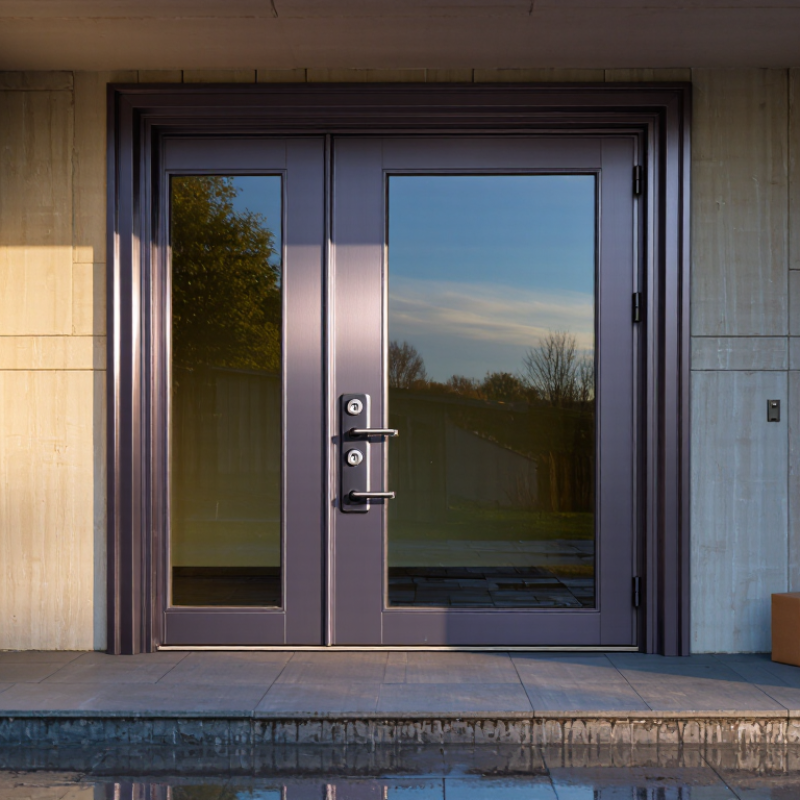
Choosing a luxury aluminum entry door begins with your daily needs, not a showroom photograph. Ask how much daylight your entrance receives. Check the direction of rain and afternoon sun. Measure the opening carefully, including wall depth and threshold height. A thermally broken frame can help limit heat transfer. Weather seals matter in windy or wet locations.
Define the atmosphere you want. Slim profiles suit clean, contemporary homes. Wider frames can create a stronger, more traditional presence. Consider the relationship between the door, flooring, lighting, and nearby windows. Clear glass feels open, while textured or low-reflective glass offers more privacy. A matte finish hides fingerprints better than a high-gloss surface. Dark colors look dramatic, but they may show dust quickly.
Think about real use. Will children, pets, or delivery traffic pass through this entrance? A durable finish, smooth hinges, and a practical locking system deserve attention. I once focused too heavily on appearance and overlooked the door swing. That mistake made the entry feel cramped. Leave enough clearance for furniture and wet shoes. Ask an experienced installer to confirm structural support, drainage, hardware alignment, and applicable building requirements. Request finish samples in natural daylight. Screen colors can mislead. Luxury is not only visual; it is the quiet movement, stable temperature, secure closure, and confident fit you notice every day.
Luxury begins with engineering, not decoration. Check the alloy designation, wall thickness, and extrusion consistency. High-quality aluminum should feel rigid when the door closes. It should not flex around the lock or hinge areas. The Aluminum Association explains that alloy and temper affect strength, durability, and corrosion performance. Ask for documented test results, not vague claims.
Weather resistance needs measurable proof. Look for tested air leakage, water penetration, and structural performance under AAMA/WDMA/CSA 101/I.S.2/A440. ASTM E283 measures air leakage, while ASTM E331 evaluates water resistance. A thermal break also matters. U.S. Department of Energy Building America research identifies thermal bridging as a major source of envelope heat loss. A strong frame can still perform poorly without an insulated barrier. Check the NFRC-rated U-factor and condensation resistance. Small numbers matter here.
Tips: Inspect every corner. Confirm the drainage path. Request finish data for coastal exposure. Powder coating is not magic; poor preparation can still cause failure. I have seen beautiful doors with weak seals and cold interior edges. That mistake is easy to miss in a showroom. Think beyond weight. Verify hardware cycles, gasket compression, and installation tolerances. The best specification can fail when the frame is fitted unevenly. Recheck the installer’s method before approving the final finish.
Choose aluminum profiles with continuous thermal breaks, insulated cores, and compression seals. During a winter inspection, a thermal camera can reveal cold lines around hinges and the threshold. Small gaps matter.
The U.S. Department of Energy reports that windows and doors can account for roughly 25–30% of residential heating and cooling energy use. A door contributes less than a full window system, but poor installation can erase expensive material upgrades. Check tested U-factor and air-leakage results, rather than trusting vague words like “energy-saving.”
Look for a reinforced frame, a multipoint locking system, protected hinges, and laminated glass beside the lock. The door should resist forced leverage without becoming excessively heavy.
Ask for test documentation, installation tolerances, and replacement procedures. I would not treat a smart lock as a security guarantee. It adds convenience, but batteries fail and wireless signals can be interrupted.
NISTIR 8259 recommends unique device identification, secure updates, data protection, and controlled access for connected devices. Choose encrypted communication, multi-factor authentication, activity alerts, and local unlocking options. Keep a physical key available.
Convenience is not security. A door with excellent sensors may still perform poorly when the threshold is uneven or the weather seal is compressed incorrectly. That detail is easy to overlook.
How to Choose a Luxury Aluminum Entry Door?
A luxury aluminum entry door should begin with the opening, not the handle. Measure the rough opening, wall depth, threshold, and swing clearance carefully. Custom sizing can create a cleaner elevation and reduce awkward filler panels. Consider pivot, single, double, or sliding designs. Each option changes circulation, weather sealing, and daily comfort. A pivot door feels dramatic, but it needs precise alignment and generous entry space.
Finish selection should match the building’s light, texture, and maintenance expectations. Powder-coated surfaces offer consistent color, while anodized finishes reveal more metallic character. Glass needs equal attention. Low-emissivity, laminated, or textured glass can balance daylight, privacy, security, and energy performance. The U.S. Department of Energy reports that windows can represent 25–30% of residential heating and cooling energy use. A glazed door deserves similar scrutiny. Select hardware with a strong latch, adjustable hinges, and a grip that feels natural. Small details matter.
Tips: Ask for full-size finish samples. Test the handle before ordering. Check the threshold against local weather exposure. The 2024 Cost vs. Value Report recorded 188.1% cost recouped for a steel entry-door replacement, but this is not an aluminum guarantee. It is only a useful market benchmark. I have seen beautiful doors feel wrong because the swing was rushed. Recheck drawings. Reflective glass can also appear darker indoors than expected. Sample it in morning and evening light.
Glass selection strongly affects privacy, daylight, and curb appeal. The values below show approximate visible light transmission levels for common residential glass options; exact performance varies by glass thickness, coating, tint, and manufacturer.
Choosing a luxury aluminum entry door requires more than inspecting its finish. Confirm compliance with ASTM E2112 installation practices and local building codes. Ask for documented air, water, and structural performance results. The U.S. Department of Energy reports that windows can account for 25–30% of residential heating and cooling energy use. A poorly sealed entrance can worsen comfort, even when the door looks flawless. Check the sill pan, threshold height, flashing, backer rod, and perimeter sealant. These small details decide whether rainwater stays outside.
Warranty coverage deserves equal attention. Request separate terms for the aluminum frame, powder coating, glass, locks, hinges, and installation labor. Clarify whether coverage includes chalking, fading, corrosion, water penetration, and hardware failure. Some warranties exclude coastal exposure, poor drainage, or unauthorized modifications. Read the exclusions. A transferable warranty may also support resale value, but transfer deadlines can be surprisingly short. Compare the promised coating performance with AAMA/FGIA finish classifications, rather than trusting phrases such as “premium grade.”
Long-term maintenance should be practical. Clean the frame and drainage paths twice yearly with mild soap and fresh water. Inspect sealant joints after severe storms. Remove salt deposits quickly in coastal areas. The U.S. Environmental Protection Agency notes that ENERGY STAR criteria address performance and durability for qualified doors and fenestration products, but certification does not replace correct installation. I once assumed a heavier door meant better quality; that judgment was incomplete. Weight, alignment, drainage, and service access matter more over ten years. Keep repair records and photographs. They can prevent warranty disputes.
Measure the opening width, height, wall depth, and threshold height. Check the door swing and nearby furniture clearance. Leave room for wet shoes and deliveries. Small errors matter.
Slim profiles create a clean, contemporary appearance. Wider frames feel stronger and more traditional. Match the door with flooring, lighting, and nearby windows. Dark finishes look dramatic but show dust quickly.
Clear glass brings in more daylight and creates an open feeling. Textured or low-reflective glass provides greater privacy. Check the entrance from the street at night. That view can surprise you.
Ask about the alloy, temper, wall thickness, and extrusion consistency. A rigid door should close without flexing near hinges or locks. Request documented strength and durability test results. Do not rely on elegant showroom weight alone.
Request tested results for air leakage, water penetration, and structural performance. Inspect every corner and confirm the drainage path. Weather seals should compress evenly around the frame. Weak seals can ruin a beautiful door.
A continuous thermal break helps reduce heat transfer through the aluminum frame. Insulated cores and compression seals can improve comfort. Check the tested U-factor and condensation resistance. Look for cold lines near the threshold.
Consider a reinforced frame, multipoint locking, protected hinges, and laminated nearby glass. The door should feel secure without becoming difficult to operate. Request installation tolerances and hardware replacement details. A heavy door is not automatically safer.
Smart features can provide alerts, controlled access, and convenient unlocking. Choose encrypted communication, secure updates, and multifactor authentication. Keep a physical key available. Batteries fail. Signals fail. Convenience is not complete security.
An uneven frame can damage sealing, drainage, locking, and smooth movement. Ask the installer to verify structural support and hardware alignment. Confirm the threshold sits correctly before approving the finish. I once focused too much on appearance. The entry felt cramped.
Choosing a Luxury Aluminum Entry Door begins with understanding your home’s architectural style, entrance dimensions, daily use, and desired level of comfort. Consider aluminum quality, structural strength, corrosion resistance, and performance in changing weather conditions. A well-designed door should also provide reliable thermal efficiency, effective security, and convenient smart features that suit your lifestyle without compromising appearance.
Next, explore customization options such as made-to-measure sizes, durable finishes, decorative or energy-efficient glass, and coordinated hardware. Decide whether a single, double, pivot, sliding, or other opening design best fits your space and circulation needs. Before making a final decision, review installation standards, professional fitting requirements, warranty coverage, and long-term maintenance expectations. The right door should combine lasting durability, visual appeal, energy performance, and dependable operation, creating a welcoming entrance that remains practical and attractive for many years.