[email protected] R&D Beijing · Factory Dongying, China
English
0%

Choosing an Aluminium Entry Door involves more than comparing colors or browsing a catalog. The right door should suit your home’s climate, entrance dimensions, daily use, and design. A slim, dark frame may look striking beside pale brick, but appearance alone cannot tell you how well the door seals against wind or rain. Details matter.

This guide explains how to compare frame construction, glazing, thermal performance, finishes, locks, and installation requirements. Look for documented product specifications, including any stated U-value, weather-sealing details, and warranty terms. These details help you compare products on a consistent basis, though ratings and testing methods can vary. Ask how the door will be measured and fitted; even a well-made unit may perform poorly if the opening is out of square or the installation is careless. Small gaps can become noticeable on a cold, wet day.

Security depends on the full assembly, not just a strong-looking frame. Check the lock, hinges, glazing, and how each component is installed. Consider maintenance, too. A finish may need simple cleaning, but hardware still benefits from periodic checks. No single specification guarantees a perfect result. Some product claims are hard to compare, and brochures rarely show the entrance after years of use. Be cautious. The best choice balances reliable evidence with practical needs, rather than chasing the most impressive feature. With a clear checklist, you can ask better questions and select an Aluminium Entry Door that feels right at the threshold and performs reliably over time.
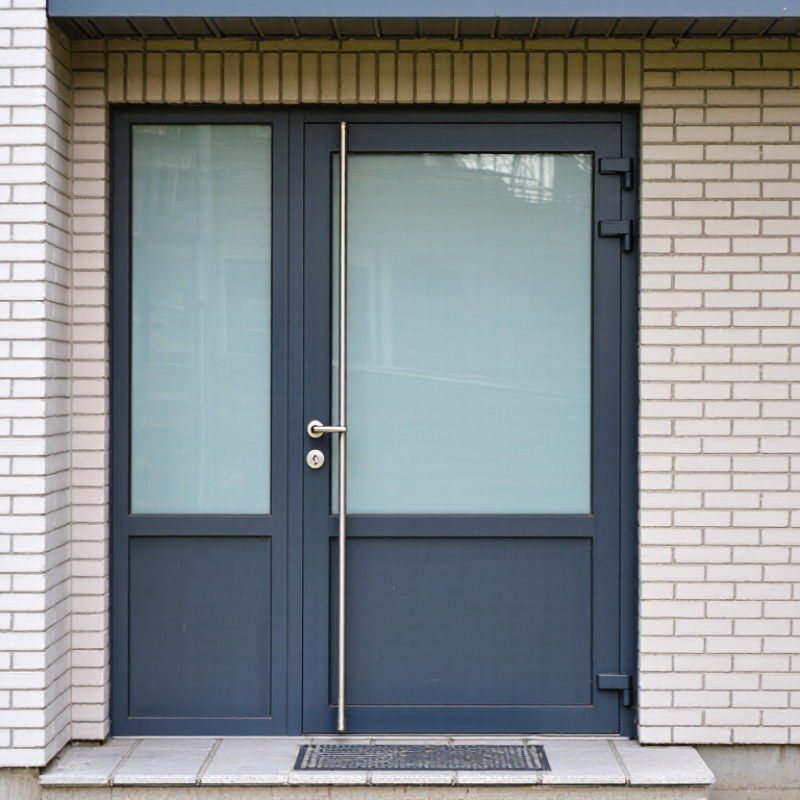
How to Choose the Best Aluminium Entry Door?

Define Entry-Door Needs by Climate, Exposure, and Daily Use

How to Choose the Best Aluminium Entry Door?

Define the door’s job before comparing finishes or hardware. Climate is the first filter. In coastal areas, salt-laden air accelerates corrosion around hinges, fasteners, and exposed cut edges. Salt air is unforgiving. Choose marine-grade protection, sealed joints, and stainless-steel hardware where appropriate. In cold regions, thermal breaks reduce heat transfer through the aluminium frame. The U.S. Department of Energy reports that air leakage can account for 25–40% of heating and cooling energy use. A poorly sealed entry door can therefore undermine otherwise efficient construction.

Exposure changes the specification. A west-facing door may receive intense afternoon sun, causing surface temperatures and material movement to rise. Deep overhangs, durable powder coatings, and UV-resistant seals can reduce stress. In wind-driven rain zones, check tested water penetration and air infiltration results, not just appearance. NFRC certification data helps buyers compare U-factor, solar heat gain coefficient, and air leakage performance. These values matter more than vague claims such as “high performance.”

Daily use deserves equal attention. A busy family entrance needs a rigid frame, adjustable hinges, replaceable weatherstripping, and a lockset tested for repeated operation. Measure the opening carefully. Twice. Consider muddy shoes, delivery traffic, pets, and emergency access before selecting a threshold height. ASHRAE Standard 169-2021 provides climate classifications, but local exposure can still differ sharply within one city. That is where product tables become imperfect. A shaded inland doorway and a sunlit coastal doorway should not receive the same specification.

Compare NFRC-Certified U-Factor Ratings for Thermal Performance

How to Choose the Best Aluminium Entry Door?

Compare NFRC-Certified U-Factor Ratings for Thermal Performance

An aluminium entry door can look slim, strong, and modern. However, its frame may conduct heat quickly without proper thermal separation. Check the NFRC-certified U-factor before judging appearance or price. A lower U-factor generally means better resistance to heat transfer. It can help keep winter warmth indoors and summer heat outside.

Read the rating for the complete door assembly, not only the glass panel. Certified results usually consider the frame, glazing, spacers, and edge conditions. This matters because a large glass area can perform differently from a solid panel. Look for the NFRC label and verify the listed dimensions match your chosen door. Small differences matter.

A thermal break inside the aluminium frame is essential. Ask how it connects around the threshold and lock area. These details often influence cold spots and condensation.

Installation also affects real performance. Even an excellent U-factor may disappoint when the frame is poorly aligned or the seal is compressed unevenly.

Do not chase the lowest number blindly. A door facing strong afternoon sun may need different glass than one under a covered porch. Local climate, exposure, and ventilation deserve attention. No rating predicts every home perfectly. That limitation is worth remembering. Compare U-factor alongside air leakage, solar heat gain, and installation instructions before making a decision.

Verify Frame Strength Against ASTM B221 Aluminum Extrusion Standards

A strong aluminium entry door starts with its frame, not its finish. Check the extrusion alloy, temper, and wall thickness before comparing styles.

ASTM B221/B221M specifies mechanical-property requirements for aluminium-alloy extruded bars, rods, profiles, and tubes. Its tables list 6063-T5 minimums near 21 ksi tensile strength and 16 ksi yield strength.

Confirm the current standard edition and the exact product form; values can vary by specification.

Numbers matter. But they are not the whole story.

A mill test report should identify the alloy and temper and show results traceable to the supplied extrusions. At the door, inspect the hinge-side jamb and lock-side stile, where loads concentrate.

Look for solid corner joints, continuous reinforcement, and secure anchorage into the rough opening. A strong profile can still flex if the frame is poorly joined or installed.

That is easy to miss. ASTM B221 addresses extrusion properties, not the performance of a complete installed door.

Ask the supplier for assembly-level test documentation, and compare it with the door’s size and hardware. A tiny sample profile can look reassuring; it may not represent the full frame.

Assess Coating Durability Using AAMA 2604 and 2605 Standards

How to Choose the Best Aluminium Entry Door? Start by examining its coating specification, not only its color or showroom shine. AAMA 2604 and AAMA 2605, now maintained through FGIA technical standards, measure exterior coating durability through accelerated weathering and South Florida exposure. AAMA 2604 represents five years of severe outdoor exposure. AAMA 2605 raises the benchmark to ten years. These periods are testing references, not guaranteed service lives.

That distinction matters. A door facing strong sunlight, coastal salt, or trapped moisture can age faster.

During site inspections, I look closely at corners, hinge edges, drainage paths, and cut ends. Thin coverage often appears there first.

Ask for the coating class, test results, film thickness, color-change data, and chalking ratings. Do not accept “premium finish” as technical evidence. Request documentation linked to the actual finish system.

AAMA 2605 is usually the stronger choice for exposed entrances, especially dark colors and harsh climates. Still, it is not magic. Installation quality, cleaning, ventilation, and water management remain important.

The U.S. Department of Energy reports that windows and doors can represent about 25% of household heating and cooling energy use, so the door assembly also needs proper weather seals and thermal design.

I would not choose a finish from a tiny sample alone. Large panels reveal gloss variation better. Local climate data should influence the decision, even when the specification looks impressive.

Match Hardware, Weatherstripping, and Installation to AAMA/WDMA/CSA A440 Performance Grades

Choosing an aluminium entry door starts with its AAMA/WDMA/CSA A440 performance grade, not its appearance alone. The grade helps indicate how a tested door assembly handles air leakage, water penetration, and wind pressure. Match the rating to the home’s exposure: a sheltered porch has different demands from a coastal wall facing driving rain. Check the product documentation for the tested configuration, including size, glazing, and operating style. Small changes can matter.

Hardware must support that assembly. Hinges should carry the door’s weight without sagging, while the lock and strike should pull the panel evenly against its seals. Weatherstripping needs continuous contact around the jamb and threshold, but excessive compression can make the door difficult to close. Run a hand around the closed frame. A cold draft near one corner may point to a gap, not a weak performance grade.

Installation is where a good rating can be lost. The frame should be square, plumb, and anchored as specified, with the sill properly sealed and drained. Use compatible flashing and sealant, and avoid blocking intended drainage paths. Even experienced crews can miss a detail; inspect the threshold and corners before interior trim hides them. Ask the installer how the finished opening will preserve the tested performance, especially where wall conditions differ from the test setup.

How to Choose the Best Aluminium Entry Door

AAMA/WDMA/CSA A440 Performance Grade classes set minimum design-pressure benchmarks. Match the tested door assembly—including hardware, weatherstripping, and installation—to the grade required for your project.

Benchmark values shown: R 720 Pa, LC 1,440 Pa, CW 1,920 Pa, and AW 1,920 Pa. Confirm the applicable standard edition, product size, and tested configuration with the manufacturer; a class alone does not guarantee suitability for every exposure.

FAQS

What should I consider before choosing an aluminium entry door?

Start with climate, exposure, and daily use. Salt air, strong afternoon sun, and frequent deliveries place different demands on a door.

How can I compare thermal performance?

Check the certified U-factor for the complete door assembly, not just its glass. A lower value generally indicates less heat transfer. Small details matter.

Why does a thermal break matter?

Aluminium can transfer heat quickly. A thermal break helps separate the frame’s inner and outer sections. Ask whether it continues around the threshold and lock area.

What should I check for a coastal doorway?

Salt-laden air can affect hinges, fasteners, and exposed cut edges. Look for suitable corrosion protection, sealed joints, and appropriate stainless-steel hardware.

How do sun and rain exposure affect the choice?

A west-facing door may become very hot in afternoon sun. Overhangs, durable coatings, and UV-resistant seals can help. For wind-driven rain, check tested water and air results.

How do I assess frame strength?

Ask for the extrusion alloy, temper, and wall thickness. A traceable test report can help verify the supplied material. ASTM B221 covers extrusion properties, not the complete installed door.

What frame details deserve a closer look?

Inspect the hinge-side jamb, lock-side stile, corner joints, and reinforcement. Secure anchorage matters too; a strong profile can still flex if poorly installed.

How should I plan for everyday use?

Measure the opening twice. Consider muddy shoes, pets, deliveries, threshold height, and emergency access. Adjustable hinges and replaceable weatherstripping may help with repeated use.

Is a rating enough to predict real performance?

No rating sees every doorway. Installation, shade, ventilation, and local exposure all matter. Product tables are useful, but they can miss conditions just outside the front step.

Conclusion

Choosing the right Aluminium Entry Door starts with understanding where it will be installed and how it will be used. Consider local climate, sun and rain exposure, traffic, and the level of insulation and security needed. Compare NFRC-certified U-factor ratings to evaluate how effectively the door limits heat transfer, taking the surrounding climate and the home’s overall energy goals into account.

Next, check that the aluminum frame is designed for strength and manufactured in accordance with applicable ASTM B221 extrusion requirements. Assess the finish by reviewing its suitability under AAMA 2604 or 2605, especially for prolonged exposure to sunlight and weather. Finally, consider the complete door system: hardware, weatherstripping, and professional installation all affect performance. AAMA/WDMA/CSA A440 performance grades can help you compare tested resistance to air and water infiltration, wind loads, and other demands. The best choice balances durability, thermal performance, appearance, and everyday practicality.

Evelyn

Evelyn

Evelyn is a highly skilled marketing professional dedicated to helping businesses understand how thoughtful strategy, reliable products, and meaningful customer experiences can work together to create lasting value. With a strong knowledge of our company’s solutions, she brings clarity, insight,......