A modern entrance should look composed from the street and work reliably through years of changing weather. An Aluminum Exterior Door can provide slim sightlines, a durable frame, and broad glazing options. But appearance is only part of the decision. Thermal breaks, weather seals, locking hardware, and careful installation shape comfort and performance. Small details matter.
Architect Ludwig Mies van der Rohe’s familiar design principle, “Less is more,” offers a useful lens for choosing a contemporary entryway. It is not a product specification. A clean, minimal door still needs thoughtful engineering behind its smooth surface. Look closely at frame depth, corner joints, glass configuration, and finish samples. A dark finish can sharpen a façade, while a pale wood-look interior softens the view indoors. In person, colors and textures may differ from online images.
This guide introduces ten aluminum exterior door options for modern homes, with attention to design, construction, and practical trade-offs. Some models favor expansive glass; others prioritize privacy, insulation, or simpler upkeep. No door is perfect. A striking glass panel may need more frequent cleaning, and a premium frame cannot compensate for poor fitting. Ask manufacturers for documented performance information, confirm dimensions with a qualified installer, and compare warranties before deciding. The right choice should suit the home’s climate, entry conditions, and daily use—not just the photograph.
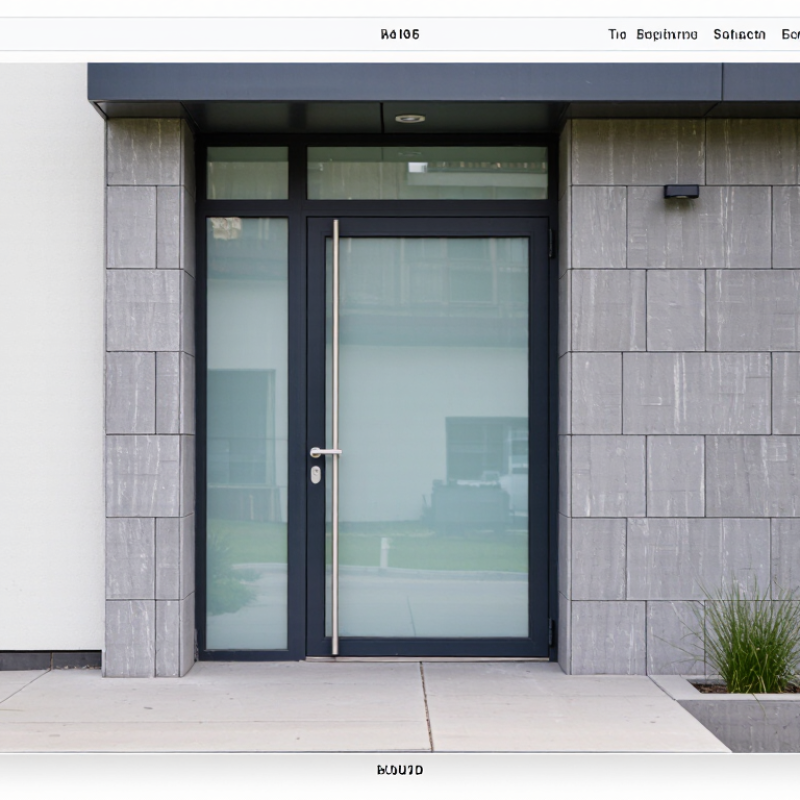
Key Features of Aluminum Exterior Doors for Modern Homes
For modern homes, aluminum exterior doors offer narrow frames, broad glass panels, and crisp sightlines. Slim lines matter. The metal is strong for its weight, but it conducts heat readily. Look for a continuous thermal break between the inner and outer frame, plus well-fitted weather seals and an insulated threshold. These details help limit drafts and cold interior surfaces. For glazed doors, check the whole-unit U-factor and solar heat gain coefficient on a National Fenestration Rating Council label; frame material alone does not predict comfort.
Glazing and installation deserve equal attention. The U.S. Department of Energy’s Energy Saver guidance estimates that windows account for about 25–30% of residential heating and cooling energy use. That figure is not specific to exterior doors, but it matters when a door has a large glass area. Low-emissivity glazing can help manage heat transfer, while laminated or tempered glass may suit different safety and design needs. Ask for documented performance ratings, drainage details, and finish guidance for your climate. I would not assume every aluminum door suits every home: coastal exposure, poor flashing, or a weak thermal break can undermine an otherwise elegant entrance.
10 Best Aluminum Exterior Doors for Modern Homes? - Key Features of Aluminum Exterior Doors for Modern Homes
| Door type | Key features | Thermal and weather considerations | Suitable for | What to check |
|---|---|---|---|---|
| 1. Insulated single-swing entry door | A simple hinged design with an insulated door panel and durable aluminum exterior finish. | An insulated core and a well-sealed frame can reduce heat transfer and drafts. Aluminum itself conducts heat, so a thermal break is an important frame feature in many climates. | Main entrances where a clean, contemporary appearance and a practical swing door are preferred. | Check the complete door’s tested energy rating, weather seals, threshold, and hardware—not just the panel material. |
| 2. Aluminum-and-glass pivot door | A large door panel rotates on pivot hardware, allowing a distinctive entrance and broad design options. | Large glazed areas can increase heat gain or heat loss. Suitable glazing, perimeter seals, and careful installation are especially important. | Modern homes with a spacious foyer and a statement-making front entrance. | Confirm the opening size, pivot capacity, safety-glazing requirements, security hardware, and weather-sealing details. |
| 3. Full-lite glazed entry door | A door with a large glass area that brings daylight into the entry; available with clear, textured, or privacy glass. | Insulating glass units can improve thermal performance compared with single glazing. Low-emissivity coatings and suitable glass specifications can help manage heat transfer. | Shaded or private entries where natural light is a priority. | Check glazing safety standards, privacy needs, climate-appropriate glass, and the door’s published performance ratings. |
| 4. Narrow-stile glass door | Slim visible frame sections create a minimal look while retaining a framed glass panel. | Performance depends on the frame, glazing, seals, and construction. A narrow frame does not by itself indicate better insulation. | Contemporary facades that favor clean lines and a bright entryway. | Compare tested air leakage, water resistance, structural performance, and security provisions for the complete unit. |
| 5. Double-swing French-style doors | Two hinged leaves create a wide opening; glass panels can connect interior spaces with a patio or garden. | The meeting point between the leaves needs effective weather seals and secure locking. Glazing choices influence thermal and solar performance. | Patio access and rooms where a wider opening is useful. | Check clear opening width, inactive-leaf bolts, multipoint locking options, drainage, and threshold accessibility. |
| 6. Multi-panel sliding patio door | One or more panels slide along tracks, saving swing space and providing broad views when open. | Track drainage, interlocking meeting rails, and properly adjusted seals help manage water and air infiltration. Large glass areas require suitable glazing for the climate. | Patios, decks, and rooms where a door swing would take up valuable floor space. | Review panel operation, track cleaning needs, drainage design, glass safety, and the unit’s tested ratings. |
| 7. Thermally broken aluminum door | An insulating barrier separates parts of the metal frame to reduce heat transfer through the frame. | A thermal break can improve frame insulation, but overall performance also depends on the panel, glass, seals, and installation. | Homes in climates with significant heating or cooling needs. | Look for published whole-door ratings and confirm that the frame’s thermal break is part of the tested configuration. |
| 8. Security-focused aluminum entry door | May combine a reinforced frame, secure hinges, a robust lock, and a solid or impact-resistant glazed panel. | Security features and energy performance are separate considerations; weather seals and insulation should be assessed independently. | Main entrances where stronger resistance to forced entry is a priority. | Check applicable security or impact-test documentation, lock compatibility, hinge protection, and the strength of the surrounding installation. |
| 9. Corrosion-resistant coated aluminum door | A factory-applied finish helps protect the aluminum surface and provides a range of exterior color options. | Aluminum does not rust like iron, but finishes and hardware can still be affected by moisture, salt, pollutants, and poor maintenance. | Coastal or exposed locations, provided the finish and hardware are suitable for the local environment. | Ask about finish testing, maintenance guidance, compatible hardware, and any coastal or corrosive-environment suitability information. |
| 10. Accessible low-threshold aluminum door | A reduced-height threshold can make passage easier for wheeled mobility devices, strollers, and people with limited mobility. | Low thresholds require careful water management. The sill, drainage, weather seals, and exterior landing must work together to limit water entry. | Accessible entrances and frequently used patio or garden doors. | Check local accessibility requirements, clear opening width, threshold details, drainage, and weather-performance ratings. |
Performance varies by door design, glazing, installation, and local climate. Compare published ratings for the complete door assembly and verify applicable local building requirements before choosing.
FAQS
Strong frames can support broad glass panels and slim sightlines. They create a clean, modern entry.
A full-lite door admits substantial light, which can brighten a shaded hallway. A narrow-vision-lite option allows less light but offers more privacy.
Choose one for a striking entrance, but plan its swing and hardware carefully. Check that nearby walls and furniture leave enough clearance.
Compare the complete assembly’s U-factor and solar heat gain coefficient. Glass alone does not show how the frame, threshold, and seals perform.
It can, especially when the frame lacks a thermal break or the threshold is poorly sealed. Check installation details, too.
Measure the opening at several points. The frame should be square, level, and anchored into sound framing. A sloped sill helps direct water outward.
The frame, lock, hinges, strike plate, and fasteners work as one assembly. Reinforced strike areas and fitted multipoint locks can make forced entry more difficult.
Each season, inspect seals, hinges, locks, and visible fasteners. Clear grit from the sill and keep drainage openings open. Use mild soap and water.
It may point to thermal bridging or high indoor humidity. Check ventilation before assuming the door has failed. Sometimes the cause is not obvious.
Conclusion
Choosing the right Aluminum Exterior Door can enhance a modern home’s appearance while improving comfort, security, and durability. Aluminum doors are valued for their clean lines, strength, and resistance to weather. When comparing options, consider frame quality, insulation, thermal performance, glazing, and weather seals. A durable, energy-efficient design should suit the local climate and the home’s needs, helping reduce drafts and maintain a comfortable interior.
The ten door options may vary in style and configuration, from simple hinged designs to wider glazed or sliding arrangements. Compare how each affects natural light, access, privacy, and available space. Before choosing, also consider professional installation, reliable locking hardware, and routine care. Keeping tracks clear, checking seals, and cleaning surfaces as recommended can help preserve performance and appearance over time.