[email protected] R&D Beijing · Factory Dongying, China
English
0%

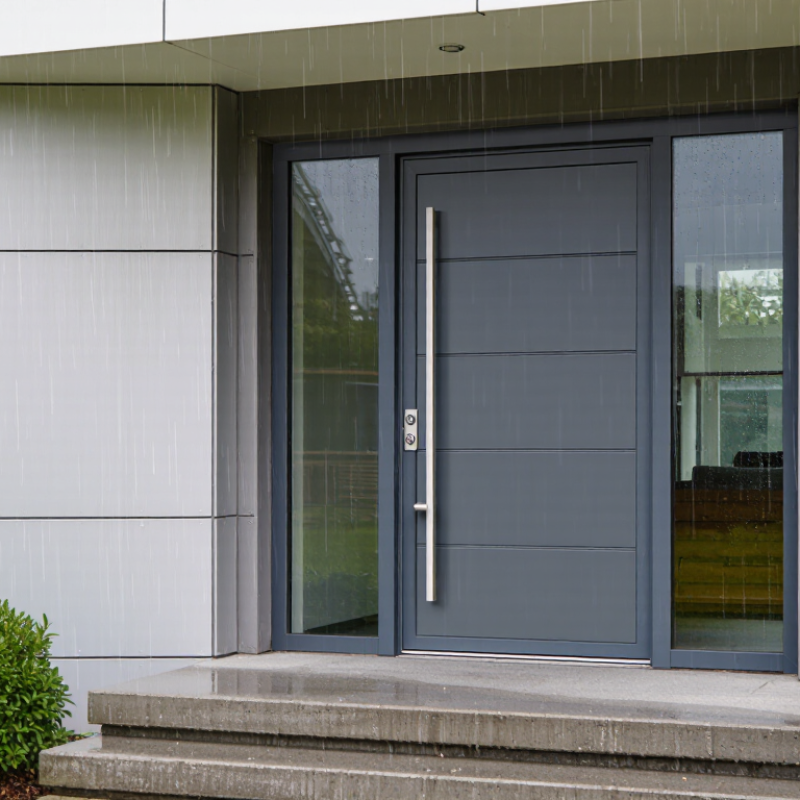
An Aluminum Entry Door is more than a sleek panel at the front of a house. It is a daily-use system that must handle weather, repeated opening, security hardware, and years of changing temperatures. The frame’s strength can support broad glass sections and clean, narrow sightlines. On a rainy morning, that means less visual bulk and a clear view through the sidelight. But appearance is only part of the decision. Installation, thermal breaks, weather seals, and glazing all affect how the door performs.

Fenestration consultant Mark Ellison sums up the choice this way: “A good aluminum entry door is only as dependable as its frame, seals, and installation.” Buyers should compare those details, not just finishes or showroom photos. Ask about insulated cores, drainage paths, hardware ratings, and the installer’s experience with the specific system. Small details matter.

There are trade-offs. Aluminum resists corrosion well when properly finished, yet scratches or poor coating repairs can remain visible. A thermally broken frame can reduce heat transfer, but it does not make every model equally energy efficient. Look for documented performance data and a warranty that explains coverage clearly. Then consider the home’s climate, entryway exposure, and maintenance routine. No door is magic. A careful comparison helps homeowners decide whether an Aluminum Entry Door fits their priorities—and where another material might serve them better.
What Is an Aluminum Entry Door and Why Choose It?

What Is an Aluminum Entry Door?

What Is an Aluminum Entry Door and Why Choose It?

What Is an Aluminum Entry Door?

An aluminum entry door is a hinged exterior door built with aluminum panels, frames, or both. Aluminum is light, rigid, and naturally resistant to rust. It suits homes, offices, and coastal properties where moisture can challenge steel components.

Modern designs often include a thermal break. This insulating barrier separates the inner and outer aluminum sections, reducing heat transfer. Weather seals around the frame also help block drafts, rain, and street noise. The National Fenestration Rating Council evaluates doors through measurable factors, including U-factor, air leakage, and visible transmittance. These ratings give buyers a clearer basis for comparison than appearance alone.

Performance still depends on installation.

A poorly aligned frame can leak air, even when the door has quality materials. The International Aluminium Institute reports that about 75% of all aluminum ever produced remains in use today, reflecting its durability and recyclability. However, recycling potential does not excuse careless manufacturing or weak insulation. The U.S. Department of Energy recommends checking the entire door assembly, including glazing, seals, and threshold. A slim aluminum frame may look elegant, but cold surfaces can appear indoors without a proper thermal break. That detail is easy to miss during a showroom visit.

What Is an Aluminum Entry Door and Why Choose It?

An aluminum entry door uses aluminum for its door frame, panels, or both. Aluminum is lightweight, corrosion-resistant, durable, and easy to shape into modern designs. Because aluminum conducts heat efficiently, energy-efficient doors typically use insulated cores and thermal breaks to reduce heat transfer.

The chart shows typical room-temperature thermal conductivity values for common door-frame materials. Lower conductivity generally indicates slower heat transfer. Actual door energy performance depends on the complete assembly, including insulation, glazing, seals, and thermal-break design.

How Is an Aluminum Entry Door Made?

An aluminum entry door begins with aluminum alloy billets, not a finished frame. The billets are heated and pushed through shaped dies. This extrusion process creates long profiles with precise internal channels. These channels may hold seals, fasteners, and thermal-break materials.

After cooling, the profiles are cut to measured lengths. Technicians join the corners by welding, crimping, or mechanical fasteners. Each method leaves different visual and structural results. A thermal break, often made from reinforced polymer, separates the exterior and interior aluminum surfaces. This reduces heat transfer through the frame, although it cannot eliminate it completely.

The frame is then cleaned and finished with a durable coating. Powder coating is commonly applied before controlled heating bonds the particles to the metal. Glass panels, weather seals, hinges, locks, and thresholds are installed afterward. Workers check alignment with gauges and open the door repeatedly to detect friction. Small errors matter. A slightly uneven threshold can affect drainage and make the door feel heavy. Coating thickness, corner joints, and seal compression also deserve inspection. In real production, perfection is difficult, so reliable manufacturers test samples for water resistance, air leakage, operation, and structural performance. Local climate and installation quality still influence the door’s long-term behavior.

What Types and Designs Are Available?

Aluminum entry doors come in more designs than many homeowners expect. A single hinged door suits compact entrances and narrow porches. Double doors create a wider, more formal opening for large foyers. Pivot doors rotate from a concealed point, producing a bold architectural effect. Sliding entry systems can work well where swing space is limited, although they need precise installation.

The panel style changes the door’s character. A flush panel offers a clean, modern appearance with fewer visual distractions. Narrow glass strips bring daylight into dark hallways without exposing the whole interior. Full-height glass creates a lighter entrance, but privacy and solar heat require careful planning.

Slatted or geometric aluminum panels add texture while keeping the exterior visually controlled. Custom shapes, including tall rectangles and gentle arches, can match older or highly designed buildings.

Material performance matters as much as appearance. Aluminum is strong and resists rust, but it transfers heat easily. A thermal break, insulated core, and suitable weather seals can improve indoor comfort. In practice, small details often decide the result. A poorly aligned threshold may allow drafts or water during heavy rain. I have seen attractive doors lose their appeal because the handle felt awkward or the opening was too narrow. Design drawings should show swing direction, glass placement, drainage, and hardware height. One detail is easy to miss: dark finishes may become very hot in direct afternoon sunlight. That choice deserves another look.

What Are the Benefits and Limitations?

An aluminum entry door uses extruded aluminum sections for its frame, often combined with insulated panels and glass. Its appeal is practical: aluminum resists rot, insects, and everyday moisture, while its rigid structure supports large panels and slim sightlines. It also needs little maintenance beyond cleaning and hardware checks. That matters in busy entrances.

The environmental case is credible, but not automatic. The International Aluminium Institute reports that recycled aluminum requires about 95% less energy than primary aluminum production. However, the result depends on recycled content, manufacturing, transport, and the door’s service life. Ask for documented material information. Marketing language can be vague.

Performance has limits. Aluminum transfers heat quickly. Without a thermal break, the interior frame may feel cold, and condensation can appear in humid weather. The U.S. Department of Energy estimates that windows can account for 25–30% of residential heating and cooling energy use; poorly insulated doors can add to similar comfort problems around the entrance. NFRC-rated U-factor and solar heat gain data provide more useful evidence than appearance alone. Aluminum can also dent under a hard impact, and premium insulated systems may cost more initially. The installation details matter greatly. A strong door can still underperform when seals are compressed unevenly or the threshold is poorly drained. That is easy to overlook.

What Is an Aluminum Entry Door and Why Choose It? — What Are the Benefits and Limitations?

Aspect Benefits Limitations and practical considerations
What it is An entry door made with an aluminum frame and panels, often paired with insulated glazing, seals, and door hardware. Construction varies: some doors use aluminum mainly for the frame, while others have larger aluminum panel areas. Compare the complete door assembly, not just the material.
Strength and weight Aluminum is relatively lightweight for its strength, which can make large door designs easier to operate and support. Performance depends on the frame design, panel construction, hinges, and installation. Lightweight construction alone does not guarantee security or rigidity.
Weather resistance Aluminum does not rot, and it is generally resistant to moisture-related damage when properly finished and maintained. Protective finishes can be scratched or damaged. In coastal or other corrosive environments, choose a finish and hardware suitable for the exposure and follow care guidance.
Maintenance Unlike wood, aluminum does not need periodic painting to prevent rot. Routine cleaning and inspection of seals and hardware are usually part of care. Cleaning does not prevent every issue: seals can wear, hardware may need adjustment, and damaged coatings should be addressed according to the manufacturer’s instructions.
Thermal performance Thermal breaks—insulating barriers between interior and exterior parts of the frame—can reduce heat transfer through an aluminum frame. Aluminum conducts heat readily. A door without an effective thermal break may transfer more heat, so check the rated performance of the complete door, including glazing and seals.
Energy efficiency A well-designed door with suitable glazing, weatherstripping, and a properly fitted frame can help limit drafts and heat loss. Energy performance is not determined by frame material alone. Ratings, glass type, installation quality, and the condition of the weather seals all matter.
Appearance and design Aluminum can be finished in a range of colors and supports slim-frame designs that allow more glass in some door styles. Color, texture, and design options depend on the available finish and door system. Scratches or dents may be noticeable and can be difficult to repair invisibly.
Durability and impact Aluminum is not susceptible to insect damage or wood rot, and a sound finish helps protect the surface during normal use. Aluminum panels and frames can dent under impact. Durability depends on material thickness, construction, finish quality, and how the door is used.
Security A properly designed door can accommodate secure locks and reinforced hardware. Security depends on the complete system, including the lock, frame, hinges, glazing, and installation. Look for appropriate security features rather than relying on the material alone.
Environmental considerations Aluminum is recyclable, and recycling can reduce the need for primary aluminum production. Environmental impact varies with the aluminum’s source, recycled content, manufacturing, transport, and the door’s service life. Local recycling options also vary.
Cost and value Long service life and modest routine maintenance may make an aluminum door a practical option for some homes. Prices vary by size, design, glazing, finish, thermal-break construction, hardware, and installation. Compare like-for-like specifications and total installed cost.
Best suited for Aluminum can suit homeowners seeking a modern appearance, low routine maintenance, or a lightweight frame for a larger opening. It may be less suitable when maximum insulation is the main priority and a thermally improved model is unavailable, or where dents and surface scratches are a concern.

How Do You Choose and Maintain an Aluminum Entry Door?

Choosing an aluminum entry door starts with your home’s climate, security needs, and daily traffic. Aluminum is lightweight, corrosion-resistant, and usually requires less upkeep than wood. However, not every aluminum door performs equally well. Look for a thermally broken frame if winters are cold or summers are intense. This feature reduces heat transfer through the metal. Check the door’s thickness, hinge quality, lock strength, and weather seals. Double glazing can also improve comfort and reduce outside noise. A professional installer should measure the opening carefully. Even a high-quality door can leak air when installed poorly.

Think about the finish before choosing a color. Powder-coated surfaces generally resist fading and peeling, but harsh coastal air still deserves attention. Ask whether replacement seals and hardware are readily available. That detail is easy to overlook. I once focused too much on appearance and ignored the sill design. Rainwater later collected near the threshold. A better choice includes a sloped sill, clear drainage paths, and a reliable compression seal.

Maintenance is simple but should be regular. Wipe the frame with warm water and mild soap every few months. Avoid abrasive pads, strong solvents, and pressure washing around the seals. Inspect hinges, locks, and weatherstripping twice a year. Tighten loose screws carefully, without stripping them. Keep drainage holes free of dust and leaves. Small scratches should be repaired early because exposed metal may stain over time. If the door begins rubbing, do not force it. Seasonal movement, loose hinges, or a settling frame may be responsible. A qualified technician can identify the cause before it becomes an expensive repair.

FAQS

What are the main benefits of an aluminum entry door?

Aluminum resists rot, insects, and everyday moisture. It supports large glass panels and slim frame lines. Maintenance is usually simple.

Is aluminum environmentally friendly?

It can be, especially when recycled content is documented. Recycled aluminum uses much less production energy. Transport and service life still matter. Marketing claims need checking.

Can an aluminum door improve home comfort?

Yes, when it has a thermal break and suitable insulated glass. These features reduce heat transfer and cold interior surfaces. Without them, condensation may appear.

What should I check before buying one?

Check the frame thickness, hinge quality, lock strength, and weather seals. Look for tested insulation data, not appearance alone. A professional should measure the opening carefully.

Is an aluminum entry door suitable for rainy areas?

It can work well with a sloped sill and clear drainage paths. Compression seals should fit evenly. Poor drainage may leave rainwater near the threshold.

How often does an aluminum entry door need maintenance?

Clean the frame with warm water and mild soap every few months. Inspect hinges, locks, seals, and drainage holes twice yearly. Avoid abrasive pads and strong solvents.

What problems can develop over time?

Hard impacts can dent the aluminum. Loose hinges may cause rubbing or uneven gaps. Dirt-filled drainage holes can also trap water. Small issues grow.

Does installation affect performance?

Very much. Uneven seals can cause air leaks, even with a strong door. A poorly fitted threshold may reduce comfort and allow water entry. I might focus too much on the door itself and overlook installation.

What should I do if the door starts rubbing?

Do not force it. Check for loose hinges, seasonal movement, or a settling frame. A qualified technician can find the cause before repairs become expensive. Details matter.

Conclusion

An Aluminum Entry Door is a durable and modern entrance solution made primarily from lightweight aluminum profiles, insulated panels, glass, hardware, and protective surface finishes. Its manufacturing process typically includes cutting and shaping aluminum sections, assembling the frame, adding insulation and glazing, and applying a coating designed to improve color stability and resistance to weather. Available in many styles, these doors can feature minimalist panels, decorative glass, various colors, different finishes, and single or double-door configurations to suit both contemporary and traditional buildings.

The main advantages of an Aluminum Entry Door include strength, low maintenance, corrosion resistance, design flexibility, and reliable performance in changing weather conditions. Aluminum is also lighter than many other structural materials, making installation and daily operation more convenient. However, its cost, thermal performance, and potential for surface scratches should be carefully considered. When choosing a door, homeowners should evaluate size, insulation, security hardware, glazing, finish quality, and installation requirements. Regular cleaning, checking seals and hinges, and repairing minor surface damage can help maintain its appearance and performance for many years.

Evelyn

Evelyn

Evelyn is a highly skilled marketing professional dedicated to helping businesses understand how thoughtful strategy, reliable products, and meaningful customer experiences can work together to create lasting value. With a strong knowledge of our company’s solutions, she brings clarity, insight,......